verb: flâner
Meanings
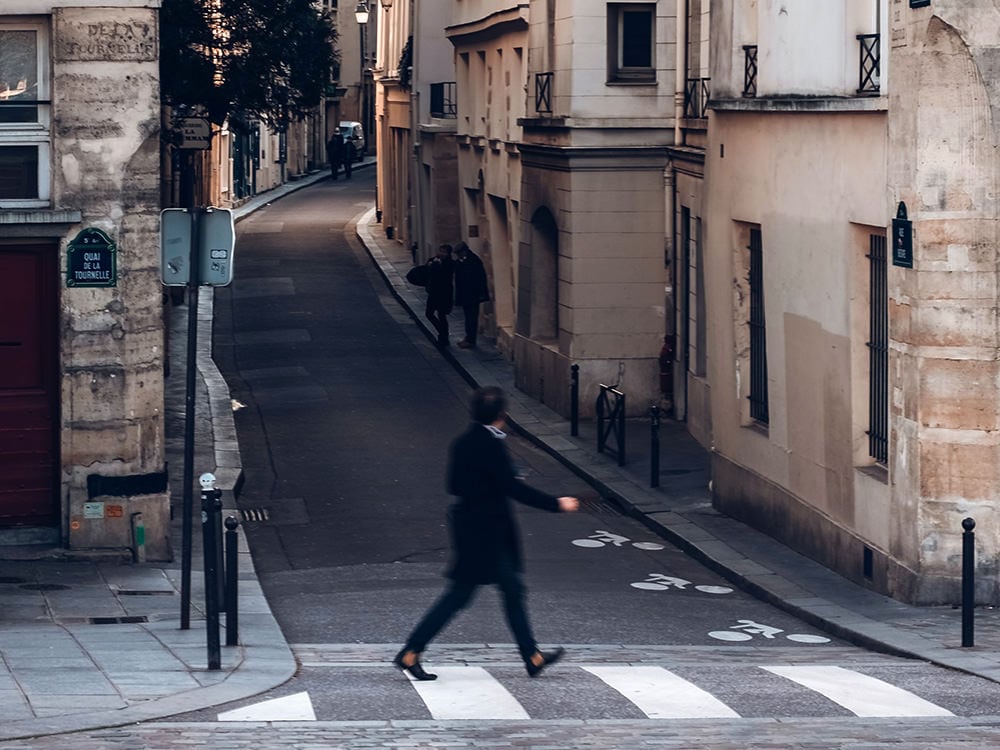
1. Strolling with Purpose: At its core, “flâner” means to stroll or wander aimlessly, usually in urban environments. However, this wandering is far from mindless. It involves observing and absorbing the surroundings, often with a sense of curiosity and openness. It’s a gentle meandering that allows one to connect with the city’s rhythm, architecture, and people.
2. Cultivating Boredom: Flâner goes beyond mere observation; it embraces the notion of being comfortably bored. It’s about allowing oneself to slow down and detach from the frantic pace of modern life, inviting a deeper connection with the world around.
3. Philosophical Contemplation: This leisurely wandering also has philosophical undertones. Thinkers like Charles Baudelaire and Walter Benjamin associated flânerie with the act of engaging in profound thought and reflection while wandering through city streets.
4. Embracing Serendipity: Flâner is also about embracing the unexpected. It involves surrendering to chance encounters, stumbling upon hidden gems, and letting the city reveal its secrets in its own time.
Conjugating “Flâner” in Present Tense and Passé Composé
Present Tense:
- Je flâne (I stroll)
- Tu flânes (You stroll)
- Il/elle flâne (He/she strolls)
- Nous flânons (We stroll)
- Vous flânez (You all stroll)
- Ils/elles flânent (They stroll)
Passé Composé:
The passé composé is formed with the auxiliary verb “avoir” and the past participle “flâné.”
- J’ai flâné (I strolled)
- Tu as flâné (You strolled)
- Il/elle a flâné (He/she strolled)
- Nous avons flâné (We strolled)
- Vous avez flâné (You all strolled)
- Ils/elles ont flâné (They strolled)
Etymology
The verb “flâner” dates back to the 16th century. It comes from the Old Norse word “flana,” meaning “to wander about.” This term later evolved into the Middle French “flâner,” with the sense of casual wandering that we recognize today.
Idiomatic Expressions that use “Flâner”
1. Flâner en amoureux: To stroll as lovers.
2. Flâner en solo: To wander alone.
3. Flâner dans les rues: To wander the streets.
4. Flâner au hasard: To wander at random.
5. Flânerie intellectuelle: Intellectual wandering.