beginner

  • I can’t believe it

    The English phrase “I can’t believe it” can be expressed in French in several ways depending on the context. Some translations are direct, while others are idiomatic. Je n’arrive pas à y croire This is one of the most common translations. It conveys the idea of struggling to accept or grasp something. Examples: Je ne…


  • beaucoup de monde

    The French word monde means “world” but is frequently used to mean “people.” When combined with certain expressions, it refers to crowds, gatherings, or simply “a lot of people.” The two most common expressions are beaucoup de monde and du monde. They both indicate the presence of many people, but they differ slightly in register…

  • half-half

    The English phrase “half-half” or “half and half” can refer to an equal division, a mixture of two things, or a situation where something is shared equally. In French, several expressions can be used, depending on the meaning. Moitié-moitié “Moitié-moitié” is the most common way to say “half and half” in French. It is used…

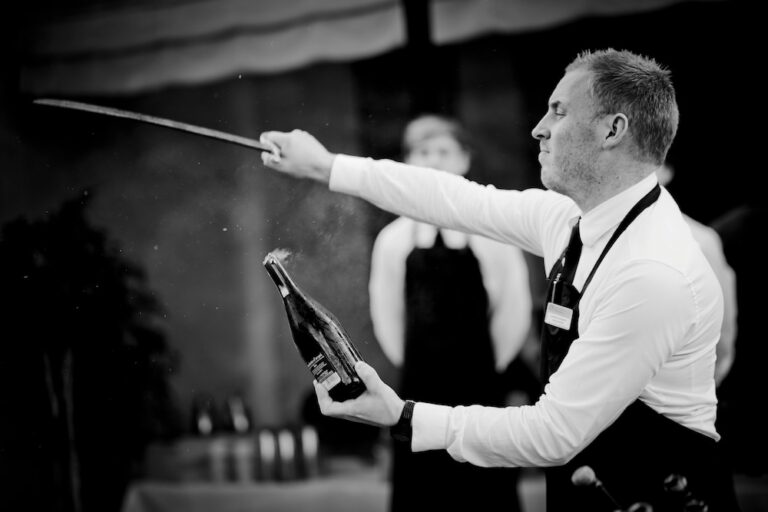
  • sabrage

    Sabrage is the French tradition of opening a bottle of champagne with a sword. Instead of gently removing the cork by hand, the neck of the bottle is struck with the blunt edge of a saber (ie, its back edge) so that the cork and collar of glass break away together. The rest of the…

  • cheval, chevaux

    In modern French, most nouns and adjectives ending in -al form their plural in -aux. This pattern is highly productive and applies to a large majority of common words. There are, however, a small number of well established exceptions, mainly nouns, and a very limited set of adjectives that take a regular -s plural instead….

  • clean (adjective)

    The English adjective “clean” has several possible meanings. In French, different adjectives are used depending on the context. The most common are “propre,” “net,” “pur,” and “nettoyer” used adjectivally in participle form. Propre “Propre” is the most common translation of “clean.” It is used for physical cleanliness, such as a clean room, clothes, or hands….

  • to raise

    The English verb “to raise” can mean many different things depending on the context. In French, several verbs are used, including “élever,” “lever,” “augmenter,” “soulever,” and “susciter.” Élever “Élever” is most often used when speaking of raising children or animals. It can also be used for raising plants or even abstract things like the level…

  • to grow

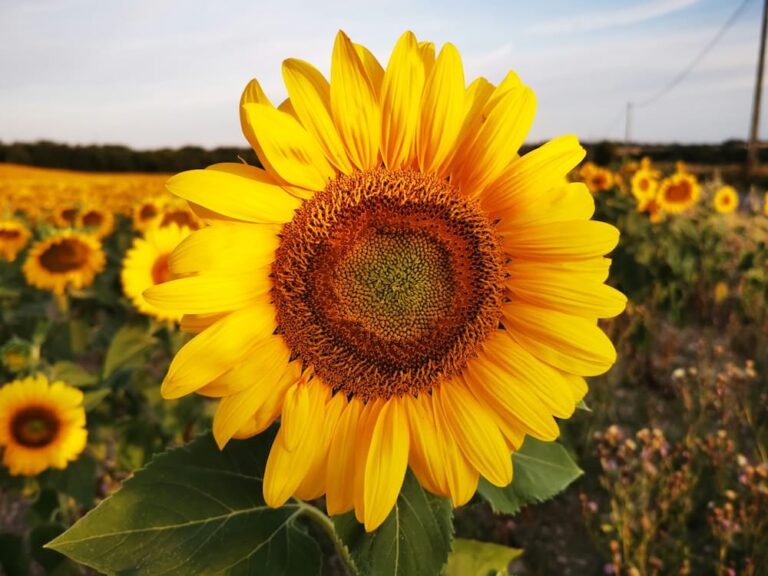
    The English verb “to grow” covers many different meanings. In French, however, several different verbs are used depending on the context. The most common ones are “grandir,” “croître,” “pousser,” “cultiver,” and “faire pousser.” Each is used in different situations. Grandir “Grandir” usually refers to a person, an animal, or sometimes an abstract idea becoming bigger,…

  • pas vrai ?

    The French expressions pas vrai and c’est pas vrai are common in everyday speech. They are both used to express surprise, disbelief or doubt. While they literally mean “not true” or “it’s not true,” they are often better translated as “no way,” “really?” or “you’re kidding.” These phrases are informal and frequently heard in spoken…