Author: Fast French

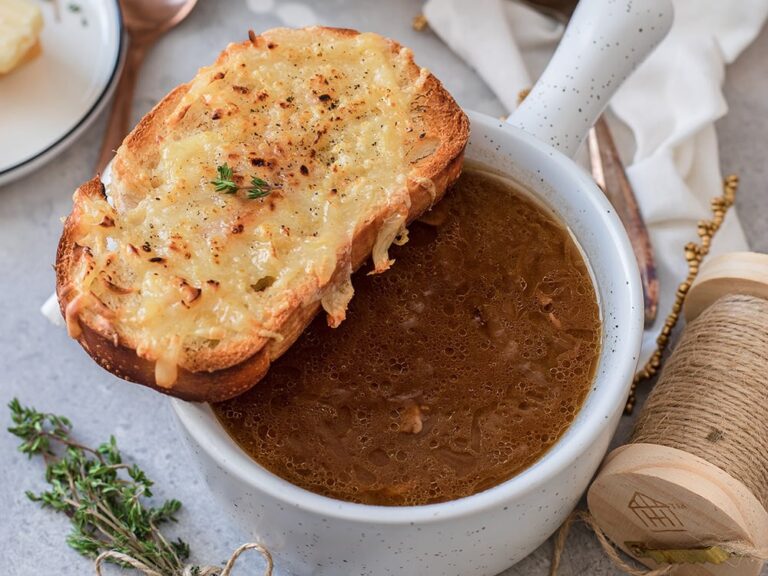
  • se taper la cloche

    The word “cloche” means “bell,” but in French slang, it means “head” or sometimes “idiot.” In the middle of the 19th century, this saying meant to get drunk. But by 1900, it had changed to its present meaning, which is to have a good meal, to banquet, to gorge oneself, to thoroughly enjoy (food &…

  • levée de boucliers

    The French expression “levée de boucliers” literally means a raising of the shields. It dates back to ancient Roman times, when soldiers who opposed the wishes of their generals would raise their shields above their heads as a demonstration of their disapproval. Since the middle of the 15th century, this saying has come to mean…

  • passer l’éponge

    Passer l’éponge means literally to pass the sponge, but in slightly better English it would be to wipe the sponge. The English saying it most closely resembles would be “to wipe the slate clean.” It means to restart from zero, to forgive, or to forget disagreeable acts. The expression dates back to the start of…

  • appel du pied

    An “appel du pied” literally means a “call of the foot” but actually means a discrete invitation, a seduction attempt, an allusive proposal or simply an invitation. Its origin is unknown. There is a related term that exists in the world of fencing with swords, but it doesn’t seem to be linked to this usage….

  • à bâtons rompus

    This phrase means “without continuity,” “with frequent interruptions,” “in a disordered fashion,” “informal,” or “in an irregular way.” The origins of this French expression are shrouded in mystery. Some believe it comes from a traditional tapestry design that contained an irregular mix of sticks or long, thin rectangular shapes. It is more likely that this…

  • Faire tintin

    “Faire tintin” means to be frustrated or deprived, to receive nothing when you were expecting something. Despite the illustration above, this saying has nothing to do with the comic book character Tintin. He was created in 1929, but the word “tintin” dates back to the 13th century. It originally referred to the noise of objects…

  • Parler français comme une vache espagnole

    “Parler français comme une vache espagnole” means to speak French with difficulty, to speak French very badly, or just to speak any language badly. But it literally means “to speak French like a Spanish cow!” How did this phrase, which is insulting to both Spaniards and to cows, come about? The saying dates back to…

  • Boire en Suisse

    “Boire en Suisse” means to drink alone, to eat alone, to do something without inviting friends or even to do something in Switzerland. Literally it means to drink in Switzerland, but “en Suisse” can either mean “in Switzerland” or “like a Swiss person.” It comes from an expression dating back to around 1800. This was…