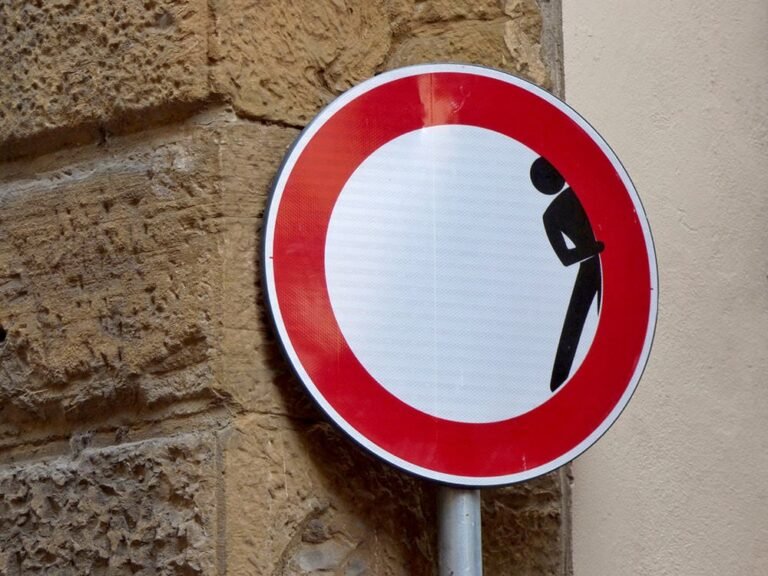
beau comme un camion

The literal translation of “beau comme un camion” is “beautiful as a truck.” On the surface, this phrase appears to be an ironic or humorous comparison. After all, trucks are not typically associated with beauty. Instead, they are functional vehicles designed for transporting goods.

This expression is used to describe a person, typically a woman, who is exceptionally attractive. In this context, the word “camion” (truck) is employed ironically to emphasize the subject’s beauty. The irony stems from the stark contrast between the rough, utilitarian image of a truck and the idea of someone being strikingly beautiful.

The origin of “beau comme un camion” is not precisely documented, but it likely emerged in colloquial French during the 20th century.

English equivalents of “beau comme un camion” include “drop-dead gorgeous” and “as pretty as a picture.”


Don’t miss new articles!

Get 1 email a week with new articles about French

We don’t spam! Read more in our privacy policy

Similar Posts

  • fois, foi and foie

    What are the differences between the three French homonyms (words that sound the same, in this case) la fois, la foi and le foie? These three words are pronounced identically, but have quite different meanings. La fois La fois means “the time.” It always ends in the letter “s,” even when it is singular. Despite…

  • faire en sorte que

    “Faire en sorte que” is a versatile French expression that often challenges language learners because it doesn’t have a direct word-for-word translation in English. Literal Translation The expression breaks down as: So literally, it means “to make in such a way that” or “to do in such a manner that.” Figurative Translations In practical usage,…

  • Blanchir de l’argent

    “Blanchir de l’argent” is a French expression meaning “to launder money.” Literally it means to whiten or to whitewash money, but in English you would say to launder. Just like the English expression, “blanchir de l’argent” means to give illegally gained money a valid, legal existence by hiding its criminal origins. This is done in…

  • la mouche du coche

    “La mouche du coche” is a French saying that literally translates as “the fly of the coach.” It means someone who is useless but imagines they are not, or someone who becomes agitated without providing any real help, or a know-it-all. This expression is usually preceded by the verb “faire” (to make, to do) or…

  • après & avant

    The French word “après” can function either as a preposition or as an adverb. It means “after” or “afterwards.” It is used before a noun, such as “après la pluie” (after the rain), or “après la guerre” (after the war). When it is used before a phrase containing a verb, the word “que” is added…