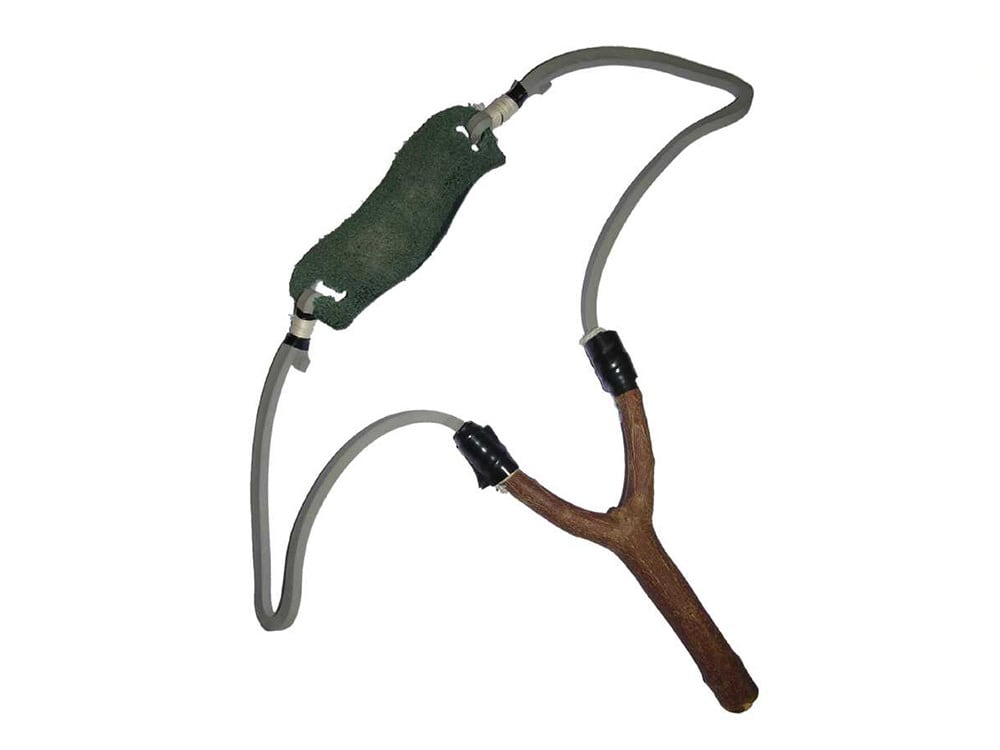
payer au lance-pierres

The French expression “payer au lance-pierres” translates literally as “to pay with a slingshot,” but it means “to underpay.”

The saying dates to the end of the 19th century, when slingshots made from rubber become more popular, thanks to improvements in rubber chemistry.

The expression originally came from another saying “avec un lance-pierres,” which translated literally to “with a slingshot.” That meant “rapidly and approximately,” because the idea was that a slingshot could shoot stones quickly but not very accurately (or not as accurately as a rifle, anyway).

This developed into a slightly different and new meaning of “rapidly and insufficiently.” Eventually, the “rapid” part disappeared and all that was left was the idea of “insufficiency.”

Similar English idioms include “to pay peanuts,” or “to pay two cents on the dollar.”

Don’t miss new articles!

Get 1 email a week with new articles about French

We don’t spam! Read more in our privacy policy

Similar Posts

  • avoir lieu

    Understanding the French Expression “Avoir lieu” “Avoir lieu” is a common French expression that literally translates to “to have place” but is used in everyday language to mean “to take place” or “to happen”. Literal Meaning If you break down the expression: However, it’s important to note that “avoir lieu” does not mean “to have…

  • Occupe-toi de tes oignons

    Literally this expression means “occupy yourself with your onions.” But it translates into English as “Mind your own business.” It is sometimes abbreviated to “c’est pas tes oignons” or simply “pas tes oignons” (none of your business, or “not your onions”). One theory as to the origin of this expression comes from the word “l’oigne,” which…

  • verb: râler

    Meaning The primary meaning of the French verb “râler” is “to grumble” or “to complain.” It is used to express dissatisfaction, annoyance, or frustration, often in a vocal or audible manner. However, “râler” can take on several additional meanings depending on the context: Conjugation “Râler” belongs to the group of regular “-er” verbs, and its…