mettre les pouces

“Mettre les pouces” is a French idiom that literally means “to put the thumbs.” What it really means is to stop resisting, to give in, to admit defeat or to abandon something.

It dates from the end of the 18th century. In that same era, a similar expression “coucher les pouces” (to put the thumbs to bed, or to rest the thumbs) also existed.

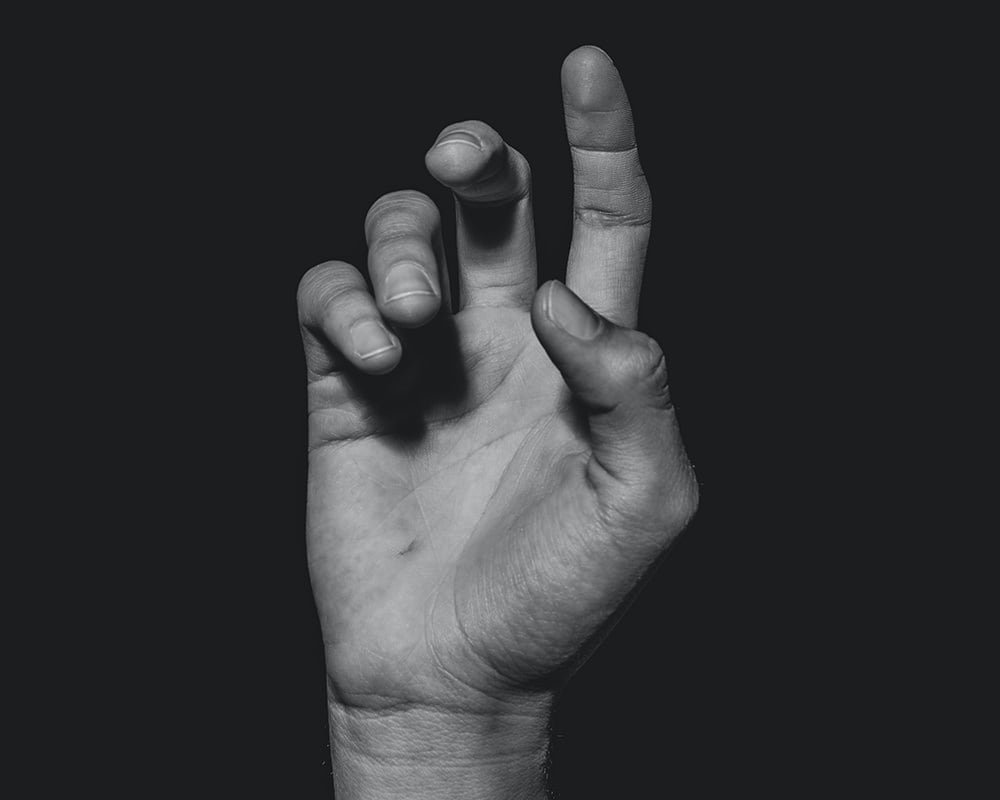
The exact origin of this phrase is unknown, but there are three theories. One is that it comes from ancient Rome, when the spectators of a gladiatorial event would raise or lower their thumbs to indicate whether they wanted a victorious gladiator to spare or take the life of the vanquished fighter.

Another theory is that when someone puts down a weapon, only then can the fighter’s thumb come to rest.

The third theory is that this saying comes from the use of thumb cuffs (poucettes), used to imprison the thumbs of a prisoner (rather than his wrists, which is what handcuffs do). Once the prisoner had been made to “mettres les pouces,” he was incapable of any further resistance to his jailers.

Equivalent English sayings include “to throw in the towel” or “to give in.”

Don’t miss new articles!

Get 1 email a week with new articles about French

We don’t spam! Read more in our privacy policy

Similar Posts

  • la mouche du coche

    “La mouche du coche” is a French saying that literally translates as “the fly of the coach.” It means someone who is useless but imagines they are not, or someone who becomes agitated without providing any real help, or a know-it-all. This expression is usually preceded by the verb “faire” (to make, to do) or…

  • verb: toucher

    The French verb “toucher” has a few different meanings. Not all of them are obvious. It can mean “to touch,” “to hit,” “to affect,” “to be next to,” “to get,” “to receive,” or “to win.” “Le toucher” is also a masculine noun meaning “the touch” or “the sense of touch.” to touch to hit to…

  • fois, foi and foie

    What are the differences between the three French homonyms (words that sound the same, in this case) la fois, la foi and le foie? These three words are pronounced identically, but have quite different meanings. La fois La fois means “the time.” It always ends in the letter “s,” even when it is singular. Despite…

  • détendre

    The French Verb “Détendre”: Unraveling Layers of Relaxation The French verb “détendre” means “to relax,” “to loosen,” “to untighten,” “to release” or even “to entertain.” It also has a reflexive version, “se détendre,” which also means “to relax” or “to slacken.” Etymology:“Détendre” comes from the Latin words, “de” (down from) and “tendere” (to stretch). Usage:…

  • revenir

    The French verb “revenir” has several meanings and uses. It basically means “to come back,” since it is based on the verb “venir,” meaning “to come.” Here are some of the primary meanings:

  • se taper la cloche

    The word “cloche” means “bell,” but in French slang, it means “head” or sometimes “idiot.” In the middle of the 19th century, this saying meant to get drunk. But by 1900, it had changed to its present meaning, which is to have a good meal, to banquet, to gorge oneself, to thoroughly enjoy (food &…