l’alpha et l’oméga

The French idiom “l’alpha et l’oméga” translates literally as “the alpha and the omega.” What it really means is the start and end of something, or something in its totality, or just the totality.

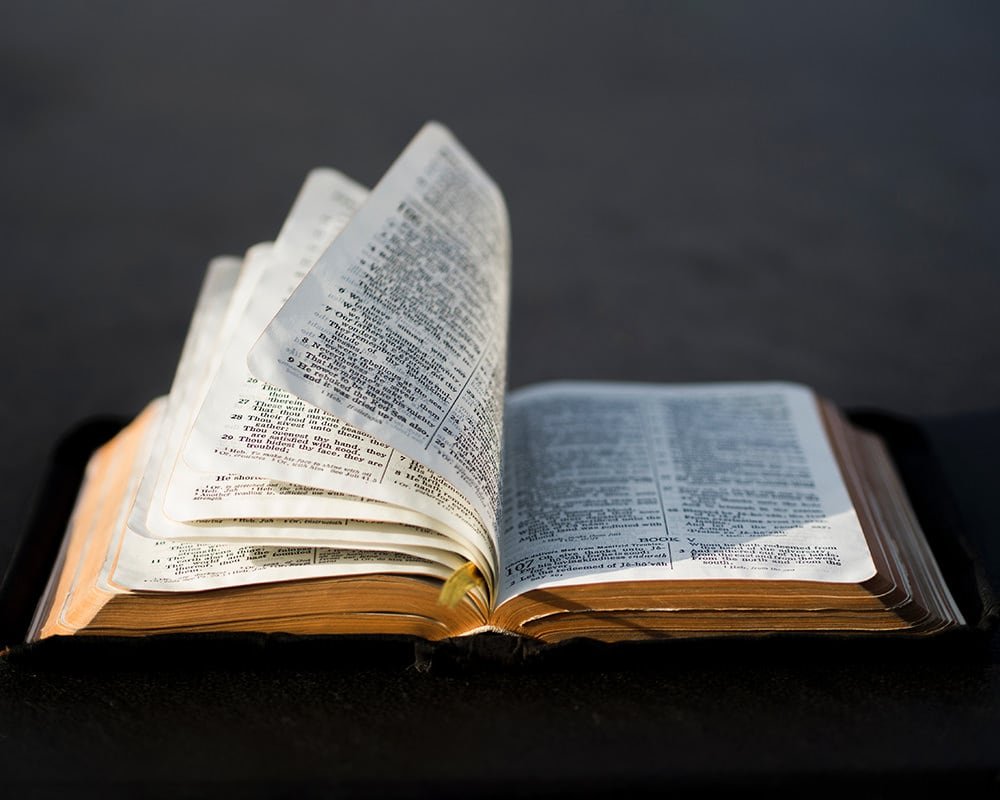
Its origin is the Bible. In the book of Isaiah, God says “I am the first and the last.” This means God was there at the start of everything and will still be there at the end of everything.

Jesus too, in the New Testament, describes himself as “the Alpha and the Omega.” Alpha is the first letter of the Greek alphabet and Omega is the last one. This comes from the habit of Jewish scholars of referring to the first and last letters of the Hebrew alphabet when they wanted to talk about something in its totality.

This is a very old expression that was used in its original forms over 2000 years ago.

Its English equivalent is “the Alpha and the Omega,” just like the French version. Another similar English expression is “the be-all and the end-all.”


Don’t miss new articles!

Get 1 email a week with new articles about French

We don’t spam! Read more in our privacy policy

Similar Posts

  • guérir

    The French verb “guérir” means “to heal,” “to cure,” “to recover” or “to cure oneself.” It can be used in three different ways: transitively, intransitively and reflexively. Let’s see what that means below. Transitive Used transitively, “guérir” means “to cure” someone of something. Transitive means that the verb “guérir” will have a direct object, which…

  • Verb: se souvenir de

    “Se souvenir de” is the French verb meaning “to remember.” It is a reflexive verb and is always followed by “de,” or preceded by its equivalent “en.” Usage examples of “se souvenir de”: Using “En” to Replace “It” or “Them”: In French, the pronoun “en” is often employed with “se souvenir de” to replace previously…

  • avoir la dent dure

    French is full of colorful expressions that don’t always have obvious meanings at first glance. One such expression is “avoir la dent dure”, which literally translates to “to have a hard tooth.” Its figurative meaning, however, is quite different. Meaning and Origin of the Expression The expression “avoir la dent dure” is used to describe…

  • Colours

    Colours in French are adjectives. They are placed after the noun they describe. So a blue sky is “un ciel bleu.” They must also agree in number and gender with the noun they describe. So “purple flowers” would be “des fleurs violettes.” Colour Masculine Feminine black noir noire white blanc blanche red rouge rouge blue…