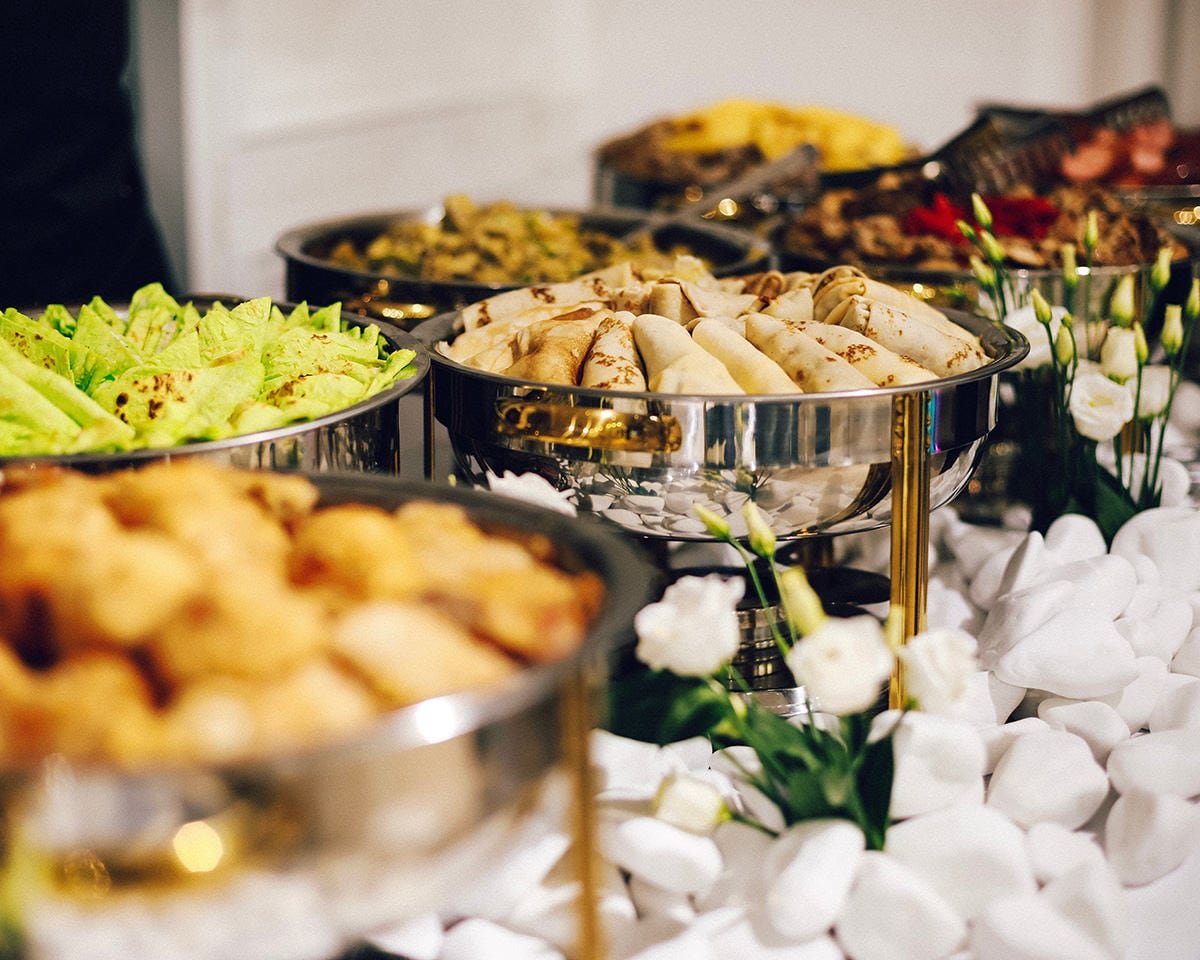
danser devant le buffet

The French idiom “danser devant le buffet” means to have no food or to have nothing to eat. Literally, it translates as “to dance in front of the sideboard.” This expression comes from a play on words dating back to the end of the 18th century. From the 16th to the 18th century, the verb “fringaler” mean “to dance.” Fringaler was a combination of “fringuer” which is mean to jump and of “galer” which mean to rejoice. And “la fringale” is a slangy expression meaning “hunger.” So the combination of “fringuer” and “galer” made “frangaler,” which was a pun based on “la fringale,” the hunger. Hence the idea of dancing before an empty buffet came to mean hunger in general.


Don’t miss out on new posts – subscribe now!

Don’t miss new articles!

Get 1 email a week with new articles about French

We don’t spam! Read more in our privacy policy

Similar Posts

  • un coup

    The French noun “un coup” is versatile and widely used in various contexts. It can mean “a blow” or “a stroke,” but its meanings extend far beyond these basic definitions. Basic Meanings Idiomatic Expressions “Un coup” appears in many idiomatic expressions, each with its own unique meaning. Here are some common ones:

  • faire en sorte que

    “Faire en sorte que” is a versatile French expression that often challenges language learners because it doesn’t have a direct word-for-word translation in English. Literal Translation The expression breaks down as: So literally, it means “to make in such a way that” or “to do in such a manner that.” Figurative Translations In practical usage,…

  • prévenir

    The French verb “prévenir” means “to prevent” or “to warn.” It also means “to let [someone] know,” “to avert,” “to advise,” “to inform,” “to guard against,” “to notify” and “to forewarn.” Examples Etymology The word “prévenir” comes from the Latin verb “praeventire,” composed of “prae” (before) and “eventire” (to come).