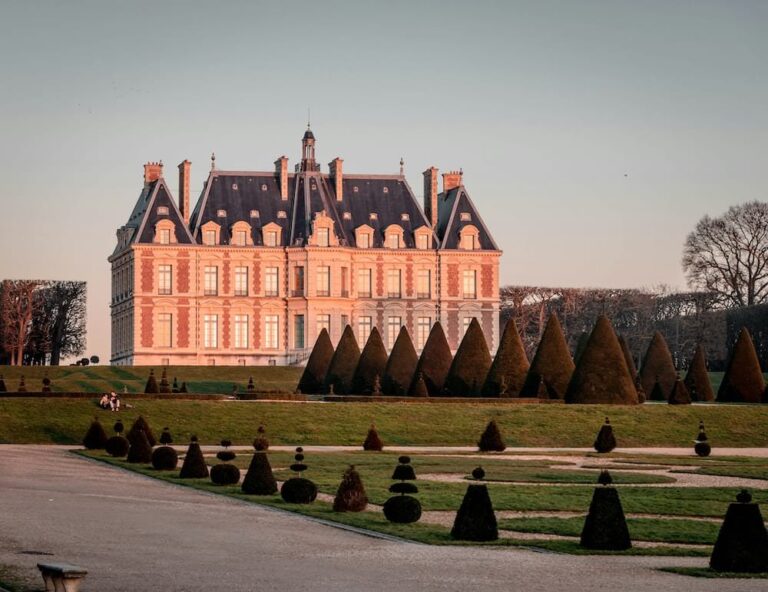
le repos du guerrier

The French saying “le repos du guerrier” translates literally to mean “the rest of the warrior.” Figuratively, however, it refers to a man’s procreative activities with a woman, or to coital activity in general, or to bedroom pleasures.

It refers to the situation of a warrior who comes back from fighting in a war, to be greeted by his wife, who has missed him. The warrior, weary from the horrors of war and the exhaustion of the battlefield, seeks rest and comfort in his home, in his bed and in the arms of his consort. Having risked his very existence for his lord, or in later years, for his country, he has merited the loving appreciation of his spouse. In his bed and with his wife, he enjoys “le repos du guerrier.”

A bestselling novel called “Le repos du guerrier” by the French feminist writer Christiane Rochefort was published in 1958. The novel is known as “Warrior’s Rest” in English. In 1962, it was made into a popular French movie starring the actress Brigitte Bardot and directed by Roger Vadim.

Don’t miss new articles!

Get 1 email a week with new articles about French

We don’t spam! Read more in our privacy policy

Similar Posts

  • aérer

    The French verb aérer comes from air and means to let air circulate, to ventilate, or to expose something to fresh air. It is an -er verb, conjugated like parler. Its uses extend beyond literal ventilation and include figurative meanings, such as clearing one’s head, or making something lighter and less dense. It is pronounced…

  • weather

    Weather is a common topic in daily conversation, and French offers a wide range of vocabulary and expressions to talk about it. Some use the phrase il fait, while others use verbs such as pleuvoir (to rain), neiger (to snow), or geler (to freeze). Many weather expressions are impersonal, using il as the subject. Basic…

  • none of your business

    The English expressions “none of your business” and “none of my business” can be translated into French in several ways depending on the level of formality and the tone. French offers both direct, informal equivalents and more polite or neutral alternatives. None of your business The most common informal way to say “none of your…

  • somewhere elsewhere anywhere nowhere everywhere

    The English words somewhere, elsewhere, anywhere, nowhere and everywhere all refer to places in a vague or general way. In French, each has its own equivalent. Sometimes more than one translation is possible, depending on context. Somewhere The most common French word for somewhere is quelque part. example:Il doit être quelque part ici.He must be…

  • nouveau position

    The French adjective nouveau (new) and its variations (nouvelle, nouvel, nouveaux, nouvelles) can appear either before or after the noun. The position changes the meaning. When placed before the noun, it refers to a new instance or a different version of something already known. When placed after the noun, it emphasizes that the thing is…

  • quand même

    French uses quand même in several common ways. It can express concession, emphasis, impatience, mild reproach, surprise, or insistence. Its meaning depends on tone and context, but it consistently adds a sense of “despite this,” “all the same,” or “still.” It appears in both formal and informal registers and can modify an entire clause or…