garder une poire pour la soif

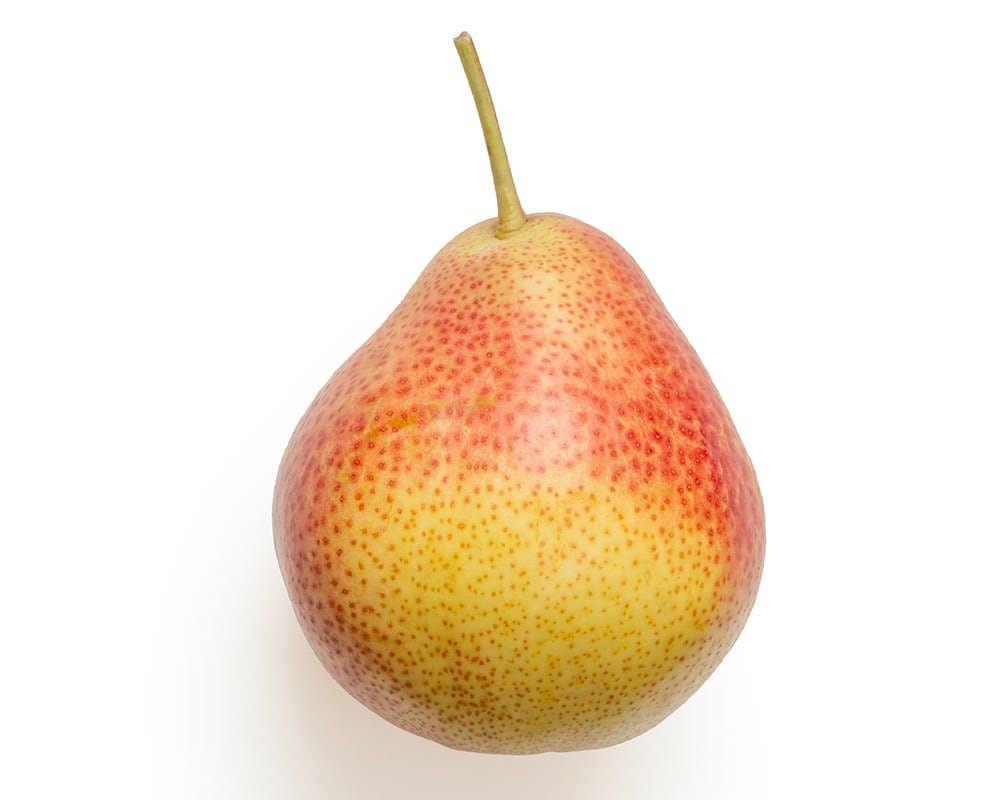
The French phrase “garder une poire pour la soif” means “to keep a pear for thirst” in English. It is a saying used to talk about saving something for the future.

Long ago, people used to carry a pear with them when they traveled or faced uncertain times. The pear was chosen because it could provide moisture and help with thirst. By keeping a pear for later, people made sure they had something to rely on if they became thirsty.

When someone says they are “garder une poire pour la soif,” they mean they are saving or setting aside something for when they might need it later. It’s about being prepared and thinking ahead. It could mean saving money, gathering resources, or making arrangements to avoid difficulties in the future.

This expression dates from the end of the 16th century and was first cited by Antoine Oudin in 1640.

In English, we have a similar saying: “to save something for a rainy day.” This means to keep something aside for when you might need it in the future. It’s about being prepared and thinking ahead, just like “garder une poire pour la soif” in French.


Don’t miss new articles!

Get 1 email a week with new articles about French

We don’t spam! Read more in our privacy policy

Similar Posts

  • les anglais ont débarqué

    This French idiom means literally, “the English have disembarked.” From 1815 to 1820, the English Army, wearing their traditional red uniforms, occupied France in their war against Napoléon. After they left, Parisians started using this phrase to mean, “to have her period,” since the flow of unwelcome English invaders wearing red coats resembled red menstrual…

  • le parti & la partie

    Homonyms are words that share the same spelling or pronunciation but have different meanings. In this article, we’ll delve into two French homonyms: “parti” and “partie.” Meaning and Usage 1. Le parti: 2. La partie: Etymology 1. Le Parti: Latin Origin: The word “parti” has its roots in the Latin word “partitus,” which is the…

  • Thanking

    The way to say “thank you” in French involves words like “merci,” “remerciements” and “remercier.” Most people are familiar with “merci,” but may not have heard of the other two words. Merci “Merci” is either an exclamation or a masculine noun meaning “thanks” or “thank you.” Remerciements “Les remerciements” (masculine plural) is a noun meaning…

  • Grammar: Imperfect tense

    The Imperfect verb tense (l’imparfait) in French is used to express continuous action in the past. If we use the English verb “to give” as an example, the meanings of the French Imperfect version of this verb would be “I was giving,” “I used to give,” “I kept on giving,” or even “I gave.” There…

  • nouveau vs neuf

    The French adjectives “nouveau” and “neuf” both mean “new.” So how do you decide which one to use? Nouveau Meaning: Usage: “Nouveau” is used before the noun and agrees in gender and number with the noun it modifies: Examples: Neuf Meaning: Usage: “Neuf” is also used before the noun and must agree in gender and…

  • | |

    Devant

    The French word “devant” can be used as a preposition, as an adverb, or as a noun. Preposition As a preposition, “devant” means “in front of,” “ahead of” or “before.” Adverb As an adverb, “devant” means “in front,” “at the front,” or “ahead.” Noun As a masculine noun, “le devant” means “the front.”