garder une poire pour la soif

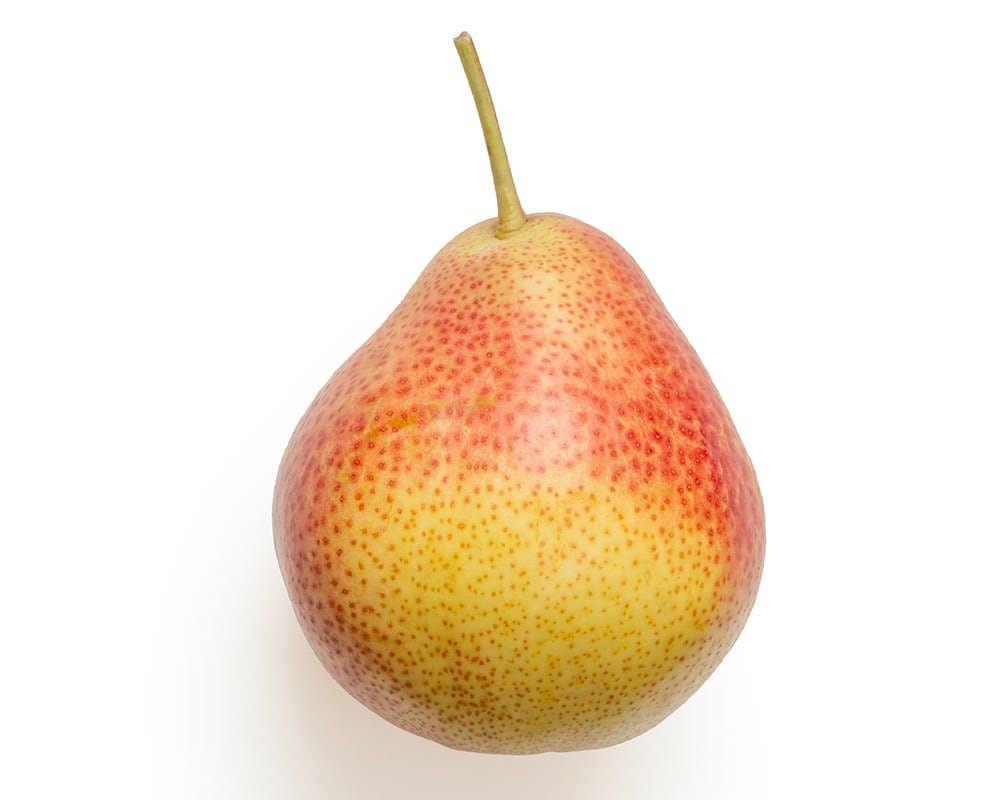
The French phrase “garder une poire pour la soif” means “to keep a pear for thirst” in English. It is a saying used to talk about saving something for the future.

Long ago, people used to carry a pear with them when they traveled or faced uncertain times. The pear was chosen because it could provide moisture and help with thirst. By keeping a pear for later, people made sure they had something to rely on if they became thirsty.

When someone says they are “garder une poire pour la soif,” they mean they are saving or setting aside something for when they might need it later. It’s about being prepared and thinking ahead. It could mean saving money, gathering resources, or making arrangements to avoid difficulties in the future.

This expression dates from the end of the 16th century and was first cited by Antoine Oudin in 1640.

In English, we have a similar saying: “to save something for a rainy day.” This means to keep something aside for when you might need it in the future. It’s about being prepared and thinking ahead, just like “garder une poire pour la soif” in French.

Don’t miss new articles!

Get 1 email a week with new articles about French

We don’t spam! Read more in our privacy policy

Similar Posts

  • verb: toucher

    The French verb “toucher” has a few different meanings. Not all of them are obvious. It can mean “to touch,” “to hit,” “to affect,” “to be next to,” “to get,” “to receive,” or “to win.” “Le toucher” is also a masculine noun meaning “the touch” or “the sense of touch.” to touch to hit to…

  • mettre en boîte

    The French idiom “mettre en boîte” means literally “to put in a can” or “to can.” Figuratively however it means “to make fun of someone,” “to annoy,” “to tease,” or “to kid.” The saying dates back to the end of the 19th century, when “to can” meant “to mock” or “to whistle disapprovingly at.” The…

  • Avoir d’autres chats à fouetter

    “Avoir d’autres chats à fouetter” means literally “to have other cats to whip.” But in English, this would translate to “to have other fish to fry” or “to have better/more important things to do.” The origin of this expression is unknown. However other expressions involving whipped cats do exist: “éveillée comme un chat qu’on fouette”…

  • il vaut mieux

    The phrase “il vaut mieux” can be translated as “it is better” or “it is preferable.” It is employed to express a preference or recommendation, suggesting that one option is superior or more desirable than another. It uses an impersonal construction of the verb “valoir,” which means “to be worth.” An impersonal construction means that…