cracher dans la soupe

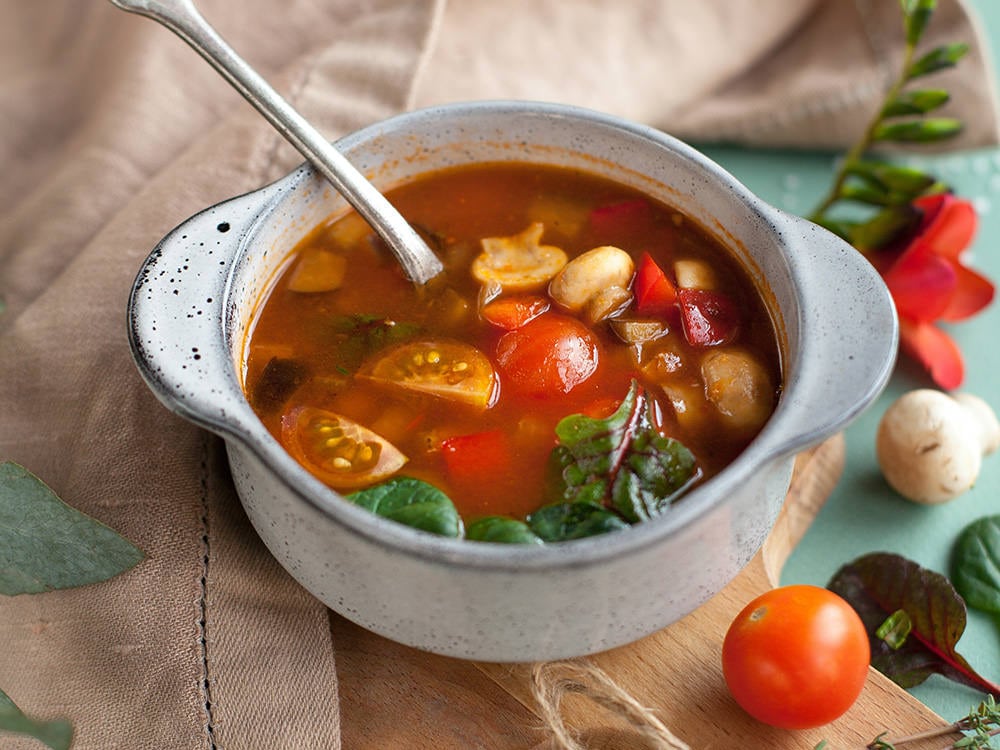
The French saying “cracher dans la soupe” literally translates as “to spit in the soup.” What it really means is “to show contempt for something that benefits you” or “to criticise that which enables you to survive.”

The origin of this saying is unknown.

Its meaning, however, is quite clear. To spit in one’s own soup is a self-defeating act. Similarly, to act badly towards someone or something that helps or benefits you is equally self-defeating. One should not have contempt for something that benefits oneself.

The equivalent English expression is “to bite that hand that feeds you.”

Don’t miss new articles!

Get 1 email a week with new articles about French

We don’t spam! Read more in our privacy policy

Similar Posts

  • violon d’Ingres

    The French saying “violon d’Ingres” literally translates as “violin of Ingres.” What it really means is “hobby,” “pastime,” or “an activity that you enjoy outside your main job.” Jean-Auguste-Dominique Ingres was a 19th century painter who created a number of famous works, including Grande Baigneuse (1808), Oedipus and the Sphinx (1808), and La Grande Odalisque…

  • un coup

    The French noun “un coup” is versatile and widely used in various contexts. It can mean “a blow” or “a stroke,” but its meanings extend far beyond these basic definitions. Basic Meanings Idiomatic Expressions “Un coup” appears in many idiomatic expressions, each with its own unique meaning. Here are some common ones:

  • mouche expressions

    The word “la mouche” means “the fly” in French. Here is a summary of French idiomatic expressions that use “mouche.” Faire mouche Literal meaning: To hit the flyFigurative meaning: To hit the target exactly; to be spot onOrigin: From archery or shooting. La mouche was the black center of the target.Example: Son commentaire a fait…

  • Verb: Avoir

    The French verb “avoir” is a fundamental verb that holds great importance in the French language. Translated as “to have” in English, “avoir” is an irregular verb that appears in various contexts and is used in a multitude of expressions. Let’s explore the verb “avoir” and its significance in French. Firstly, let’s look at its…

  • Days of the week

    It’s important to know the days of the week in French. Each day has an English translation. Each day also has an original meaning, which may sometimes help you to remember it. French English Original French meaning lundi Monday Day of the Moon mardi Tuesday Day of Mars mercredi Wednesday Day of Mercury jeudi Thursday…

  • la mode, le mode

    “Mode” is a French noun that can either be masculine or feminine. Its meaning changes depending on whether it is the masculine version of the noun or the feminine version. In its masculine form, it means “mode” or “way.” In the feminine, it means “fashion.” So you can remember the difference by remembering that women…

Leave a Reply

Your email address will not be published. Required fields are marked *