violon d’Ingres

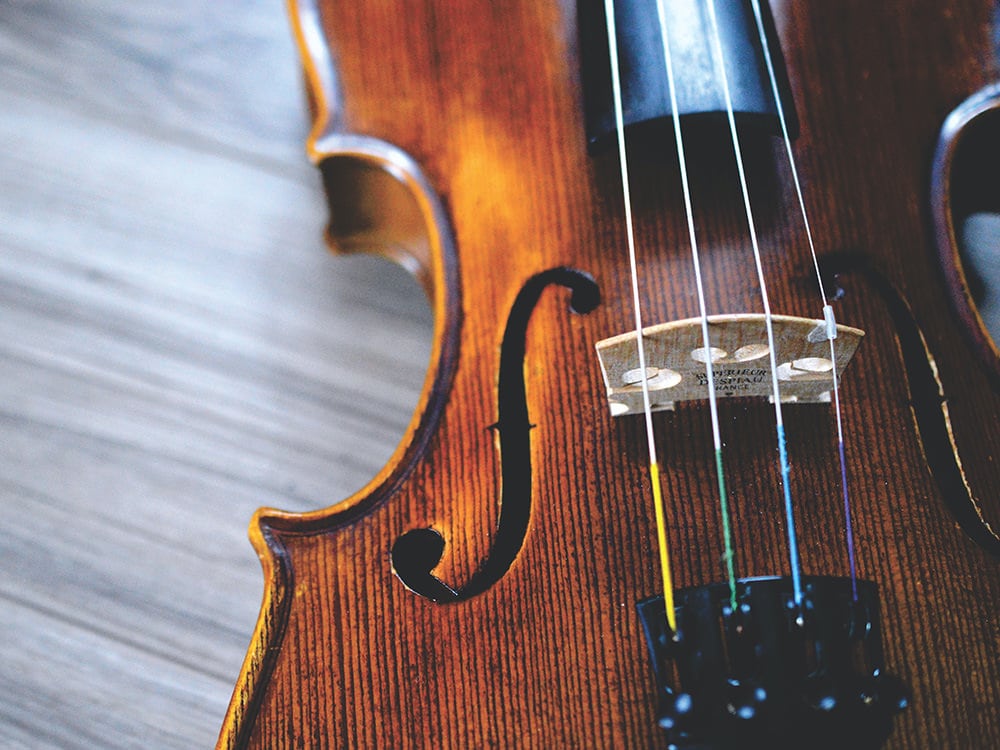
The French saying “violon d’Ingres” literally translates as “violin of Ingres.” What it really means is “hobby,” “pastime,” or “an activity that you enjoy outside your main job.”

Jean-Auguste-Dominique Ingres was a 19th century painter who created a number of famous works, including Grande Baigneuse (1808), Oedipus and the Sphinx (1808), and La Grande Odalisque (1814).

Outside of his talent for painting, Ingres was also a talented violin player. His violin playing was good, though not remarkable. For a while, he even played among the second violins for the orchestra of Toulouse.

This expression dates back to the start of the 20th century.

The nearest English equivalents are “hobby,” “avocation” and “to have a second string to one’s bow.”
Don’t miss new articles!

Get 1 email a week with new articles about French

We don’t spam! Read more in our privacy policy

Similar Posts

  • |

    comme

    The French word “comme” can function either as an adverb or as a conjunction. Adverb As an adverb, “comme” means “how.” Another word that is used similarly is “que.” Conjunction Comme as a conjunction can mean “as” or “like.” Idiomatic expressions Etymology: The word “comme” comes from the Latin word “quam.” In Old French, it…

  • à bâtons rompus

    This phrase means “without continuity,” “with frequent interruptions,” “in a disordered fashion,” “informal,” or “in an irregular way.” The origins of this French expression are shrouded in mystery. Some believe it comes from a traditional tapestry design that contained an irregular mix of sticks or long, thin rectangular shapes. It is more likely that this…

  • détendre

    The French Verb “Détendre”: Unraveling Layers of Relaxation The French verb “détendre” means “to relax,” “to loosen,” “to untighten,” “to release” or even “to entertain.” It also has a reflexive version, “se détendre,” which also means “to relax” or “to slacken.” Etymology:“Détendre” comes from the Latin words, “de” (down from) and “tendere” (to stretch). Usage:…

  • Avoir de la veine

    “Avoir de la veine” means to be lucky or to have luck. “Une veine” is a vein. So what is the connection between veins and luck? The term comes from the world of men who searched for gold, diamonds or other precious metals. These metals and diamonds are found in concentrations in rock called “veins.”…

  • to happen

    There are few different ways of translating the verb “to happen” into French. You can use the French verbs “se passer,” “arriver” or “se produire.” Let’s look at some examples of each, in order of most frequent usage. se passer arriver se produire

Leave a Reply

Your email address will not be published. Required fields are marked *