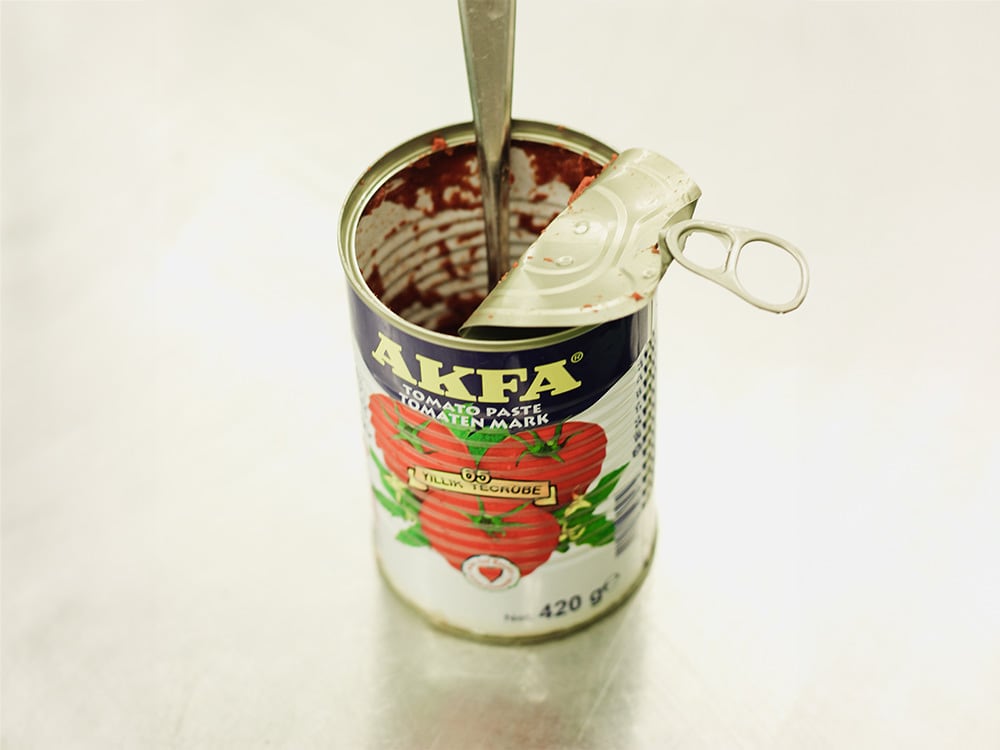
mettre en boîte

The French idiom “mettre en boîte” means literally “to put in a can” or “to can.” Figuratively however it means “to make fun of someone,” “to annoy,” “to tease,” or “to kid.”

The saying dates back to the end of the 19th century, when “to can” meant “to mock” or “to whistle disapprovingly at.” The modern form of the expression dates to around 1910 and was in widespread usage by 1930.

Similar English expressions include “to tease somebody,” “to make fun of somebody,” “to have a good laugh at,” and “to pull someone’s leg.”

Don’t miss new articles!

Get 1 email a week with new articles about French

We don’t spam! Read more in our privacy policy

Similar Posts

  • ça me fait du bien

    The French phrase “ça me fait du bien” is used quite frequently in conversation. It translates as “it makes me feel good,” “it feels good,” “it does me good,” “it’s good for me,” “it makes me feel better,” “it feels so good,” “that does me good,” “this is good for me” and “I feel good,”…

  • il faut

    The French phrase “il faut” translates to “it is necessary.” It is an impersonal expression, meaning that the “il” does not translate as “he,” but rather as “it.” So it means “it is necessary,” not “he is necessary.” In fact, the French verb “falloir,” which is the infinitive that “il faut” comes from, can only…

  • verb: toucher

    The French verb “toucher” has a few different meanings. Not all of them are obvious. It can mean “to touch,” “to hit,” “to affect,” “to be next to,” “to get,” “to receive,” or “to win.” “Le toucher” is also a masculine noun meaning “the touch” or “the sense of touch.” to touch to hit to…

  • les anglais ont débarqué

    This French idiom means literally, “the English have disembarked.” From 1815 to 1820, the English Army, wearing their traditional red uniforms, occupied France in their war against Napoléon. After they left, Parisians started using this phrase to mean, “to have her period,” since the flow of unwelcome English invaders wearing red coats resembled red menstrual…

  • Franchir le Rubicon

    “Franchir le Rubicon” means to cross the Rubicon. It means to take a decisive and irreversible step, to take a decision and accept all its consequences, to make an irreversible choice, or to take an irrevocable decision. The Rubicon is a river that in 49 BC separated Gaul from the Roman Empire. Julius Caesar, the great…

  • à huis clos

    “à huis clos” is a French saying that means in private, with all doors closed, in secret. It is an expression dating from the middle of the 16th century, meaning “with doors closed.” “Huis” is an old 11th century word for door, now replaced by the word “porte.” The original word for door was “us,”…