faire le plein de
The french phrase faire le plein de is a common and useful expression. It literally means to fill up, but it has several figurative meanings.
The core meaning: filling a tank
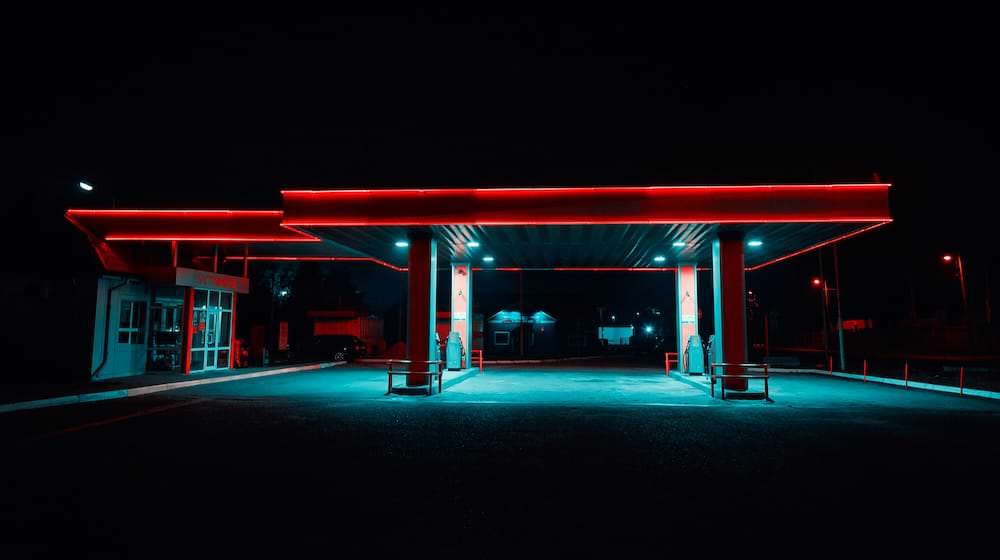
The most basic use of faire le plein is for filling the fuel tank of a vehicle.
- Je dois faire le plein avant de prendre l’autoroute.
I have to fill up before taking the highway. - Faites le plein, s’il vous plaît.
Fill it up, please. - Le prix pour faire le plein a beaucoup augmenté.
The price to fill up the tank has gone up a lot.
In this context, you will often hear the noun plein used alone.
- Un plein d’essence, s’il vous plaît.
A full tank of gas, please.
Figurative use: stocking up
You use faire le plein de to talk about getting a large quantity of something you need. It is like stocking up.
- Il faut faire le plein de provisions pour le weekend.
We need to stock up on supplies for the weekend. - Nous faisons le plein de bois pour l’hiver.
We are stocking up on wood for the winter. - Elle a fait le plein de produits de beauté à la parfumerie.
She stocked up on beauty products at the perfumery. - Ils font le plein de bonnes idées en lisant des livres.
They are gathering lots of good ideas by reading books.
Figurative use: maximum amount of something abstract
It can also mean to gather or achieve a large amount of something non-material, like energy, happiness, or votes.
- Après les vacances, j’ai fait le plein d’énergie.
After the holidays, I am full of energy. - Le candidat a fait le plein des voix dans les grandes villes.
The candidate got the most votes in the big cities. - On fait le plein de bonne humeur avec cette musique.
This music fills us with good cheer. - Il va à la montagne pour faire le plein d’air pur.
He goes to the mountains to get his fill of fresh air.
Synonyms and alternatives
- For filling a tank: mettre de l’essence (to put in gas), prendre de l’essence (to get gas).
- For stocking up: s’approvisionner en (to stock up on), faire des provisions de (to get supplies of), acheter en grande quantité (to buy in large quantity).
- For gathering abstract things: accumuler (to accumulate), engranger (to gather in, to store up), récolter (to reap, to gather).
Summary
- Faire le plein literally means to fill a fuel tank.
- With de, faire le plein de means to stock up on something material.
- It is also used to talk about getting a maximum amount of something abstract like energy or support.