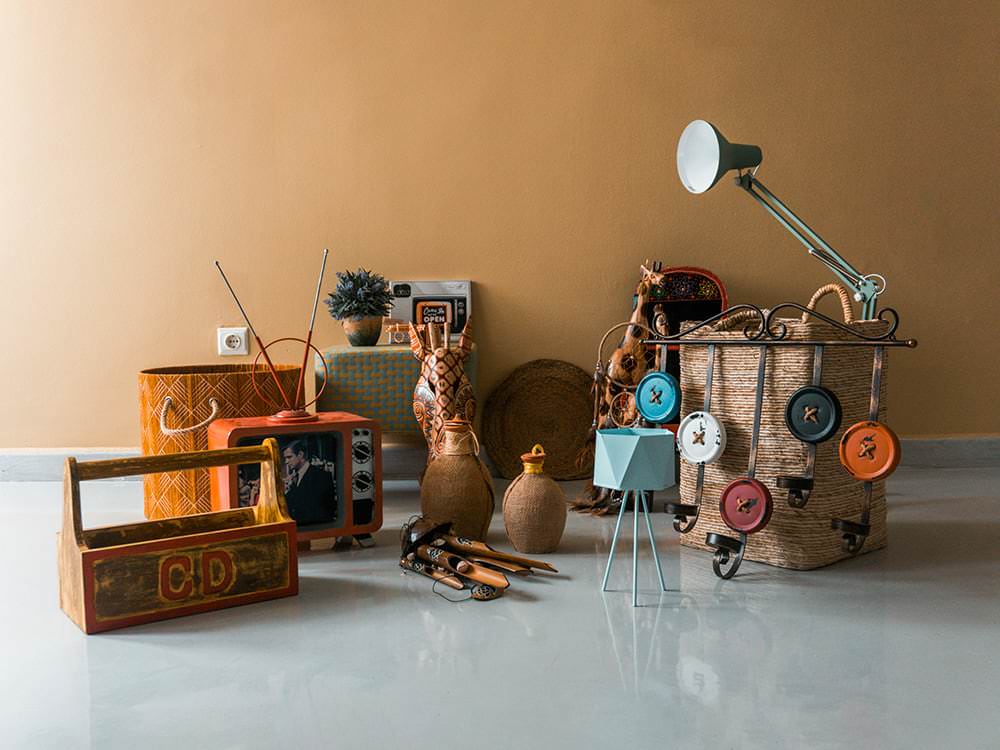
Thing
In French, there are several words used to refer to “thing.” Each has its nuances and specific contexts where it’s most appropriate. Here’s a guide to the different French words for “thing.”
Chose
The most common word for “thing” is une chose. It is used broadly and can refer to just about any object or matter.
Examples:
- Qu’est-ce que c’est, cette chose? (What is this thing?)
- J’ai trouvé la chose que tu cherchais. (I found the thing you were looking for.)
Truc
Un truc is a more informal term for “thing.” It can be used when the name of the object isn’t known or isn’t important.
Examples:
- Passe-moi ce truc, s’il te plaît. (Pass me that thing, please.)
- C’est quoi, ce truc? (What is this thing?)
Machin
Similar to truc, un machin is another informal way to refer to an unspecified object. It can also be used when talking about a device or gadget.
Examples:
- Où est le machin pour ouvrir les bouteilles? (Where is the thing for opening bottles?)
- J’ai acheté un machin pour nettoyer les vitres. (I bought a thing for cleaning windows.)
Bidule
Un bidule is a less common informal term for “thing.” It’s often used similarly to truc and machin.
Examples:
- Il y a un bidule qui traîne par terre. (There is a thing lying on the floor.)
- Donne-moi le bidule, là-bas. (Give me that thing over there.)
Trucmuche
A playful and very informal term, un trucmuche is used in casual conversation. It combines truc and an invented suffix to refer to any unknown or unnamed object. It means “thingumabob” or “thingumajig.”
Examples:
- C’est quoi, ce trucmuche? (What is this thing?)
- Passe-moi le trucmuche, s’il te plaît. (Pass me the thing, please.)
Objet
When referring to a specific item or object, the word un objet is often used. It is more formal than the other terms.
Examples:
- Cet objet est très précieux. (This object is very precious.)
- Il y a beaucoup d’objets anciens dans ce musée. (There are many old objects in this museum.)
Affaire
Une affaire can mean “thing” or “stuff,” in the context of personal belongings or matters.
Examples:
- Rassemble tes affaires, nous devons partir. (Gather your things, we need to leave.)
- C’est une affaire importante. (This is an important matter.)
Trucmucherie
A very colloquial and rarely used word, une trucmucherie refers to a collection of unspecified items or things.
Examples:
- Regarde tout ce bazar, c’est plein de trucmucheries! (Look at all this mess, it’s full of things!)
- J’ai mis toutes les trucmucheries dans la boîte. (I put all the things in the box.)