la mode, le mode

“Mode” is a French noun that can either be masculine or feminine. Its meaning changes depending on whether it is the masculine version of the noun or the feminine version. In its masculine form, it means “mode” or “way.” In the feminine, it means “fashion.” So you can remember the difference by remembering that women are generally more interested in fashion than men.

Le mode

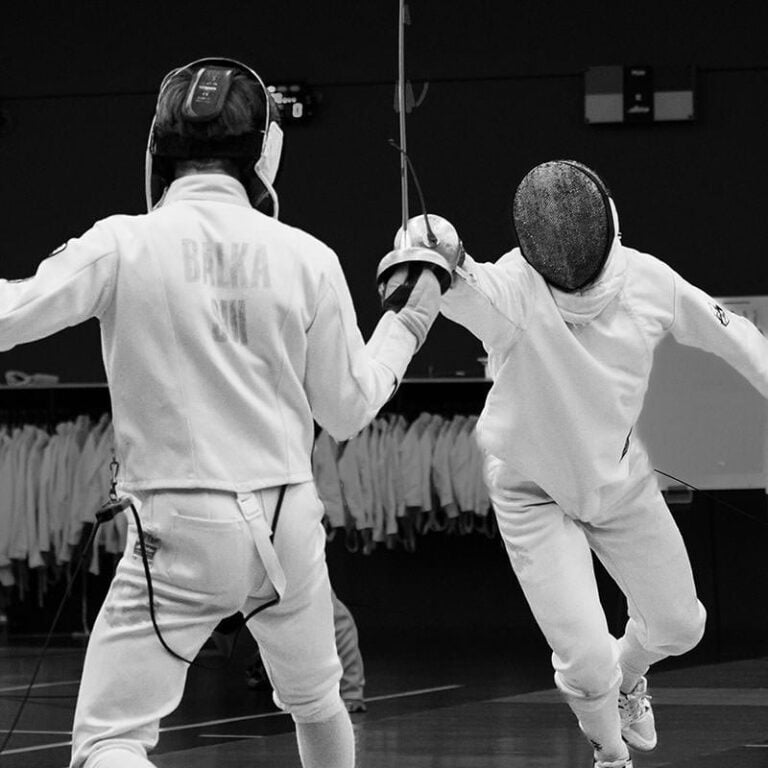
Le mode means “way,” “mode,” “method” or “mood.” Examples include “mode de paiement” (method of payment), “mode de transport” (mode of transport), “mode de vie” (way of life) and “mode de gouvernement” (mode of government). It can also mean “mood,” but in a linguistic sense, not an emotional sense. The indicative, imperative, conditional and subjunctive are all different “moods” of verbs that express, respectively: certainty, command, probability and uncertainty. And “le mode” can also refer to musical modes such as the Aeolian, Mixolydian and Dorian modes, which different from the major and minor musical scales used by more recent Western music.

La mode

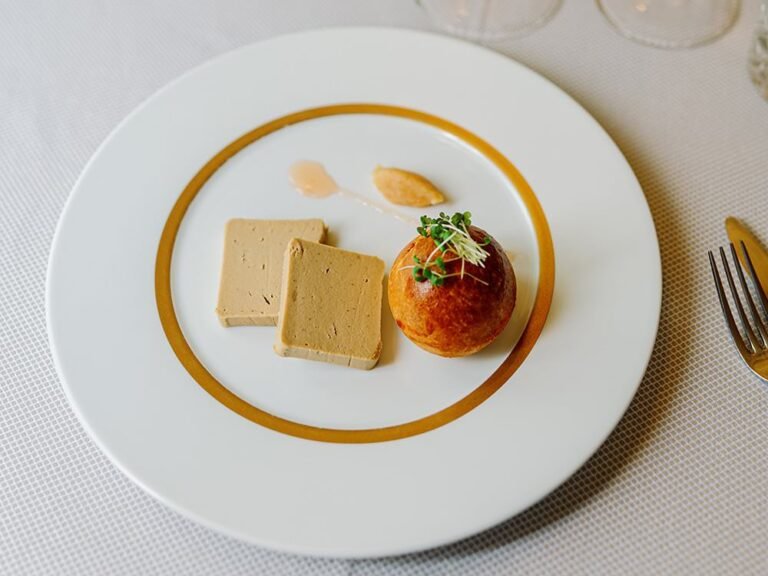
La mode means “fashion,” or “trend” or “fad.” “C’est la mode” means “it’s the fashion.” “Une mode passagère” means “a fad.” The expression “à la mode” means “fashionable” or “in fashion.” “La mode” can also refer to the fashion industry as a whole, as in “elle travaille dans la mode” (she works in the fashion industry).


Don’t miss new articles!

Get 1 email a week with new articles about French

We don’t spam! Read more in our privacy policy

Similar Posts

  • aller

    In French, one of the most important verbs is “aller,” which means “to go.” Let’s look at how it works in different situations. Present Tense: In the present tense, “aller” (to go) is conjugated as follows: Example: Je vais au cinéma ce soir. (I am going to the cinema tonight.) Imperfect Tense: When describing ongoing…

  • tache, tâche

    The French nouns “tache” and “tâche”, as well as the verbs “tacher” and “tâcher” have totally different meanings. The only spelling difference is the presence or absence of a single accent. “Tache” (without circumflex) and “tacher” “Tache” (noun) “Tacher” (verb) Etymology of “tache” and “tacher” “Tâche” (with circumflex) and “tâcher” “Tâche” (noun) “Tâcher” (verb) Etymology…

  • mine de rien

    “Mine de rien” is a popular French expression that is used in everyday conversations. Literally translated, it means “appearance of nothing,” “expression of nothing,” or “look of nothing,” but its true meaning goes beyond its literal interpretation. This expression is often used to describe someone’s behavior or attitude when they are doing something in a…

  • prévenir

    The French verb “prévenir” means “to prevent” or “to warn.” It also means “to let [someone] know,” “to avert,” “to advise,” “to inform,” “to guard against,” “to notify” and “to forewarn.” Examples Etymology The word “prévenir” comes from the Latin verb “praeventire,” composed of “prae” (before) and “eventire” (to come).

  • verb: marcher

    The French verb “marcher” has a variety of meanings, including “to walk,” “to function,” “to work,” “to tread,” “to go,” “to go for it,” and even “to fall for it.” To walk To tread To go To work, to function To go for it To fall for it Expressions

  • amener, apporter, emmener, emporter

    The French verbs “amener,” “apporter,” “emmener” and “emporter” are used to translate the English verbs “to take” and “to bring.” But which one should you use? And what happened to “prendre?” mener Both “amener” and “emmener” are based on the verb “mener,” which means “to lead.” You can lead a person, an animal or a…