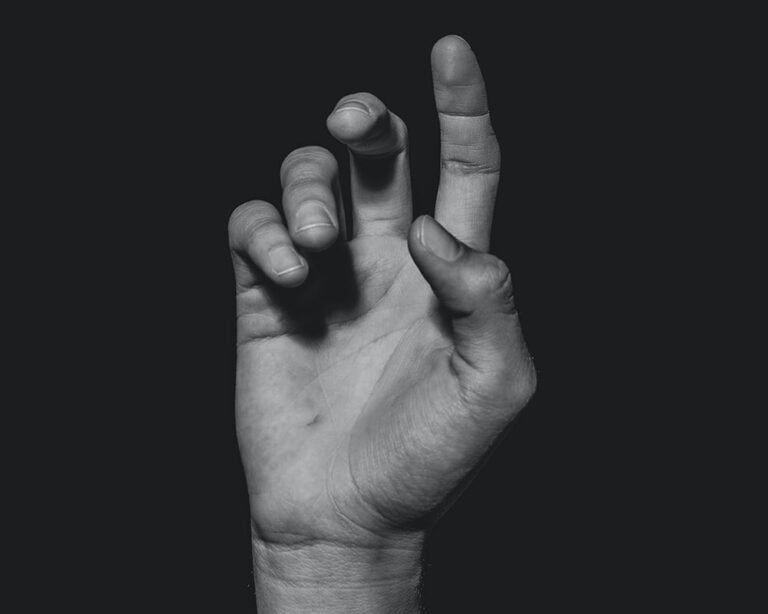
tirer
The French verb “tirer” means “to draw” or “to pull,” but it has many additional meanings. It is a widely used verb, as well as being the basis of other related verbs such as attirer, étirer, retirer and soutirer.
Multiple Meanings of “Tirer”:
- To Pull or Draw:
- Elle a tiré le rideau. (She pulled the curtain.)
- Il tire la corde avec force. (He is pulling the rope with strength.)
- To Shoot or Fire:
- Il a tiré sur la cible avec précision. (He shot the target with precision.)
- Les soldats ont tiré leurs armes. (The soldiers fired their weapons.)
- To Extract or Take Out:
- Il a tiré une carte du chapeau. (He pulled a card out of the hat.)
- On peut tirer de l’eau du puits. (One can draw water from the well.)
- To Print:
- Le journal est tiré à mille exemplaires. (The newspaper is printed in a thousand copies.)
- Ils ont tiré un livre en édition limitée. (They printed a limited edition book.)
- To Extend or Stretch:
- Tirer une élastique entre ses mains. (To stretch a rubber band between one’s hands.)
- Tirer une corde pour la rendre tendue. (To pull a rope to make it tight.)
Etymology
The verb “tirer” comes from the Latin verb “tirare,” which means “to pull” or “to drag.” In Old French this became “tirer,” which has the same spelling as modern French “tirer.”
Related verbs
- attirer (to attract)
- étirer (to stretch)
- retirer (to withdraw)
- soutirer (to extract)
Conjugation
“Tirer” is a regular verb of the “-er” group of verbs, so it is conjugated like all other regular verbs in that group.
Present Tense:
- Je tire (I pull)
- Tu tires (You pull)
- Il/elle/on tire (He/she/one pulls)
- Nous tirons (We pull)
- Vous tirez (You pull)
- Ils/elles tirent (They pull)
Passé Composé:
The passé composé is formed using the auxiliary verb “avoir” and the past participle of “tirer,” which is “tiré.”
- J’ai tiré (I pulled)
- Tu as tiré (You pulled)
- Il/elle/on a tiré (He/she/one pulled)
- Nous avons tiré (We pulled)
- Vous avez tiré (You pulled)
- Ils/elles ont tiré (They pulled)