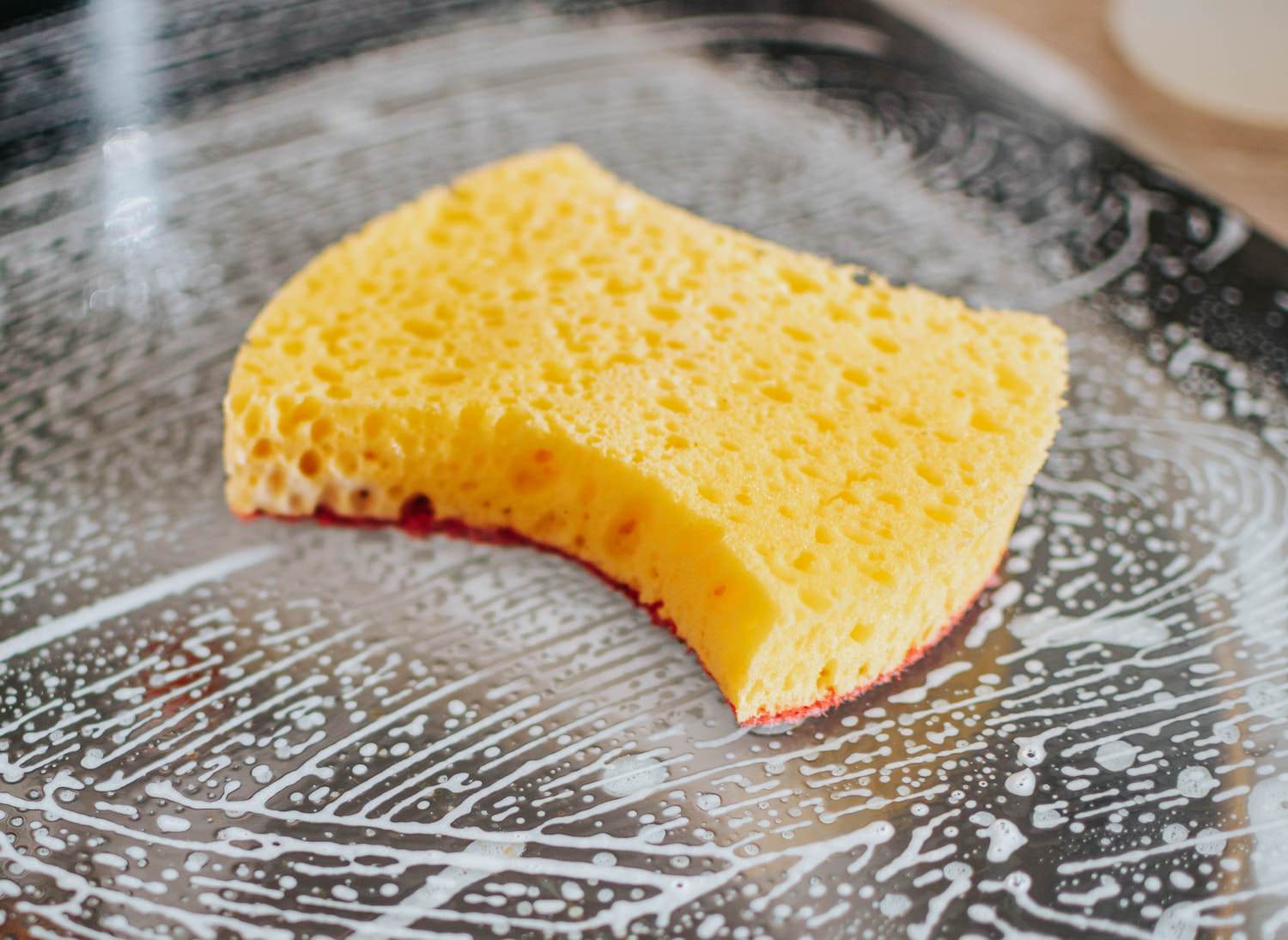
passer l’éponge

Passer l’éponge means literally to pass the sponge, but in slightly better English it would be to wipe the sponge. The English saying it most closely resembles would be “to wipe the slate clean.” It means to restart from zero, to forgive, or to forget disagreeable acts. The expression dates back to the start of the 17th century and originally existed in the form “porter l’éponge” which meant to carry the sponge.

Don’t miss out on new posts – subscribe now!

Don’t miss new articles!

Get 1 email a week with new articles about French

We don’t spam! Read more in our privacy policy

Similar Posts

  • verb: dessiner

    Meaning The primary meaning of the French verb “dessiner” is “to draw,” “to design,” “to map out,” “to outline,” “to depict” or even “to portray.” For example, “Il a su dessiner un tableau vivant de la scène.” Conjugation “Dessiner” is a regular “-er” verb, meaning it follows the typical conjugation patterns for this type of…

  • c’est fort de café

    “c’est fort de café !” means “it’s over the top!” or simply “it’s too much!”. This idiom is a way of saying something is excessive or exaggerated. It translates literally as “it’s strong of coffee” (or “this coffee is strong!”) and comes from a 17th century expression “c’est trop fort,” meaning literally “it’s too strong,”…

  • le parti & la partie

    Homonyms are words that share the same spelling or pronunciation but have different meanings. In this article, we’ll delve into two French homonyms: “parti” and “partie.” Meaning and Usage 1. Le parti: 2. La partie: Etymology 1. Le Parti: Latin Origin: The word “parti” has its roots in the Latin word “partitus,” which is the…

  • |

    rigolo

    The French word “rigolo” can be either an adjective (meaning “funny”) or a noun (meaning “a funny person”). The Adjective “Rigolo”: Masculine and Feminine Forms: The masculine singular adjective “rigolo” becomes “rigolote” in the feminine singular in French. Etymology: The word “rigolo” comes from the verb “rigoler,” which means “to laugh” or “to have a…

  • think

    There are a few different ways to say “to think” in French. You can use verbs like “penser,” “songer,” “réfléchir,” “croire,” or “considérer.” penser Penser means “to think.” It is related to the English word “pensive,” someone who is thoughtful or in deep thought. It can be used with “à” to mean “to have in…

  • because

    How do you say “because” in French? Most learners are familiar with “parce que,” meaning “because.” “Parce que” is followed by a phrase containing a verb. That means you can’t use “parce que” to say something like “I won’t go to the beach, because of the rain.” The words “the rain” don’t contain a verb,…

Leave a Reply

Your email address will not be published. Required fields are marked *