Cleopatra’s nose
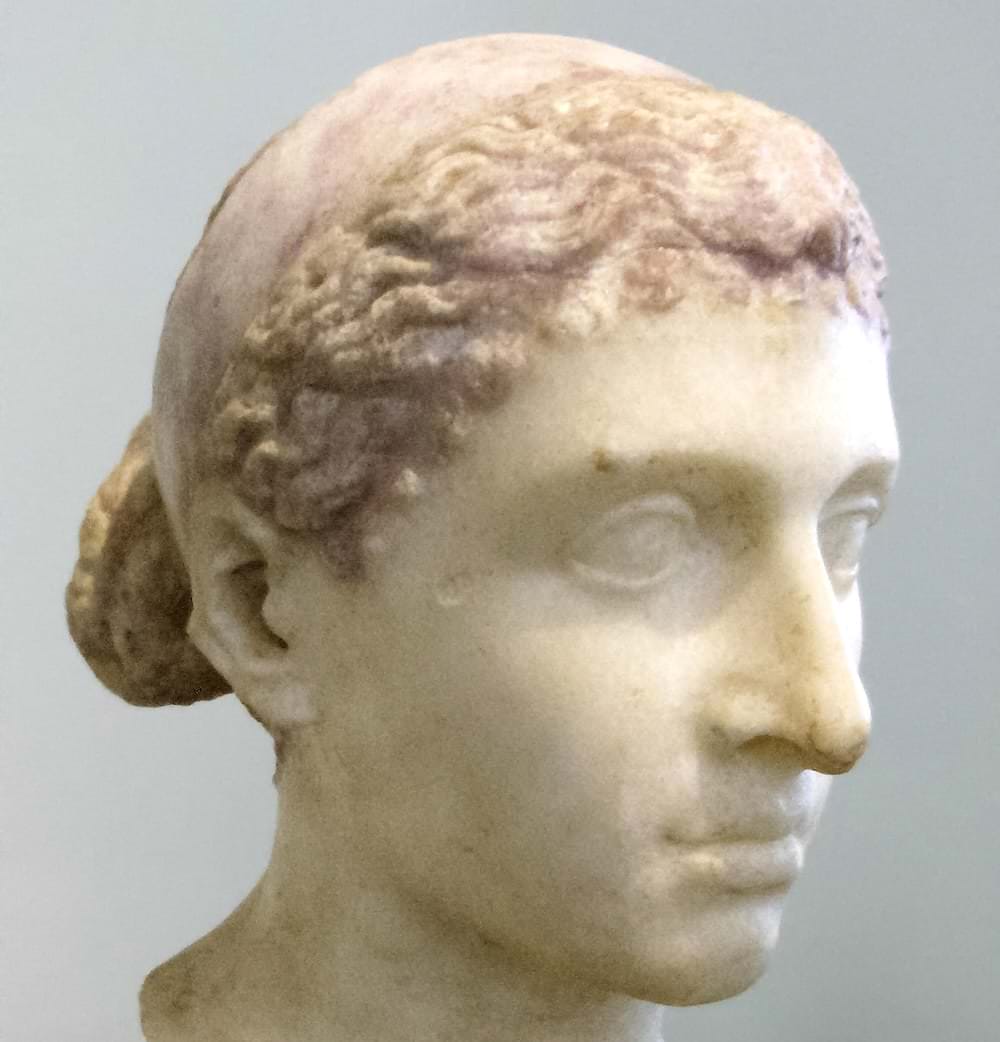
The French expression « le nez de Cléopâtre » (“Cleopatra’s nose”) comes from a famous line by the 17th-century philosopher and mathematician Blaise Pascal. In his Pensées (1670), he wrote:
« Le nez de Cléopâtre, s’il eût été plus court, toute la face de la terre aurait changé. »
If Cleopatra’s nose had been shorter, the whole face of the earth would have been different.
What Pascal Meant
Pascal was not literally interested in Cleopatra’s appearance. The phrase is a reflection on how small accidents can change the course of history. Cleopatra’s beauty, symbolised by her “nose,” influenced Julius Caesar and later Mark Antony. Their relationships with her had political consequences that affected the entire Roman world.
Pascal’s point was that something as trivial as a detail of appearance—or any random factor—can have immense historical consequences. A minor variation could have altered the destiny of empires. In short, history often turns on chance rather than reason.
Why the Phrase Became Famous in France
This brief sentence became one of the best-known lines in French literature for several reasons:
- It perfectly captures the classical French love of wit and paradox.
- It reflects the 17th-century moralist style, which explored the frailty and vanity of human motives.
- It offered a memorable image of how love, beauty, and politics intertwine.
For centuries, French students have encountered the phrase as a model of concise, elegant thought. It embodies an idea the French enjoy returning to: that history depends on fragile causes and human folly as much as on reason or planning.
Modern Interpretations
Today, the expression « le nez de Cléopâtre » survives as a cultural reference and even as a light-hearted saying. It is often used to mean “a tiny event that changes everything.” For example:
Si j’avais pris un autre train ce jour-là, je ne t’aurais jamais rencontré — le nez de Cléopâtre !
“If I had taken a different train that day, I would never have met you — Cleopatra’s nose!”
In literature and philosophy, the expression is now discussed as a precursor to the idea of the “butterfly effect”: the notion that small causes can have vast, unpredictable consequences. Teachers still cite Pascal’s phrase to illustrate the tension between fate and randomness, reason and emotion, or the power of the individual in history.
Writers such as Marcel Proust, André Maurois, and Raymond Queneau have re-used or parodied it, sometimes to show how love or chance governs human life. In modern French essays and classrooms, it remains a favourite example of how a single sentence can hold centuries of reflection on beauty, destiny, and accident.
In short:
Cleopatra’s nose is not just a curiosity from Pascal’s Pensées. It stands for a distinctly French way of thinking about history — that the grandest events can hinge on the smallest details, and that chance often shapes destiny more than logic ever could.