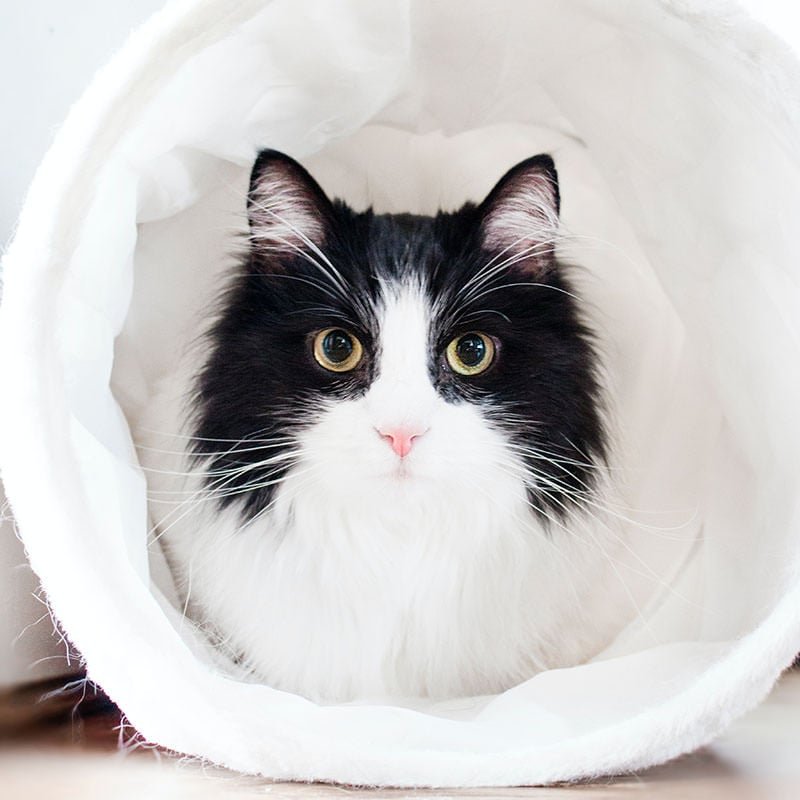
Acheter chat en poche

“Acheter chat en poche” means to buy something without having seen it first and thereby risk disappointment. It means the same as the English saying “to buy a pig in a poke.” Literally it means “to buy a cat in a pocket,” but “poche” in this case means “bag,” not pocket.

The expression dates back to the early 15th century. Vendors would sometimes sell a suckling pig (a piglet) in a bag to unwary buyers. Suckling pigs were expensive delicacies back in the early 1400s and still are today. But instead of a suckling pig, the bag would contain a cat, which was about the same size and certainly no delicacy. Buyers who weren’t prudent enough to check the contents of the bag before buying would be swindled.


Don’t miss out on new posts – subscribe now!

Don’t miss new articles!

Get 1 email a week with new articles about French

We don’t spam! Read more in our privacy policy

Similar Posts

  • laid comme un pou

    The French saying “laid comme un pou” translates literally as “(as) ugly as a louse.” It means “very ugly.” This idiom dates back to the end of the 18th century. Although there are plenty of other insects that are uglier than a louse, which is responsible for head lice infestations, the effects of this insect…

  • beau comme un camion

    The literal translation of “beau comme un camion” is “beautiful as a truck.” On the surface, this phrase appears to be an ironic or humorous comparison. After all, trucks are not typically associated with beauty. Instead, they are functional vehicles designed for transporting goods. This expression is used to describe a person, typically a woman,…

  • violon d’Ingres

    The French saying “violon d’Ingres” literally translates as “violin of Ingres.” What it really means is “hobby,” “pastime,” or “an activity that you enjoy outside your main job.” Jean-Auguste-Dominique Ingres was a 19th century painter who created a number of famous works, including Grande Baigneuse (1808), Oedipus and the Sphinx (1808), and La Grande Odalisque…

  • bec et ongles

    The French saying “bec et ongles” derives its origin from the Latin expression “rostrum et unguibus,” which also means “beak and nails.” This ancient phrase refers to the beak, symbolizing the fierceness and determination of a bird, and the nails, representing strength and tenacity. Throughout history, birds have often been associated with bravery and courage,…

Leave a Reply

Your email address will not be published. Required fields are marked *