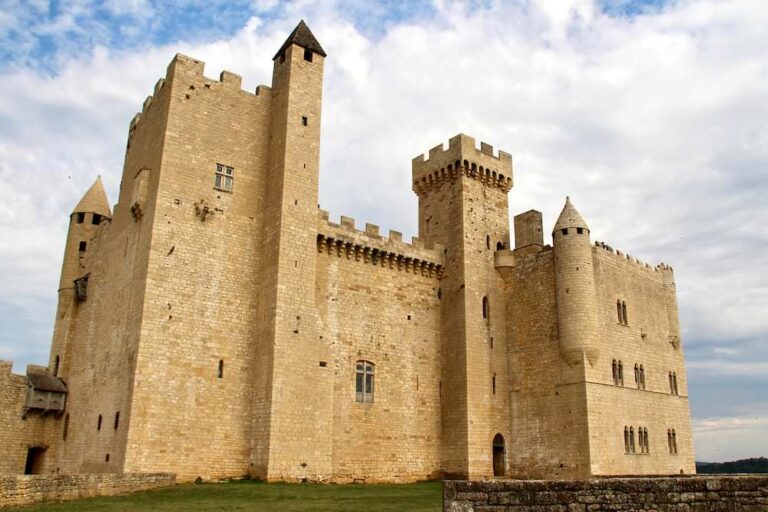
Toutatis
The name Toutatis (also spelled Teutates) comes from the ancient Celtic world. He was one of several deities worshipped by the Gauls before the Roman conquest of Gaul. His name is believed to mean “god of the tribe” or “god of the people”, from the Celtic root teuta- meaning “tribe” or “people”.
Toutatis was not the god of a single role like war or love. Instead, he was likely a protector of the community, a guardian of the tribe or clan. Ancient writers such as the Roman poet Lucan mentioned him alongside other Gaulish gods, including Taranis and Esus. His worship appears to have been widespread across what is now France and parts of Britain.
The Roman Empire often merged local gods with their own. Toutatis may have been associated with Mars, the Roman god of war, or Mercury, depending on region and interpretation. However, unlike these Roman gods, Toutatis was less connected to individual heroism and more to the collective safety of the tribe.
Toutatis in Expressions
Today, Toutatis is no longer a part of any living religion, but his name survives in the French language—most notably in the expression:
“Par Toutatis !”
Meaning: “By Toutatis!”
This phrase is a stylised, old-fashioned oath. It is used to sound dramatic, humorous or “ancient”, much like saying “By Odin!” or “Great Caesar’s ghost!” in English.
It became widely popular through the French comic book series Astérix, where Gaulish characters often shout it in surprise or frustration.
Examples of Use
Person A: Did you really finish that 3000-piece puzzle in one night?
Person B: Par Toutatis, I did!
Par Toutatis, what a storm! I haven’t seen rain like this in years.
The museum guide smiled and said, “Par Toutatis, our ancestors had some powerful beliefs.”
A teacher introducing French expressions might say:
“Some are serious, others are playful. For example, Par Toutatis comes from an ancient Gaulish god.”
In fiction or role-playing games:
The warrior raised his sword and shouted, “Par Toutatis, we shall not fall today!”
Although the phrase is mostly used for effect, it reflects a real part of ancient belief. For French learners, it also shows how older cultural elements live on in the language through humor and idiom.
Pronunciation
The standard French pronunciation of Toutatis is:
[too.tah.teess]
IPA: /tu.ta.tis/
Breakdown:
- tou = /too/ as in toujours
- ta = /tah/ as in table
- tis = /teess/ with a clear s sound at the end
So, it’s pronounced with three syllables:
too-ta-teess
In the Astérix comics and films, this is typically how it’s pronounced by French speakers. However, since Toutatis is originally a Celtic name, its ancient Gaulish pronunciation is not known with certainty and would likely have sounded quite different.
For learners or readers of French, the modern French pronunciation /tu.ta.tis/ is the one to remember.
Related Terms and Notes
- Teutates: Latin form of the name, often used in scholarly texts.
- La tribu (French): the tribe or clan. Related to teuta, the Celtic root behind Toutatis.
- Un juron: a swear word or exclamation, like Par Toutatis.
- Astérix le Gaulois: A comic book series that popularized many pseudo-Gaulish expressions.
Toutatis is a clear example of how ancient history can echo in modern language, especially in idioms, popular culture and education.