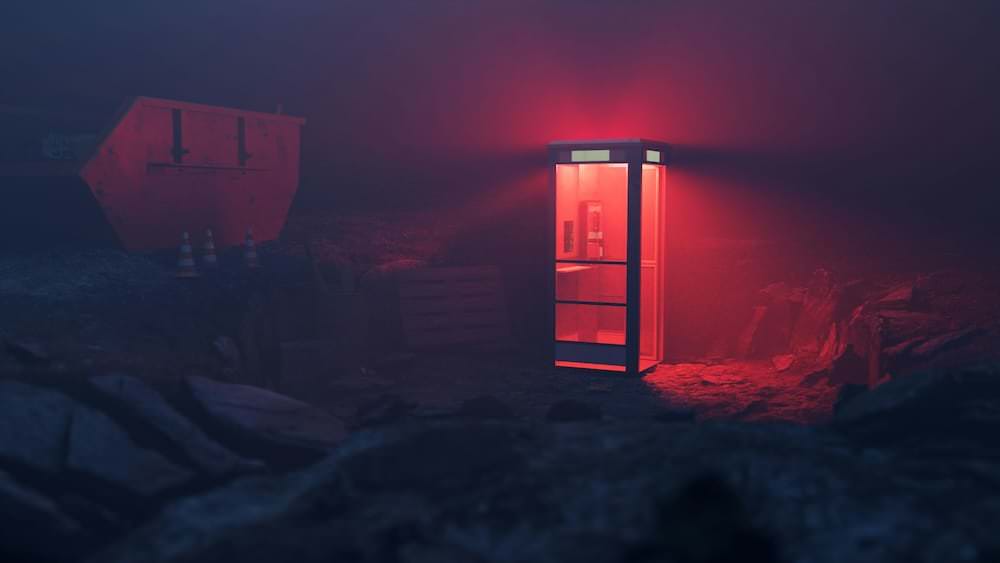
cauchemar
meaning
Cauchemar means “nightmare.”
It refers to a bad dream that brings fear, dread, or a feeling of being trapped.
It can also mean a real situation that is very hard or unpleasant.
origins
The word comes from Old French cauchemar, which has two parts.
The first part is cauch-, from Old French cauchier or caucier, meaning “to press” or “to trample.” This comes from Latin calcare, “to tread.”
The second part is -mar, from Old French mare, meaning “a spirit” or “a demon that presses on the chest while one sleeps.” That word comes from Old Dutch mare or Old High German mara, a female demon in Germanic folklore.
So cauchemar literally means “trampling demon.”
Old belief held that a demon sat on a sleeping person’s chest, causing bad dreams and the feeling of being unable to move. English “nightmare” has the same build: night + mare, where mare is the same Old English demon word.
usage
Cauchemar is masculine.
Use it for bad dreams. Use it for awful real events.
Examples:
- J’ai fait un cauchemar cette nuit.
“I had a nightmare last night.” - Son cauchemar était si réel qu’il s’est réveillé en hurlant.
“His nightmare was so real that he woke up screaming.” - Ce voyage a été un vrai cauchemar.
“This trip was a real nightmare.” - Les embouteillages le lundi matin, c’est l’enfer. Un cauchemar.
“Monday morning traffic jams are hell. A nightmare.” - Elle revit toujours ce cauchemar des années plus tard.
“She still relives that nightmare years later.” - Ne me parle pas de ce boulot. C’était un cauchemar.
“Do not talk to me about that job. It was a nightmare.”
synonyms
For a bad dream:
- mauvais rêve – “bad dream” (lighter, less strong than cauchemar)
For a terrible situation:
- calvaire – “ordeal, torment” (from Calvary, the place of the crucifixion)
- enfer – “hell”
- horreur – “horror”
- supplice – “torture, agony”
- galère – “a hard time, a struggle” (slang, from the galley ships)
Example with synonyms:
- Cette réunion était un calvaire.
“That meeting was an ordeal.” - Trouver un appartement à Paris, c’est l’enfer.
“Finding an apartment in Paris is hell.”
related words
The verb cauchemarder exists but is rare. It means “to have nightmares.”
Most French speakers say faire un cauchemar instead.
An adjective cauchemardesque means “nightmarish.”
- La situation est devenue cauchemardesque.
“The situation became nightmarish.”
summary
Cauchemar comes from Old French for “trampling demon.”
The mare is a demon, not a horse. English “nightmare” shares this demon root.
Use cauchemar for bad dreams and for awful real events.
For a lighter bad dream, say mauvais rêve. For a terrible situation, try calvaire or enfer.