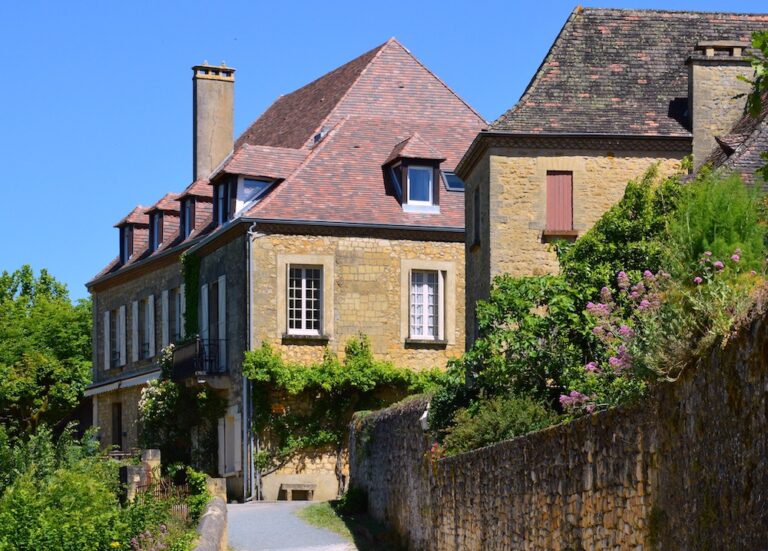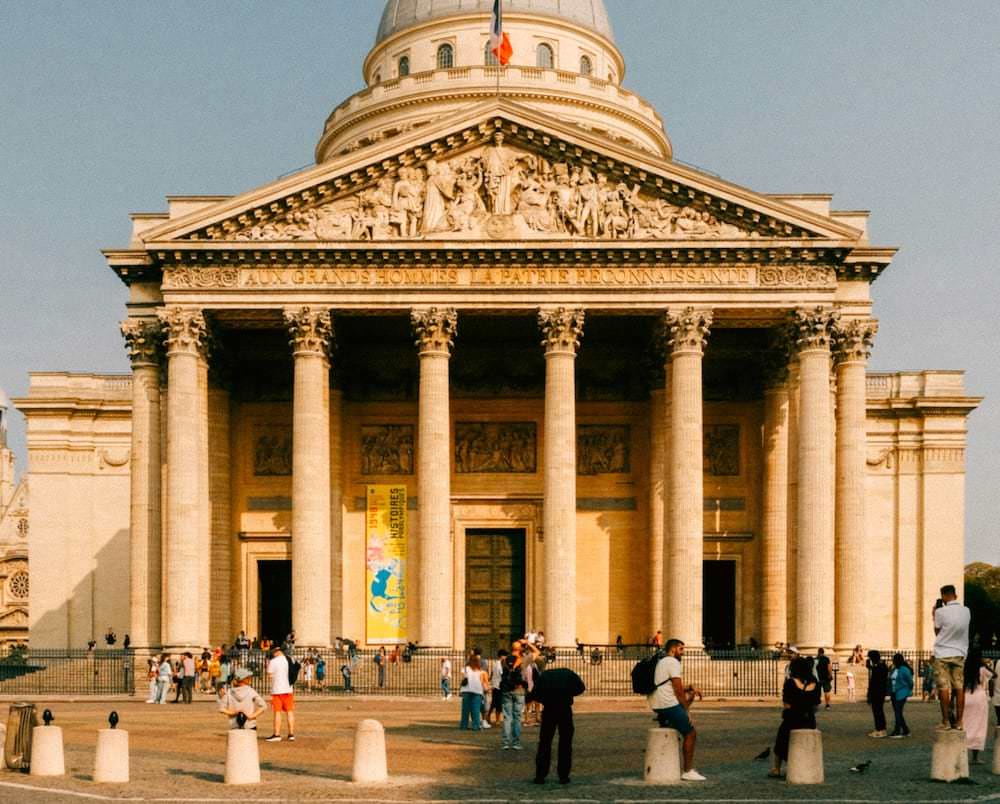
architecte vs archéologue
In modern French, the letter combination ch can represent two different sounds: a soft sound pronounced [ʃ], as in chat, and a hard sound pronounced [k], as in chaos. The difference between architecte with a soft ch and archéologue with a hard ch is not random. It comes from the historical origin of the word, depending on whether it entered French through popular Latin development or as a learned borrowing from Greek.
The two pronunciations of ch in French
French spelling preserves traces of Latin and Greek even when pronunciation evolved differently.
- Soft ch [ʃ] is the regular outcome of Latin c or ch before front vowels in words that evolved naturally in spoken French.
- Hard ch [k] appears mainly in learned or scientific words borrowed directly or indirectly from Greek, where the Greek letter chi (χ) was pronounced [kʰ].
Understanding the source language explains most apparent inconsistencies.
Architecte versus archéologue
The contrast between these two words illustrates two different transmission paths.
Architecte: soft ch
Architecte comes from Latin architectus, itself from Greek arkhitéktōn. Despite the Greek origin, the word entered French early and passed through Latin and Old French. During this process, the consonant group evolved according to normal French sound changes, resulting in a soft ch.
- Il est architecte depuis dix ans. He has been an architect for ten years.
- On cherche un architecte pour ce projet. We are looking for an architect for this project.
Related words with the same pattern include:
- architecture
- architectural
Synonyms or alternatives depend on context and are often descriptive rather than lexical equivalents:
- maître d’œuvre
- concepteur de bâtiments
Archéologue: hard ch
Archéologue is a learned formation based on Greek arkhaios meaning ancient and logos meaning study or discourse. It entered French much later, through scholarly usage, and retained the Greek value of ch as [k].
- Il est archéologue spécialisé dans la Grèce antique. He is an archaeologist specialising in ancient Greece.
- Nous rencontrons un archéologue sur le site. We meet an archaeologist at the site.
Related words that follow the same learned pattern include:
- archéologie
- archéologique
- archaïque
Possible alternative expressions include:
- spécialiste des civilisations anciennes
- chercheur en archéologie
Greek origin alone does not predict pronunciation
Greek origin is necessary but not sufficient to explain a hard ch. Timing and transmission are decisive.
Early Greek borrowings with soft ch
Some Greek derived words entered French early enough to undergo normal sound change.
Chimie is a standard example.
Chimie comes from medieval Latin chimica, from Greek khēmeía. Because the word entered French before modern scientific standardisation, ch developed as [ʃ].
- Il étudie la chimie à l’université. He studies chemistry at university.
- Ça relève de la chimie organique. This falls under organic chemistry.
Related words:
- chimiste
- chimique
Learned Greek borrowings with hard ch
Hard ch [k] is characteristic of later scholarly borrowings, particularly in technical, medical, religious, and academic vocabulary.
Common examples include:
- chaos
- chorale
- choléra
- chiropractie
- chrétien
- Christ
Example sentences:
- Ça devient le chaos. This is turning into chaos.
- Il chante [SOFT] dans une chorale [HARD]. He sings in a choir.
- Le choléra reste dangereux. Cholera remains dangerous.
- Il consulte un chiropracteur. He consults a chiropractor.
- Il est chrétien pratiquant. He is a practising Christian.
- On parle du Christ dans ce passage. This passage speaks about Christ.
In words beginning with chr-, the hard pronunciation is systematic and reflects direct borrowing from Greek khr-.
Chanter has a soft ch because it is not of Greek origin at all. It comes from Latin cantāre, meaning to sing. In the natural evolution from Latin to Old French, the Latin c before a palatalised and was written ch, which in French is pronounced [ʃ].
Apparent inconsistencies explained by chronology
French contains both soft and hard ch words of Greek origin because borrowings occurred at different periods.
- Early borrowings passed through Latin and Old French and softened.
- Later borrowings entered through scholarly channels and retained [k].
Spelling remained stable, while pronunciation diverged.
Why spelling does not adjust to pronunciation
French orthography is conservative. Once a spelling is established, it is rarely altered to reflect later pronunciation changes. As a result, ch continues to represent two sounds, and pronunciation must often be learned with the word itself, especially in academic and scientific vocabulary.
Summary
- French ch has two pronunciations: [ʃ] and [k].
- Soft ch usually reflects early transmission and regular sound change.
- Hard ch reflects later scholarly borrowing from Greek.
- Greek origin alone is insufficient to predict pronunciation.
- Architecte has a soft ch due to early Latin transmission.
- Archéologue, chrétien, and Christ have a hard ch due to learned borrowing.