terms of endearment & affection
French frequently uses terms of affection to express love, fondness, or tenderness. These expressions are common in both spoken and written French and can be directed toward partners, children, friends, or even pets. Many derive from words for food, animals, or diminutives, and they vary in tone from intimate to playful.
common terms and expressions
mon chou / chouchou
- Mon chou, tu es adorable. My darling, you are adorable.
- Viens ici, mon chou. Come here, sweetheart.
- Chouchou de la maîtresse Teacher’s favorite.
Notes:
- Literally “my cabbage,” but used affectionately.
- Chouchou can be used alone or as a diminutive for someone you like.
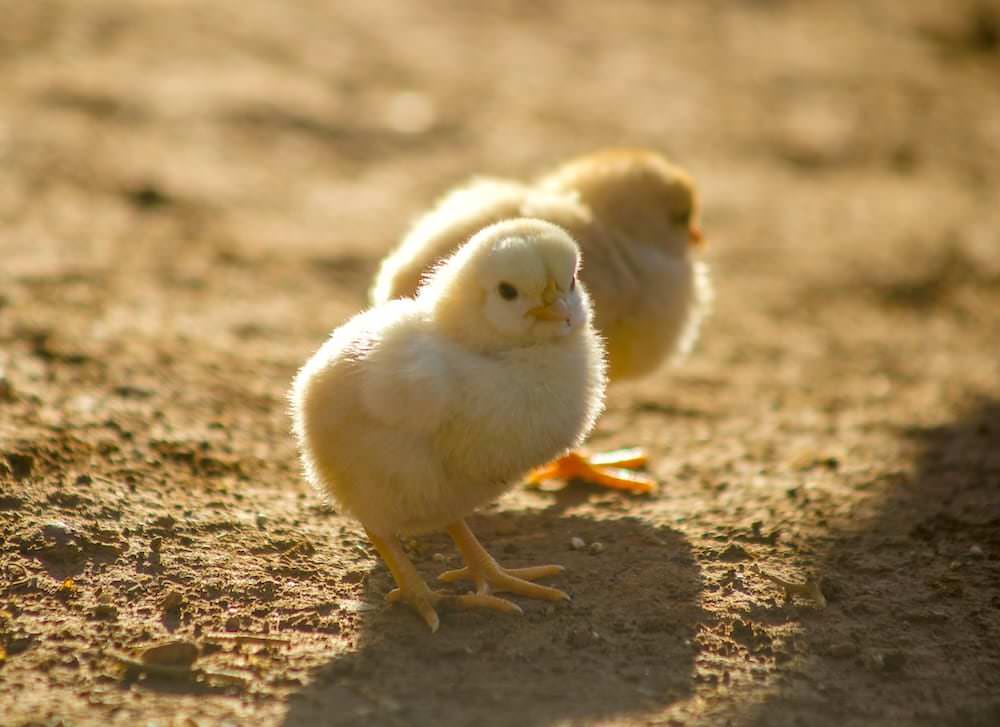
mon poussin
- Bonjour, mon poussin. Hello, my little chick.
- Ne t’inquiète pas, mon poussin. Don’t worry, my dear.
Notes:
- Literally “my chick,” conveys tenderness, often used with children or a partner.
mon coeur / mon petit coeur
- Tu es mon coeur. You are my heart.
- Dors bien, mon petit coeur. Sleep well, my little love.
Notes:
- Expresses emotional intimacy; common between couples.
- Literally “my heart”
mon lapin / lapin
- Viens ici, mon lapin. Come here, my bunny.
- Mon lapin, tu es mignon. My bunny, you are cute.
Notes:
- Animal terms are common in French endearments; bunny conveys sweetness.
- Literally “my rabbit”
mon chat / ma chatte
- Mon chat, tu as bien dormi ? My cat, did you sleep well?
- Viens, ma chatte. Come here, sweetheart.
Notes:
- Literally “my cat”; often affectionate for partners.
- Careful with “ma chatte,” which can have other meanings in slang, such as “my pussy.”
mon ange
- Bonne nuit, mon ange. Good night, my angel.
- Tu es mon ange. You are my angel.
Notes:
- Used to express admiration or gentle affection.
- Literally “my angel”
mon trésor
- Tu es mon trésor. You are my treasure.
- Prends soin de toi, mon trésor. Take care, my treasure.
Notes:
- Suggests value and fondness; suitable for children or romantic partners.
- Literally “my treasure”
mon bijou / mon petit bijou
- Tu es mon bijou. You are my jewel.
- Regarde ça, mon petit bijou. Look at that, my little gem.
Notes:
- Conveys endearment through preciousness.
- Literally “my jewel”
mon chou / mon petit chou
- Merci, mon petit chou. Thank you, my little darling.
- Tout va bien, mon chou ? Everything alright, sweetheart?
Notes:
- Often used in everyday speech for light affection.
- Literally “my cabbage”
other common diminutives and playful terms
- Mon poussinou. My little chick
- Mon minou. My kitty / sweetheart
- Ma puce. My flea (used for children or partner)
- Mon canard. My duck
- Mon doudou. My cuddly toy / comfort object
Examples:
- Viens ici, ma puce. Come here, sweetie.
- Tu es mon doudou. You are my comfort.
- Mon canard, tu es drôle. My duck, you are funny.
usage notes
- These terms can be intimate or playful, depending on context.
- Many derive from diminutives or cute animal names.
- Some are gender-specific (mon/ma) but often used playfully regardless of literal gender.
- French speakers often repeat or double the term for emphasis: mon petit chou, mon chou.
summary
French endearments include food-based, animal-based, and diminutive terms, commonly used with children, partners, or close friends. Mon chou, mon poussin, mon coeur, mon lapin, and similar expressions convey affection and tenderness. Repetition, diminutives, and playful forms like mon doudou or ma puce are frequent. Choosing the right term depends on relationship, intimacy, and context, but they are an essential part of everyday affectionate language in French.