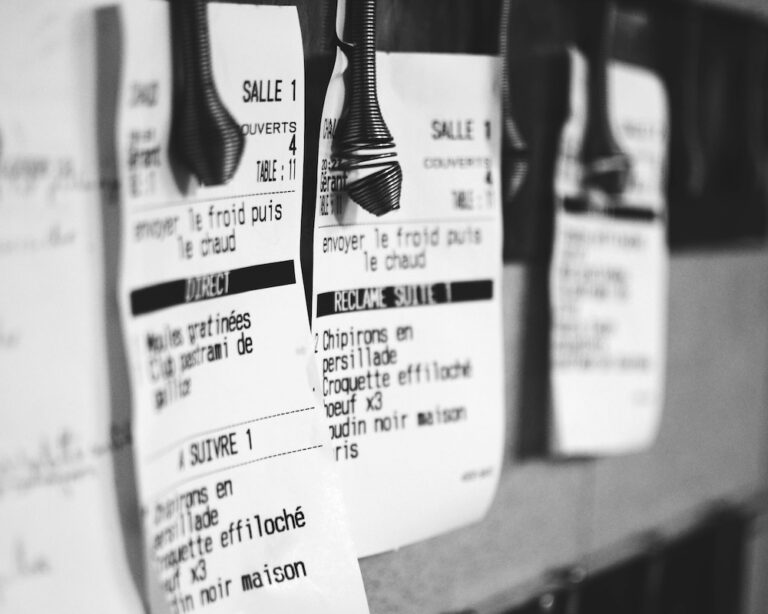
waiting for the penny to drop
Not all English idiomatic expressions have a direct French translation. It is a common mistake to translate an English expression directly into French. This can cause confusion for the listener, leading to total bafflement or misunderstanding.
The English idiom “waiting for the penny to drop” describes the moment when someone finally understands something that wasn’t immediately clear. It often suggests a slight delay between hearing or seeing something and fully grasping its meaning or implications.
This expression originates from old British coin-operated machines, where a penny would sometimes take a moment to fall into place after being inserted—mirroring the mental process of delayed comprehension.
Is there a direct French equivalent?
There is no direct French translation that uses the same metaphor, but the idea it conveys—of a delayed realization or a moment when someone finally “gets it”—does exist in French through different expressions and phrases.
1. Comprendre (enfin)
A simple and often-used verb in French to express the moment of understanding is comprendre, often with an adverb to highlight the delay.
- Il a mis du temps, mais il a enfin compris.
(It took him a while, but he finally understood.) - Je voyais qu’elle n’avait pas encore compris ce qui se passait.
(I could see that she hadn’t realized what was going on yet.)
While this doesn’t capture the idiomatic flavour of the English phrase, it effectively describes the same situation.
2. Faire tilt
The informal expression faire tilt comes closer in tone to the English idiom and implies that something has suddenly clicked or made sense.
- Quand il a vu la photo, ça a fait tilt.
(When he saw the photo, it clicked.)
This phrase emphasizes the moment of realization rather than the wait leading up to it, but it’s often used in a similar context.
3. La lumière s’est allumée
Another colloquial way to express this in French is metaphorical, drawing on the image of a light turning on—symbolizing understanding.
- On aurait dit qu’une lumière s’était allumée dans sa tête.
(It was like a light went on in his head.)
Again, this is more about the result than the wait, but learners may find it useful when translating idioms that deal with sudden realization.
How to translate “I’m just waiting for the penny to drop”
In French, you might need to rephrase this depending on the context, since the idiom isn’t directly translatable. Here are a few natural equivalents:
- J’attends qu’il comprenne enfin.
(I’m waiting for him to finally understand.) - Je sens qu’elle n’a pas encore réalisé.
(I can tell she hasn’t realised yet.) - Je pense qu’il n’a pas encore fait le lien.
(I think he hasn’t made the connection yet.) - J’attends le moment où ça fera tilt.
(I’m waiting for the moment it clicks.)