pour des prunes

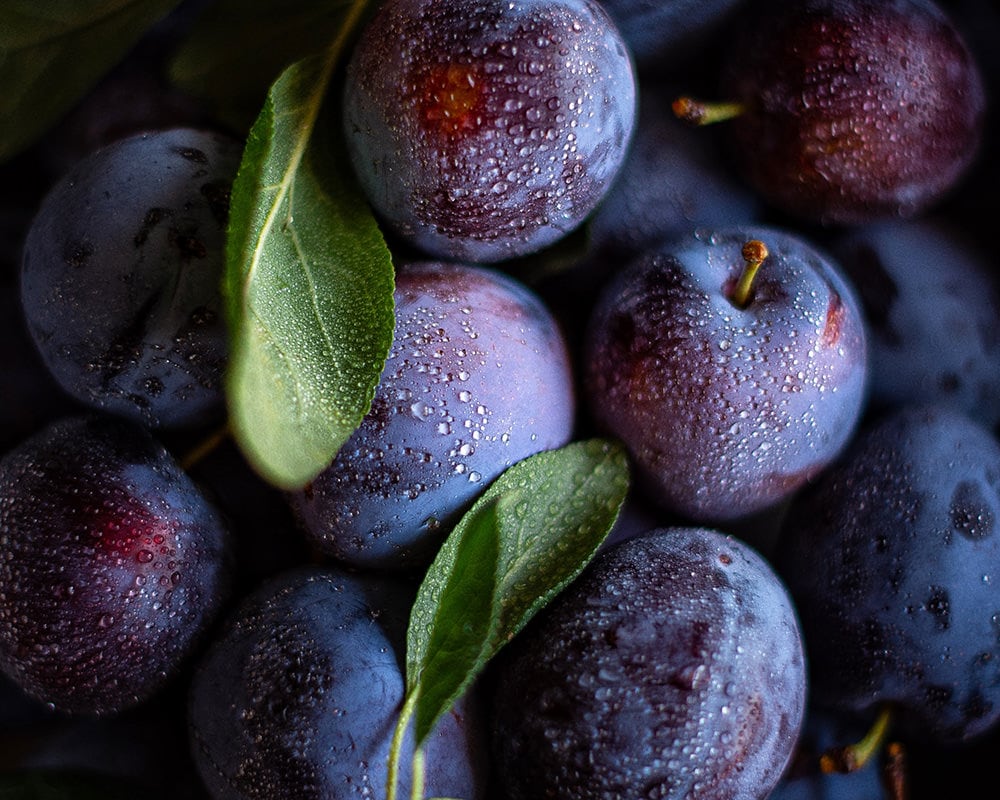
“Pour des prunes” is a French expression that literally means “for plums.” Its closest English equivalent is “for nothing.” The saying dates from the start of the 16th century.

However, the association of plums with a complete lack of value dates back to the end of the Second Crusade, which finished around 1150 AD and was generally a failure. The Crusaders brought back some plum trees from Damascus and showed them to the King, who was angered that the Crusaders had achieved nothing more of value than acquiring a few plum trees, which were something they could have had easily in Europe, without having to go on a Crusade to the Holy Land. Since then, the plum has been associated with something of little or no value, however delicious they might be.


Don’t miss out on new posts – subscribe now!

Don’t miss new articles!

Get 1 email a week with new articles about French

We don’t spam! Read more in our privacy policy

Similar Posts

  • violon d’Ingres

    The French saying “violon d’Ingres” literally translates as “violin of Ingres.” What it really means is “hobby,” “pastime,” or “an activity that you enjoy outside your main job.” Jean-Auguste-Dominique Ingres was a 19th century painter who created a number of famous works, including Grande Baigneuse (1808), Oedipus and the Sphinx (1808), and La Grande Odalisque…

  • Days of the week

    It’s important to know the days of the week in French. Each day has an English translation. Each day also has an original meaning, which may sometimes help you to remember it. French English Original French meaning lundi Monday Day of the Moon mardi Tuesday Day of Mars mercredi Wednesday Day of Mercury jeudi Thursday…

  • mouche expressions

    The word “la mouche” means “the fly” in French. Here is a summary of French idiomatic expressions that use “mouche.” Faire mouche Literal meaning: To hit the flyFigurative meaning: To hit the target exactly; to be spot onOrigin: From archery or shooting. La mouche was the black center of the target.Example: Son commentaire a fait…

  • roman

    What does the French word “roman” mean? Is it someone from Ancient Rome? Is it someone who lives in modern Rome? It’s neither – “roman” is the masculine noun meaning “novel” or “fiction” or “books.” “Le roman” also means “The Romanesque” period of architecture, from the 11th and 12th centuries AD. It can also refer…

  • vouloir

    The French verb “vouloir” is a very important and frequently used verb. It means “to want.” It is often used with other verbs, eg “to want to do.” As such, it is described as an auxiliary verb, or helper verb, because it is useful when combined with other French verbs. Below are the conjugations for…