tourner autour du pot

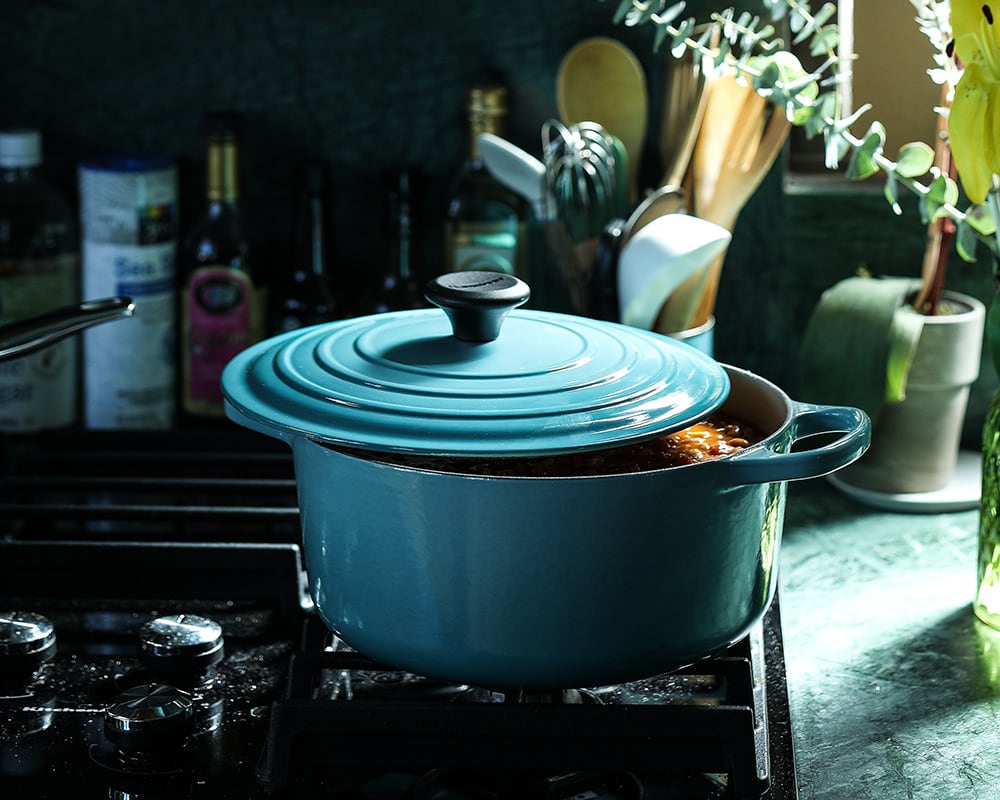
“Tourner autour du pot” is a French idiom that literally means “to turn around the pot.” In plain English, it means to hesitate, to avoid the main topic, to seek advantage in a roundabout way, or to procrastinate.

This saying dates from the 15th century, when it originally meant someone who seeks to gain undue advantage. Then, from the 19th century, it also started to mean someone who doesn’t express himself directly.

Similar English expressions include “to beat around the bush,” “to pussyfoot around,” or “to not cut to the chase.”


Don’t miss out on new posts – subscribe now!

Don’t miss new articles!

Get 1 email a week with new articles about French

We don’t spam! Read more in our privacy policy

Similar Posts

  • |

    comme

    The French word “comme” can function either as an adverb or as a conjunction. Adverb As an adverb, “comme” means “how.” Another word that is used similarly is “que.” Conjunction Comme as a conjunction can mean “as” or “like.” Idiomatic expressions Etymology: The word “comme” comes from the Latin word “quam.” In Old French, it…

  • coeur d’artichaut

    “Coeur d’artichaut” is a French saying that translates literally as “heart of artichoke” or “artichoke heart.” What it really means is someone who falls in love easily, or it can also mean someone who is fickle in love. An artichoke is a vegetable with tough leaves on the outside and a much softer centre. Comparing…

  • Verb: manquer à

    The French verb “manquer à” means “to miss (someone)” “Manquer” is a regular “-er” verb. In fact it has several meanings, but one of its main meanings is to miss someone, in the sense of wishing that they were here. In this construction, it is used with either “à” or a indirect object pronoun. Examples…

  • verb: toucher

    The French verb “toucher” has a few different meanings. Not all of them are obvious. It can mean “to touch,” “to hit,” “to affect,” “to be next to,” “to get,” “to receive,” or “to win.” “Le toucher” is also a masculine noun meaning “the touch” or “the sense of touch.” to touch to hit to…

  • g pronunciation

    The letter “g” can be pronounced in two different ways in French. It can be hard, like the first “g” in the word “garage,” which is both a French word and an English word. Or it can be soft, like the last “g” in “garage.” How do you know whether a “g” will be hard…

  • se passer

    The French verb “se passer” means “to happen” or “to take place.” Conjugation in the Present Tense: “Se passer” is a reflexive verb, used impersonally with “il,” “ça” or “ils.” It is not used with other subjects such as je, tu, elle, etc. Conjugation in the Passé Composé: “Se passer” is a reflexive verb, used…