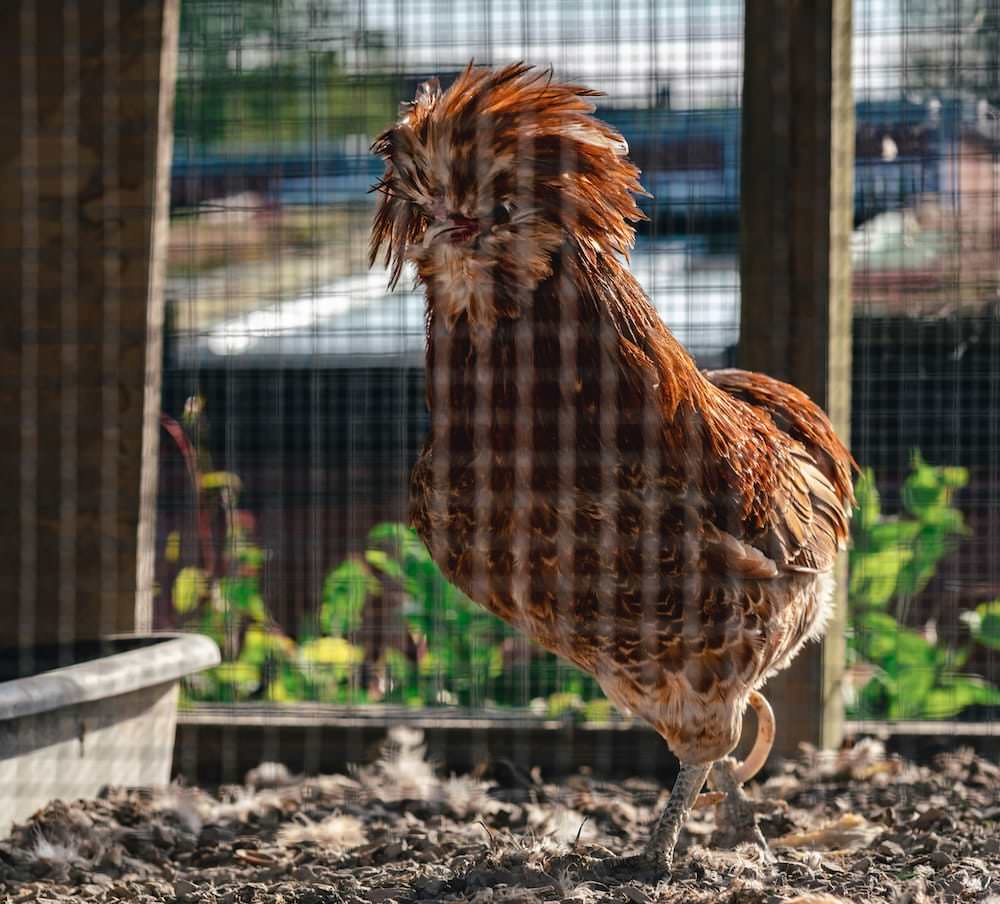
farfelu
The French adjective farfelu describes someone or something that is eccentric, whimsical, odd, or unconventional. It can convey a lighthearted, playful sense of strangeness, or sometimes imply impracticality or silliness. The feminine form is farfelue, and it can also function as a noun to describe a person with these characteristics.
Meaning and usage
Eccentric or whimsical
Farfelu often describes people, ideas, or projects that are imaginative, unusual, or out of the ordinary.
Examples:
- Il a toujours des idées farfelues. He always has quirky ideas.
- Ce roman est plein de personnages farfelus. This novel is full of eccentric characters.
- Ils ont organisé une fête farfelue avec des costumes étranges. They organised a whimsical party with strange costumes.
Synonyms or alternative expressions:
- Bizarre
- Excentrique
- Original
- Insolite
Impractical or slightly absurd
Farfelu can imply that something is not only unusual but also unrealistic, impractical, or illogical.
Examples:
- Ton projet de construire une maison dans un arbre est un peu farfelu. Your plan to build a house in a tree is a bit far-fetched.
- Il a proposé une solution farfelue au problème. He suggested an absurd solution to the problem.
- Nous avons ri de ses idées farfelues. We laughed at his ridiculous ideas.
Synonyms or alternatives:
- Absurde
- Inconcevable
- Ridicule
As a noun
Farfelu (masculine) or farfelue (feminine) can be used as a noun to describe a person who behaves eccentrically.
Examples:
- C’est un farfelu, mais on l’apprécie. He is an eccentric person, but we like him.
- Il est un farfelu qui invente toujours des gadgets étranges. He is an eccentric person who always invents strange gadgets.
Common expressions
- Idée farfelue unusual or whimsical idea.
- Projet farfelu impractical or eccentric project.
- Personnage farfelu quirky or eccentric character.
Summary
- Farfelu describes eccentricity, whimsy, or impracticality.
- Feminine form: farfelue.
- Can function as both an adjective and a noun.
- Synonyms include bizarre, excentrique, absurde, insolite.
- Usage applies to people, ideas, projects, and events.