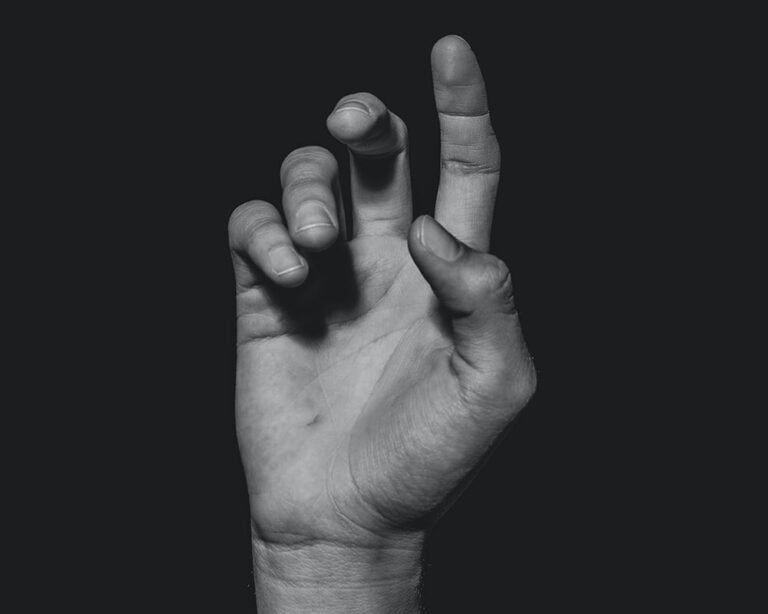
tenir le bon bout

“Tenir le bon bout” is a French idiom that literally means “to hold the right end.” It means to be on the point of success, to be in the middle of succeeding in a process, to have the advantage, to be about to succeed in a mission, to reach the end of a project or to be in a good position.

The saying comes from a 15th century expression “prendre quelque chose par le bon bout” which meant to take something in the right way or by the correct side. In the 17th century, it came to mean “to already have guaranteed advantages in a situation.”

The English equivalent of this saying is “to be on the right track.”

Of course, if you’re a dog, the right end of the stick is in fact the middle, not one end or the other.
Don’t miss out on new posts – subscribe now!

Don’t miss new articles!

Get 1 email a week with new articles about French

We don’t spam! Read more in our privacy policy

Similar Posts

  • Verb: réussir

    The French verb “réussir” means “to succeed,” but it can also mean “to achieve,” “to carry off (something) successfully,” “to win,” or “to pass (an exam).” Etymology: The word “réussir” was borrowed in the early 16th century from the Italian verb “riuscire,” meaning “to re-issue” or “to go out again.” The Italian “riuscire,” is made up…

  • revenir

    The French verb “revenir” has several meanings and uses. It basically means “to come back,” since it is based on the verb “venir,” meaning “to come.” Here are some of the primary meanings:

  • le tour & la tour

    Unraveling the Distinction: “Le Tour” vs. “La Tour” in French There are a few words (homonyms) in French where the same word with the same spelling exists, but there is one meaning for the masculine version and a completely different meaning for the feminine version. So when speaking or listening, it is important to distinguish…

  • |

    -al words

    French words that end in the letters “al” can be a trap for learners. That’s because in the plural, they change their spelling to “aux.” The classic example is “un cheval,” which in the plural becomes “des chevaux.” But this applies to every single noun and adjective ending in the letters “al.” Nouns are relatively…