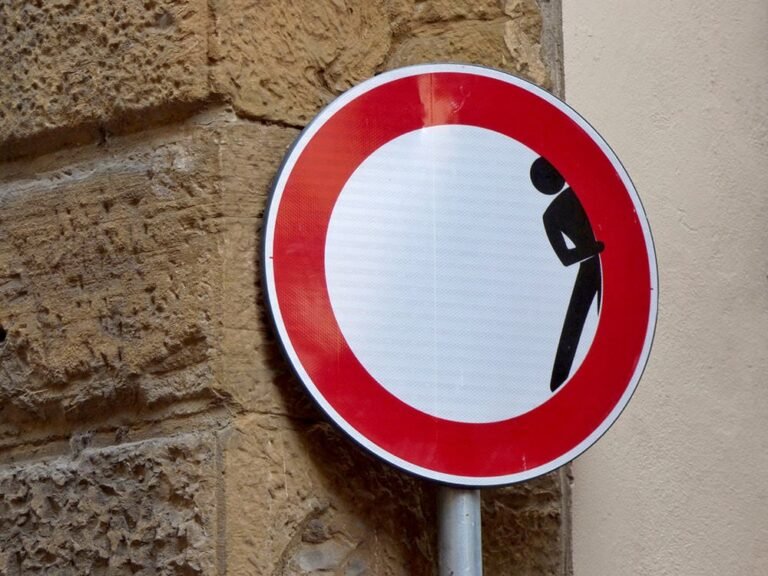
sur les chapeaux de roues

“Sur les chapeaux de roues” is a French saying that literally translates as “on the hats of the wheels.” A better translation would be “on the hubcaps.” It is a way of saying “at high speed.”

If a vehicle travels at high speed and goes around a curve or a corner, it will tend to lean over to one side. The wheels too will lean over. If the car corners hard enough, it may even appear as if the hubcaps are touching the road surface. This is more often seen in cartoons and animations than in real life, but the analogy remains.

The origin of this idiom is unknown but it is likely to be sometime after the invention of the automobile.

Equivalent English expressions include “pedal to the metal,” “to go hell for leather,” or “at breakneck speed.”

Don’t miss out on new posts – subscribe now!

Don’t miss new articles!

Get 1 email a week with new articles about French

We don’t spam! Read more in our privacy policy

Similar Posts

  • Colours

    Colours in French are adjectives. They are placed after the noun they describe. So a blue sky is “un ciel bleu.” They must also agree in number and gender with the noun they describe. So “purple flowers” would be “des fleurs violettes.” Colour Masculine Feminine black noir noire white blanc blanche red rouge rouge blue…

  • think

    There are a few different ways to say “to think” in French. You can use verbs like “penser,” “songer,” “réfléchir,” “croire,” or “considérer.” penser Penser means “to think.” It is related to the English word “pensive,” someone who is thoughtful or in deep thought. It can be used with “à” to mean “to have in…

  • amener, apporter, emmener, emporter

    The French verbs “amener,” “apporter,” “emmener” and “emporter” are used to translate the English verbs “to take” and “to bring.” But which one should you use? And what happened to “prendre?” mener Both “amener” and “emmener” are based on the verb “mener,” which means “to lead.” You can lead a person, an animal or a…

  • à huis clos

    “à huis clos” is a French saying that means in private, with all doors closed, in secret. It is an expression dating from the middle of the 16th century, meaning “with doors closed.” “Huis” is an old 11th century word for door, now replaced by the word “porte.” The original word for door was “us,”…