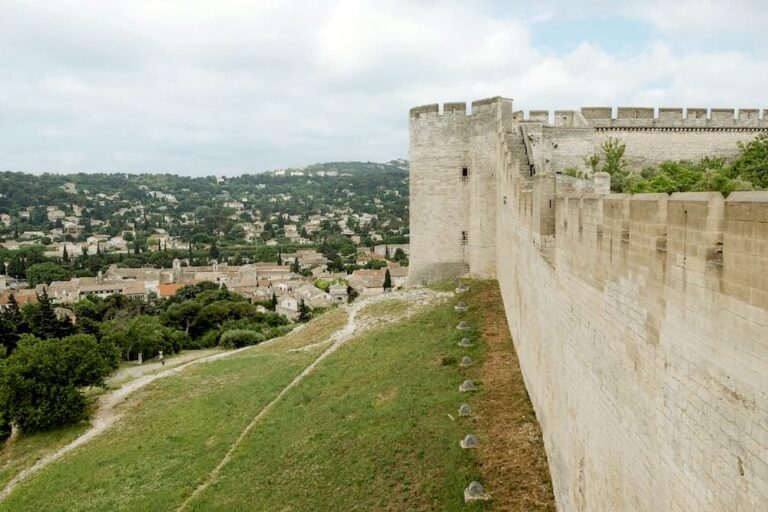
prêcher dans le désert

“Prêcher dans le désert” means to speak without being heard, to speak to those who don’t want to listen, or to speak uselessly to people who don’t want to allow themselves to be convinced. Literally, it means “to preach in the desert” and is an evocative saying.

This expression dates from the 18th century. It doesn’t mean that the person is speaking in an empty desert, however, but rather that those around him are unwilling to listen.

It comes from a mistaken transcription of two books of the Bible. In the first, it is said of Isaiah that “a voice cries: in the desert, prepare the way for Yahweh.” But this became “a voice cries in the desert,” implying futility and total lack of success in communicating.

In the Gospels, John the Baptist was preaching in a desert area on the banks of the River Jordan. He was compared to the misunderstood Isaiah, but in fact John the Baptist had succeeded in drawing many people who wanted to be baptised in the River Jordan.

Equivalent English expressions include “a voice in the wilderness,” “a voice crying in the wilderness,” or “to fall on deaf ears.”

Don’t miss out on new posts – subscribe now!

Don’t miss new articles!

Get 1 email a week with new articles about French

We don’t spam! Read more in our privacy policy

Similar Posts

  • Boire en Suisse

    “Boire en Suisse” means to drink alone, to eat alone, to do something without inviting friends or even to do something in Switzerland. Literally it means to drink in Switzerland, but “en Suisse” can either mean “in Switzerland” or “like a Swiss person.” It comes from an expression dating back to around 1800. This was…

  • semaine des quatre jeudis

    A “semaine des quatre jeudis” means “never,” “something impossible,” “something that will never happen.” Literally it means “a week with four Thursdays,” implying that Friday and therefore the weekend will never come. This expression is quite old, having been around since the end of the 15th century, when it was known as “la semaine à…

  • humour vs humeur

    Both “humour” and “humeur” are French nouns. But they mean different things. “L’humour” (masculine) means “the humour” or “the comedy.” It corresponds fairly closely to the English word “humour” (or “humor,” in US English). In French culture, especially cultivated and sophisticated French culture, “wit” was seen as more important. The French idea of “wit” is…