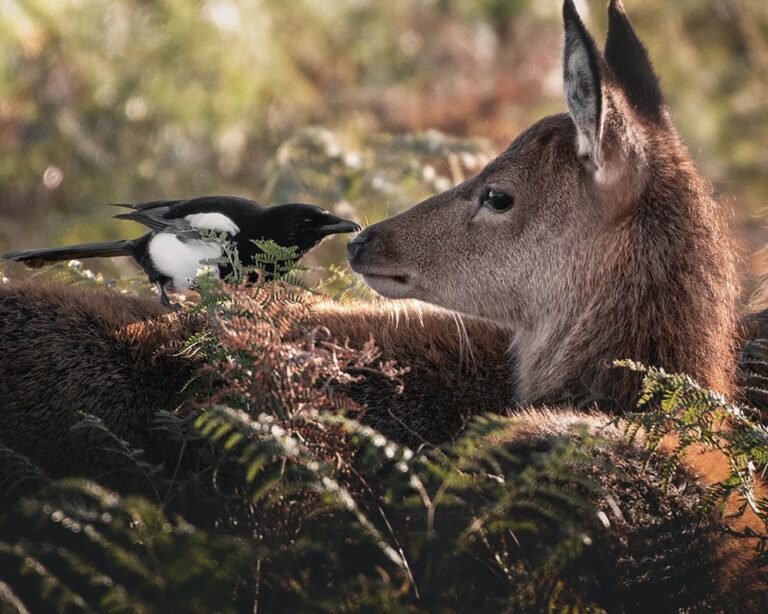
L’arbre qui cache la forêt

“L’arbre qui cache la forêt” – what does this French expression mean? Literally it translates as “the tree that hides the forest.” In English, you would refer to someone who “can’t see the forest for the trees” or who “can’t see the wood for the trees.” Someone who gets caught up in details that prevent them from perceiving the whole. Learn more interesting French expressions like this and learn to speak French fluently. Book now and see for yourself how easy it can be.
Don’t miss out on new posts – subscribe now!

Don’t miss new articles!

Get 1 email a week with new articles about French

We don’t spam! Read more in our privacy policy

Similar Posts

  • semaine des quatre jeudis

    A “semaine des quatre jeudis” means “never,” “something impossible,” “something that will never happen.” Literally it means “a week with four Thursdays,” implying that Friday and therefore the weekend will never come. This expression is quite old, having been around since the end of the 15th century, when it was known as “la semaine à…

  • tenir la jambe

    The French saying “tenir la jambe” means literally “to hold the leg.” What it means figuratively is “to hold someone back or to delay someone by saying lots of boring or irrelevant things to them.” This conjures up images of trying to get away from someone who insists on telling you something, even though you…

  • avoir lieu

    Understanding the French Expression “Avoir lieu” “Avoir lieu” is a common French expression that literally translates to “to have place” but is used in everyday language to mean “to take place” or “to happen”. Literal Meaning If you break down the expression: However, it’s important to note that “avoir lieu” does not mean “to have…

  • pousser

    The French verb “pousser” means “to push,” “to move,” “to push aside,” “to let out,” or “to grow,” among a variety of different meanings. The green sign in the photo means “Push to open.” To push: “Pousser” mainly means to push or shove. To grow: Expressions and Idiomatic Usage: Etymology: The French verb “pousser” traces…