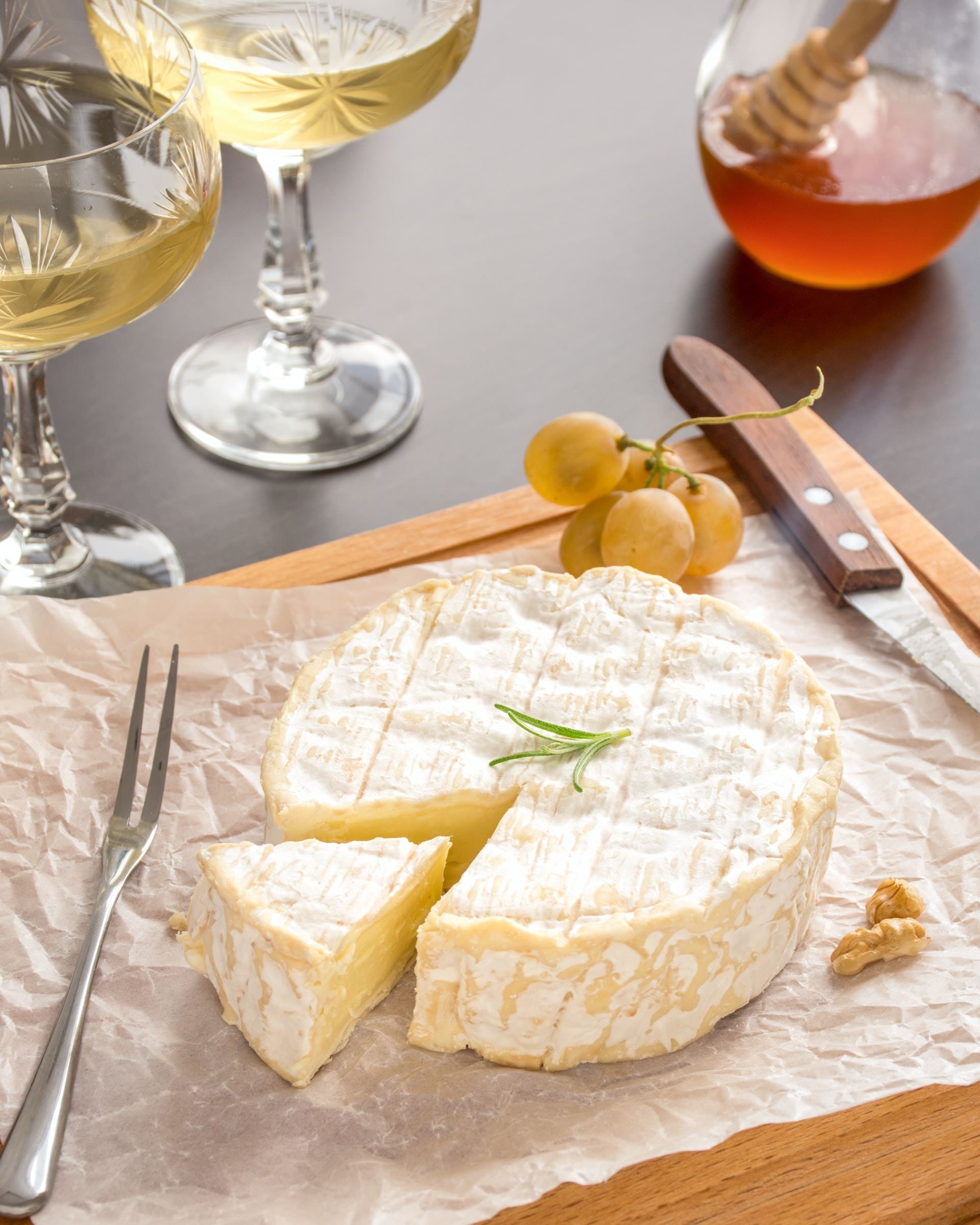
En faire tout un fromage

“En faire tout un fromage” literally means “to make a whole cheese out of it.” Which doesn’t make a lot of sense in English, of course. But its real meaning is “to make a mountain out of a molehill.” It refers to making a big story out of a small or insignificant thing or event, to getting worried about things of little importance, and of enlarging a minor difficulty way beyond its actual significance.

It comes from the cheese making process, which starts with a simple thing like milk and which ends with a delicious cheese at the end. However, a great deal of work and elaboration need to be done in order to arrive at the final product.

It seems that English speakers are more interested in moles and molehills, while French speakers are more interested in cheese.

Don’t miss out on new posts – subscribe now!

Don’t miss new articles!

Get 1 email a week with new articles about French

We don’t spam! Read more in our privacy policy

Similar Posts

  • battre la campagne

    “Battre la campagne” is a French saying that literally means “to beat the countryside.” What it really means is “to talk nonsense,” “to rant,” or “to travel over large areas in search of something or someone.” It comes from a practice used by hunters of getting servants or friends to use sticks to beat bushes…

  • avoir

    The second most frequently used verb in French is “avoir,” which means “to have.” It can also be used to talk about how old someone is. “Avoir” is an essential verb to know. “Avoir” is also used to express age. For instance:

  • les anglais ont débarqué

    This French idiom means literally, “the English have disembarked.” From 1815 to 1820, the English Army, wearing their traditional red uniforms, occupied France in their war against Napoléon. After they left, Parisians started using this phrase to mean, “to have her period,” since the flow of unwelcome English invaders wearing red coats resembled red menstrual…

  • | | |

    verb: s’attendre à

    The French verb “s’attendre à” means “to expect” or “to anticipate.” “S’attendre à” vs. “Attendre” The primary difference between “s’attendre à” and “attendre” is that “s’attendre à” is reflexive (or “pronominal” as we say in French) and “attendre” is not. While “attendre” means “to wait for” or “to await,” “s’attendre à” means “to expect” or…