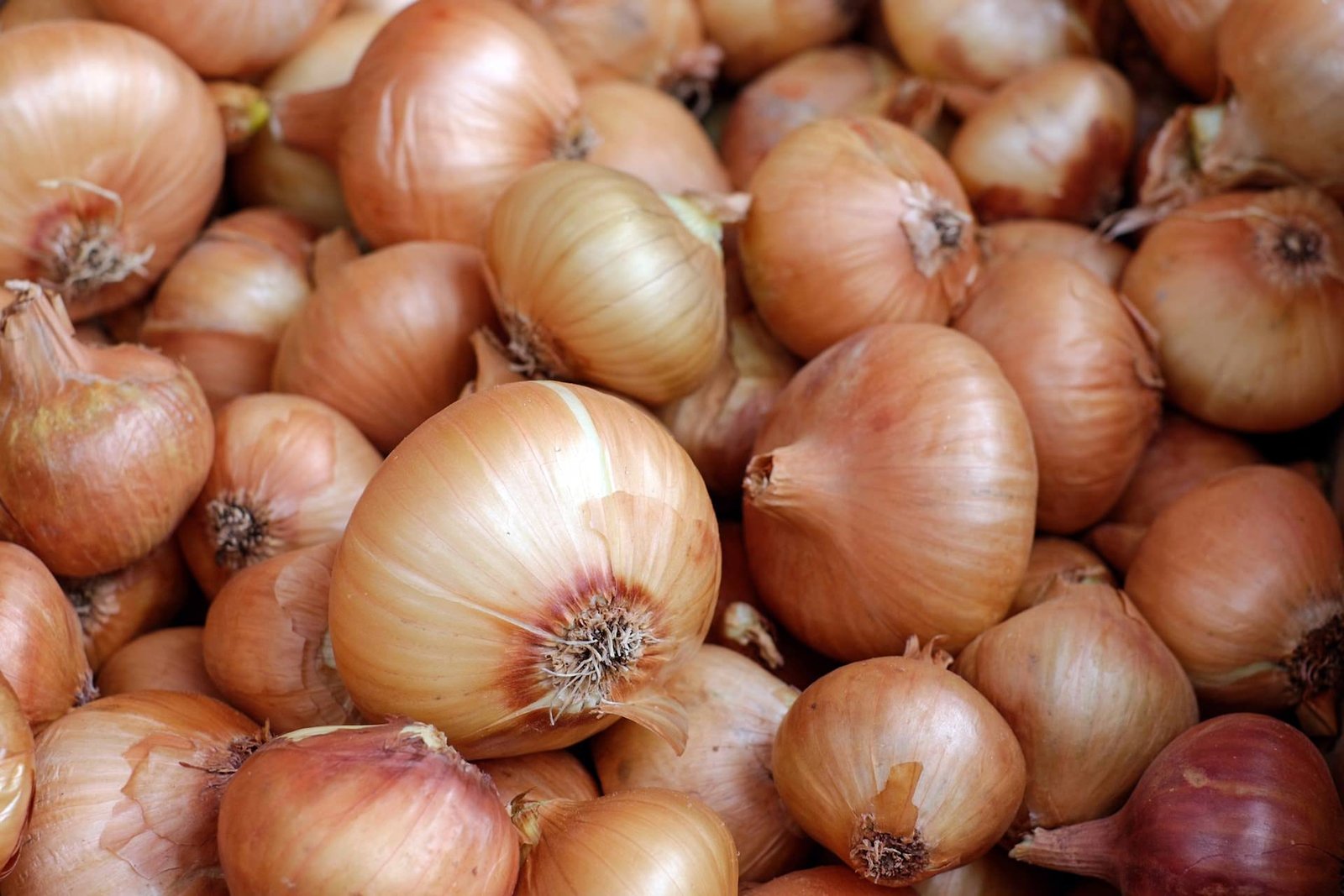
onions

Occupe-toi de tes oignons

Literally this expression means “occupy yourself with your onions.” But it translates into English as “Mind your own business.” It is sometimes abbreviated to “c’est pas tes oignons” or simply “pas tes oignons” (none of your business, or “not your onions”).

One theory as to the origin of this expression comes from the word “l’oigne,” which in 19th century French argot (slang) could mean the anus, the butt or the feet. This may be why there are other related expressions like “occupe-toi de tes fesses” (mind your own buttocks) and “occupe-toi de tes pieds” (mind your own feet).


Don’t miss out on new posts – subscribe now!

Don’t miss new articles!

Get 1 email a week with new articles about French

We don’t spam! Read more in our privacy policy

Similar Posts

  • mine de rien

    “Mine de rien” is a popular French expression that is used in everyday conversations. Literally translated, it means “appearance of nothing,” “expression of nothing,” or “look of nothing,” but its true meaning goes beyond its literal interpretation. This expression is often used to describe someone’s behavior or attitude when they are doing something in a…

  • aller à la selle

    The French idiom “aller à la selle” means literally “to go to the saddle.” But it doesn’t really have anything to do with horse riding. What it literally means is “to go to the toilet,” or “to have a bowel movement.” The saying is somewhat dated, so it is not used very frequently these days,…

  • être en train de

    In French, there is no direct equivalent to the English present continuous (“I am eating”) or past continuous (“I was eating”). Instead, French speakers use the construction “être en train de” + infinitive to emphasize that an action is (or was) in progress. This guide will cover how to use it in both the present…