Faire vinaigre

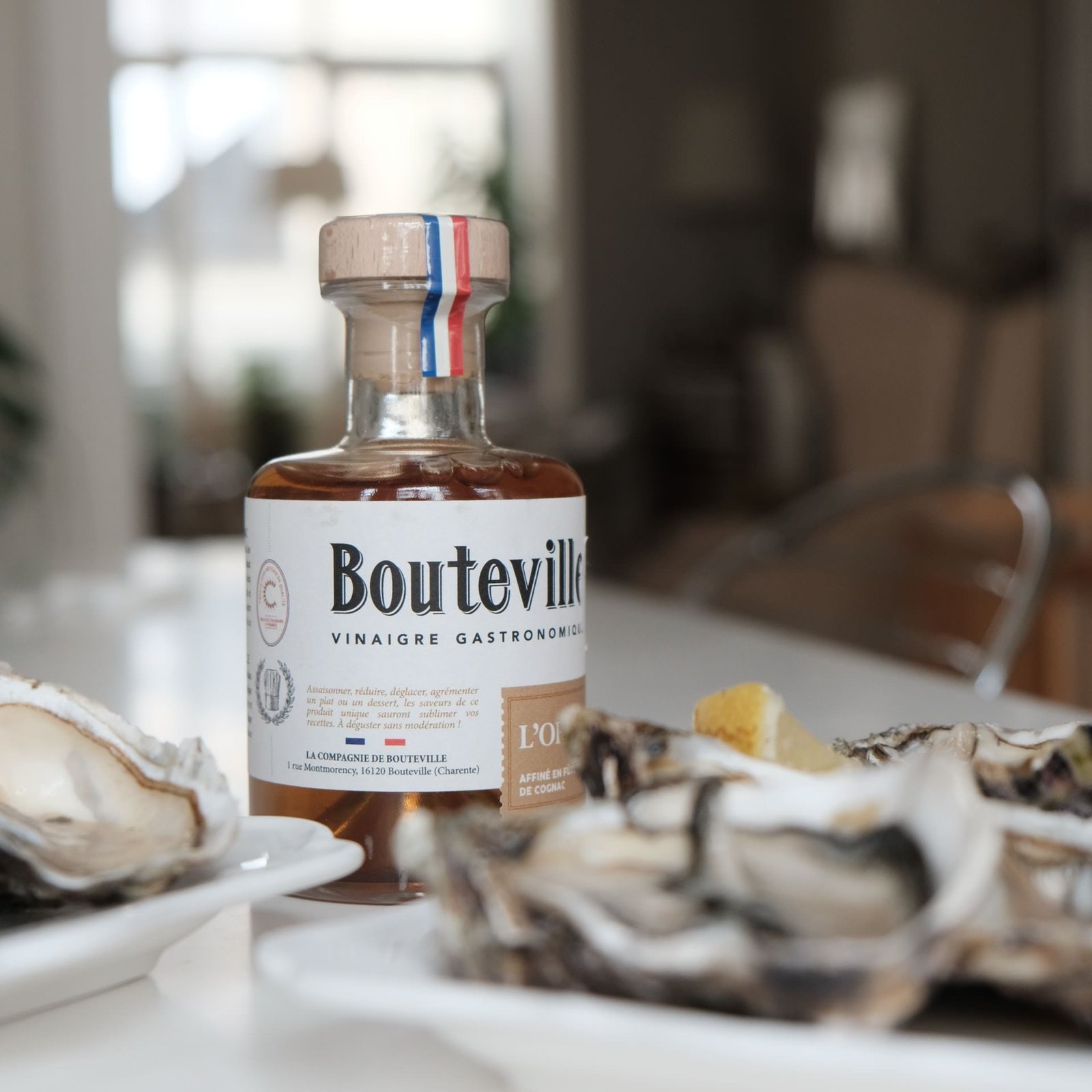
“Faire vinaigre” means literally to “make vinegar.” What could “make vinegar” possibly mean? It means to hurry up, to go faster. It’s also used by kids playing jump rope to indicate that they want the rope holders to turn the rope faster.

The jump rope usage gives a clue as to the origin of this idiomatic expression. Turning the rope slowly mimics the action of oil, which flows slowly. Turning the rope faster is like vinegar, which flows quickly. This language in relation to jump rope dates back to the early 1800s. About a century later, the expression “faire vinaigre” came into more widespread usage.


Don’t miss out on new posts – subscribe now!

Don’t miss new articles!

Get 1 email a week with new articles about French

We don’t spam! Read more in our privacy policy

Similar Posts

  • verb: craindre

    Meanings of “Craindre”: The French verb “craindre” primarily translates to “to fear” or “to be afraid.” However, its meanings extend beyond mere fear, encompassing a spectrum of related emotions: Conjugation in Present and Passé Composé: “Craindre” belongs to the third group of French verbs, which are often irregular in their conjugations. Here is how “craindre”…

  • avoir

    The second most frequently used verb in French is “avoir,” which means “to have.” It can also be used to talk about how old someone is. “Avoir” is an essential verb to know. “Avoir” is also used to express age. For instance:

  • mettre en boîte

    The French idiom “mettre en boîte” means literally “to put in a can” or “to can.” Figuratively however it means “to make fun of someone,” “to annoy,” “to tease,” or “to kid.” The saying dates back to the end of the 19th century, when “to can” meant “to mock” or “to whistle disapprovingly at.” The…