mettre en boîte

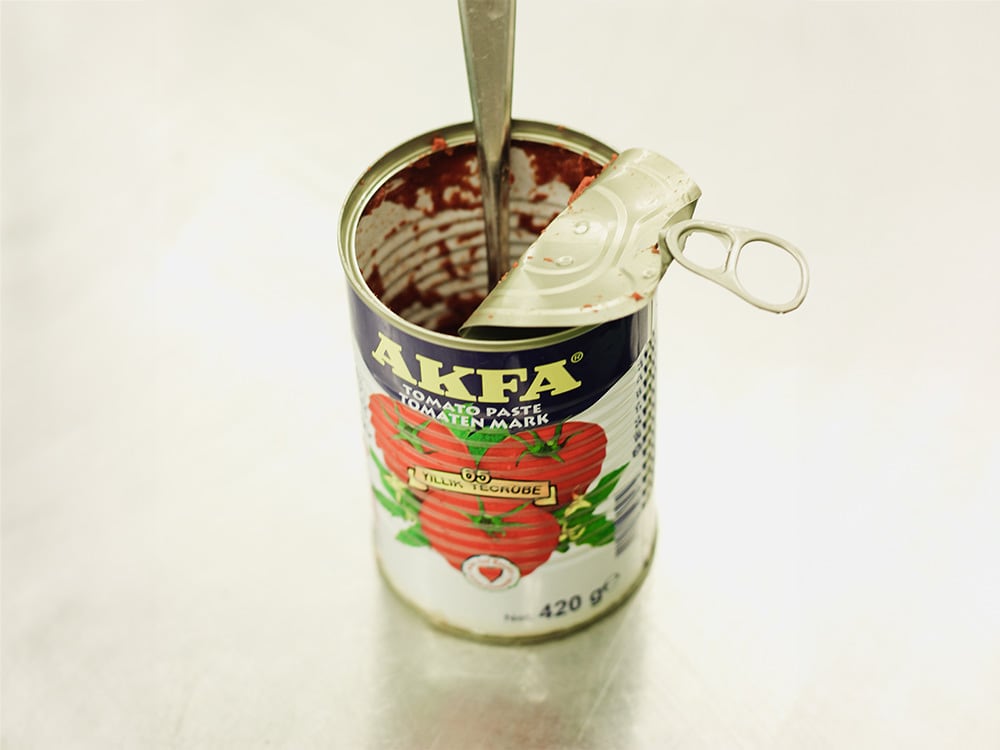
The French idiom “mettre en boîte” means literally “to put in a can” or “to can.” Figuratively however it means “to make fun of someone,” “to annoy,” “to tease,” or “to kid.”

The saying dates back to the end of the 19th century, when “to can” meant “to mock” or “to whistle disapprovingly at.” The modern form of the expression dates to around 1910 and was in widespread usage by 1930.

Similar English expressions include “to tease somebody,” “to make fun of somebody,” “to have a good laugh at,” and “to pull someone’s leg.”


Don’t miss new articles!

Get 1 email a week with new articles about French

We don’t spam! Read more in our privacy policy

Similar Posts

  • Verb: rappeler & se rappeler

    Meanings:“Rappeler” is a transitive verb, meaning “to remind” or “to call back.” It means to bring something or someone to one’s attention again. On the other hand, “se rappeler” is a reflexive verb, meaning “to remember” or “to recall.” Conjugation:Note the irregular spelling in the singular forms (je, tu & il) and the third person…

  • mouche expressions

    The word “la mouche” means “the fly” in French. Here is a summary of French idiomatic expressions that use “mouche.” Faire mouche Literal meaning: To hit the flyFigurative meaning: To hit the target exactly; to be spot onOrigin: From archery or shooting. La mouche was the black center of the target.Example: Son commentaire a fait…

  • piger

    The verb “piger” is a colloquial term in French that means “to understand” or “to grasp.” It is often used in informal contexts, instead of the usual verb “comprendre,” meaning “to understand.” The verb “piger” is conjugated like a regular -er verb in French, with forms such as “je pige” (I understand), “tu piges” (you…

  • être en panne

    “Être en panne” is a French saying that means to be damaged, to be broken, to be defective, to have broken down, or to have stopped an activity. This expression dates back to the 16th century, to the world of sailing ships. “Mettre en panne” meant to adjust the sails in such a way that…

  • bec et ongles

    The French saying “bec et ongles” derives its origin from the Latin expression “rostrum et unguibus,” which also means “beak and nails.” This ancient phrase refers to the beak, symbolizing the fierceness and determination of a bird, and the nails, representing strength and tenacity. Throughout history, birds have often been associated with bravery and courage,…

  • verb: écrire

    The French verb “écrire” means “to write.” Conjugation Homologues The French language has several verbs that share the same suffix “-crire,” making them homologues of “écrire.” These verbs are also irregular and conjugated similarly to “écrire.” They often revolve around the concept of writing or describing. Etymology The word “écrire” comes from the Latin word “scribere.”…

Leave a Reply

Your email address will not be published. Required fields are marked *