deux vs de
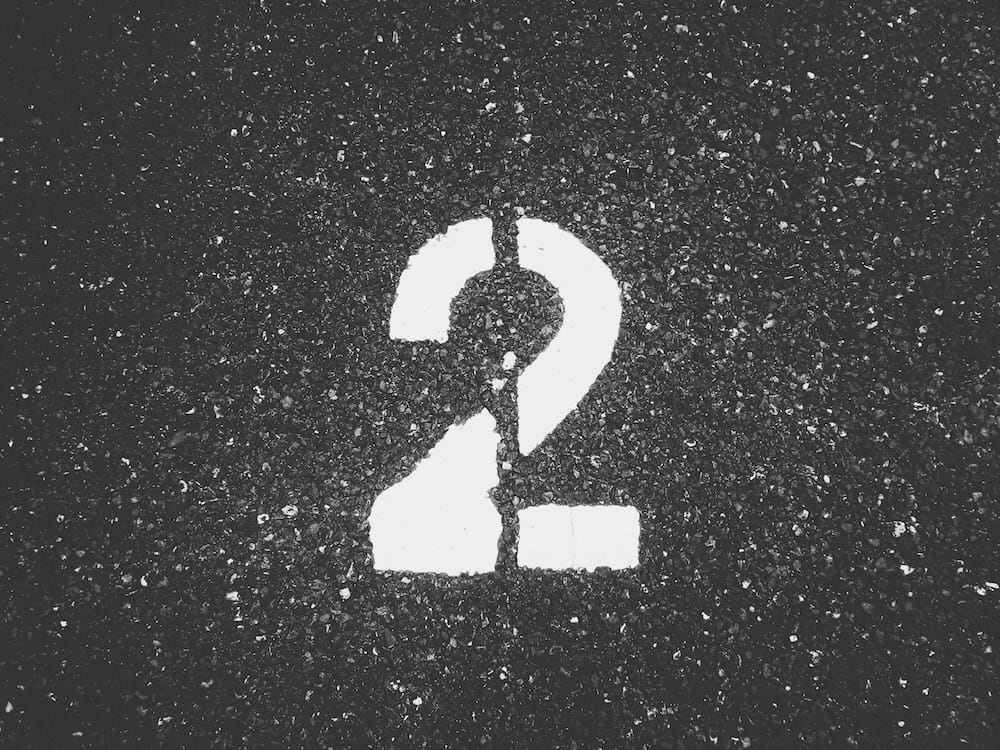
The french words “deux” (meaning “two”) and “de” (meaning “of”) sound different to a French ear. They are easy to confuse for a learner because they are short and share the letter “d.” But the way you say them is not the same. The difference is in the vowel sound.
“Deux” has a sound like the “uh” in the English word “burn,” but with the lips more rounded and pushed forward. It is a tense sound. You hold it for a moment. In the International Phonetic Alphabet, it is written as /dø/.
“De” has a weak, relaxed sound. It is like the final “e” in the English word “the” when you say “the apple.” It is a very short, neutral sound. You do not hold it. In the International Phonetic Alphabet, it is written as /də/.
The reason for the difference is that the vowels are from different places in the mouth. The vowel in “deux” is a front rounded vowel. The vowel in “de” is a schwa, which is the most neutral and relaxed vowel sound in French.
why the schwa exists
The word “de” is a preposition. It is a small, functional word. It does not carry stress. In French, many small words like this (prepositions, articles, pronouns) use the schwa sound because it is quick and easy. The word is often weakened in speech.
The number “deux” carries more meaning. It is a content word. It gets more stress and keeps its full, clear vowel sound.
pronunciation rules
The schwa in “de” can sometimes disappear completely in fast speech, especially before a vowel sound.
But “deux” never loses its vowel. It is always pronounced fully.
summary
“Deux” is a number with a tense, rounded vowel sound /ø/. “De” is a preposition with a relaxed, quick schwa sound /ə/. The small word “de” can lose its sound in fast speech. The number “deux” never does.