How to say “under” in French
Translating prepositions from one language to another can be a tricky task. One group of prepositions that often poses challenges in learning French is the one containing “under,” “underneath,” “below” and “beneath.”
“Sous”
The most common and straightforward translation for “under” in French is “sous.” This word is the primary equivalent of “under” and is used in many everyday situations. Here are a few examples:
- The book is under the table.
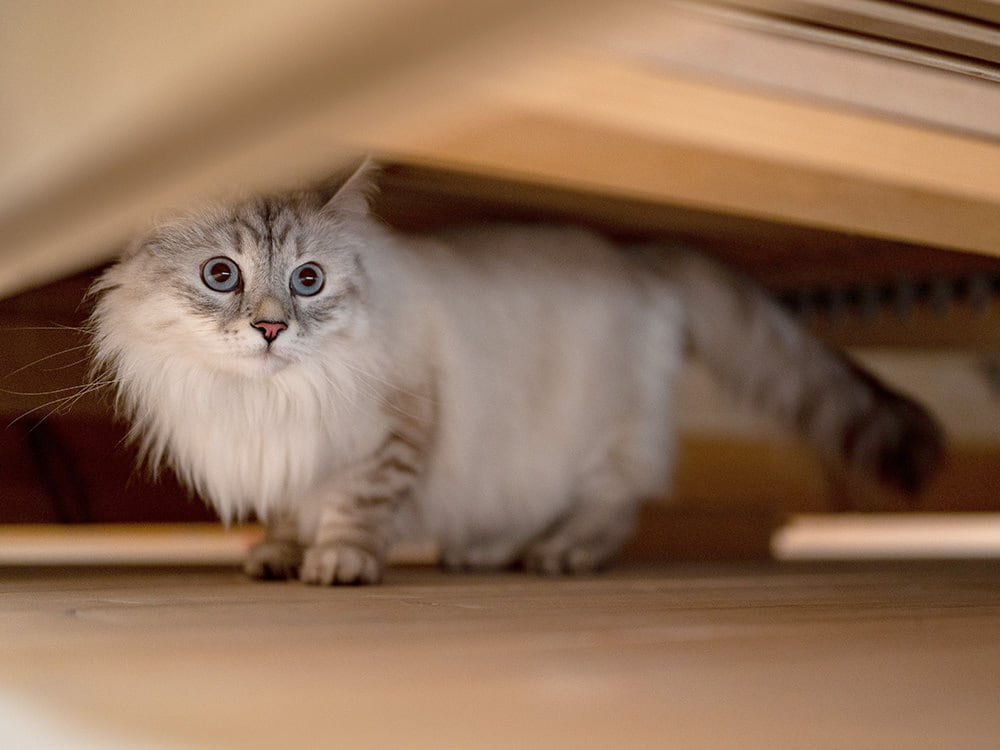
(Le livre est sous la table.) - The cat is hiding under the bed.
(Le chat se cache sous le lit.) - The keys are under the sofa.
(Les clés sont sous le canapé.)
“En dessous de”
In some cases, you may want to emphasize the idea of being “beneath” or “below.” In such instances, you can use the phrase “en dessous de.” This conveys a stronger sense of something being positioned lower or underneath. For example:
- The treasure chest is hidden beneath the sand.
(Le coffre au trésor est caché en dessous du sable.)
“Au-dessous de”
Similar to “en dessous de,” “au-dessous de” is another phrase that emphasizes the idea of being “below” or “beneath.” It is used when you want to be more precise about the location of something. For instance:
- The temperature is dropping below freezing.
(La température descend au-dessous de zéro.)
“En dessous” and “au-dessous”
In French, you can also use “en dessous” and “au-dessous” without “de” to convey the idea of “below” or “beneath.” This is particularly common in casual conversation, where you can omit the preposition “de.” For example:
- The keys are hidden below.
(Les clés sont cachées en dessous.)