|

pile

In French, the word “pile” can function either as an adverb or as a feminine noun. Each has its own meaning (or meanings) and usage. Both are pronounced like PEEL.

1. The Adverb “Pile”

As an adverb, “pile” conveys precision and exactness, often used to denote specific moments in time or precise measurements.

Usage Examples:

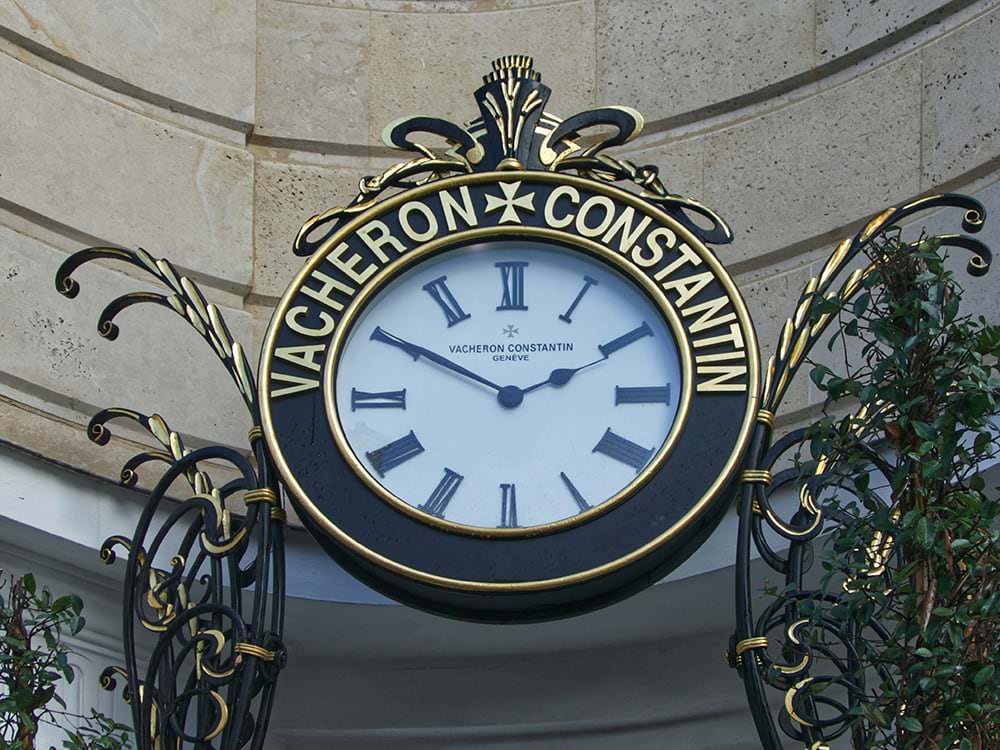
  • “Il est 14h pile.” (It’s exactly 2pm)
  • “Il est arrivé pile à l’heure.” (He arrived right on time.)
  • “La réponse était pile ce que je cherchais.” (The answer was exactly what I was looking for.)

2. The Feminine Noun “La Pile”

On the other hand, “la pile” refers to a battery, particularly the cylindrical type commonly used in electronic devices. It can also mean “tails” when talking about a coin toss. And it can also mean “pile” as in a heap or stack, although the word “un tas” is more frequently used instead.

Usage Examples:

  • “Je dois changer la pile de ma montre.” (I need to change the battery in my watch.)
  • “Il faut remplacer les piles du télécommande.” (We need to replace the batteries in the remote control.)
  • “Nous allons tirer à pile ou face.” (We’ll flip for it; heads or tails.)
  • “Il y a une pile de livres sur la table.” (There’s a pile of books on the table.)
Don’t miss new articles!

Get 1 email a week with new articles about French

We don’t spam! Read more in our privacy policy

Similar Posts

  • to happen

    There are few different ways of translating the verb “to happen” into French. You can use the French verbs “se passer,” “arriver” or “se produire.” Let’s look at some examples of each, in order of most frequent usage. se passer arriver se produire

  • se passer

    The French verb “se passer” means “to happen” or “to take place.” Conjugation in the Present Tense: “Se passer” is a reflexive verb, used impersonally with “il,” “ça” or “ils.” It is not used with other subjects such as je, tu, elle, etc. Conjugation in the Passé Composé: “Se passer” is a reflexive verb, used…

  • Avoir de la veine

    “Avoir de la veine” means to be lucky or to have luck. “Une veine” is a vein. So what is the connection between veins and luck? The term comes from the world of men who searched for gold, diamonds or other precious metals. These metals and diamonds are found in concentrations in rock called “veins.”…

  • Grammar: Irregular verbs

    Here are the 19 most important irregular verbs to know in French. They are important because they are very frequently used. They are also important to know because many exist in compound form (eg, venir is used in the compound forms revenir, devenir, prévenir, provenir, convenir, survenir and advenir, among others). Since these 19 verbs…

  • soit…soit

    In the French language, there’s a handy construction called “soit…soit.” This structure is used to present alternatives or choices. It’s a bit like saying “either…or” in English. Let’s delve into how it works and how you can use it effectively. The word “soit” means “either” or “whether” in English. When repeated, it emphasizes the choice…

Leave a Reply

Your email address will not be published. Required fields are marked *