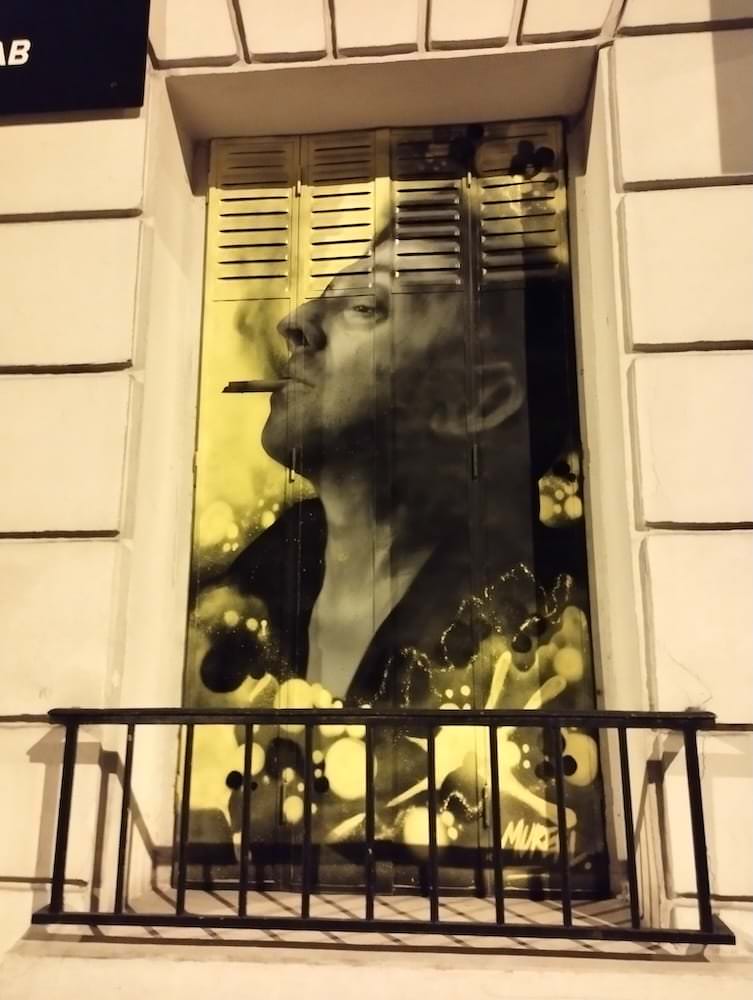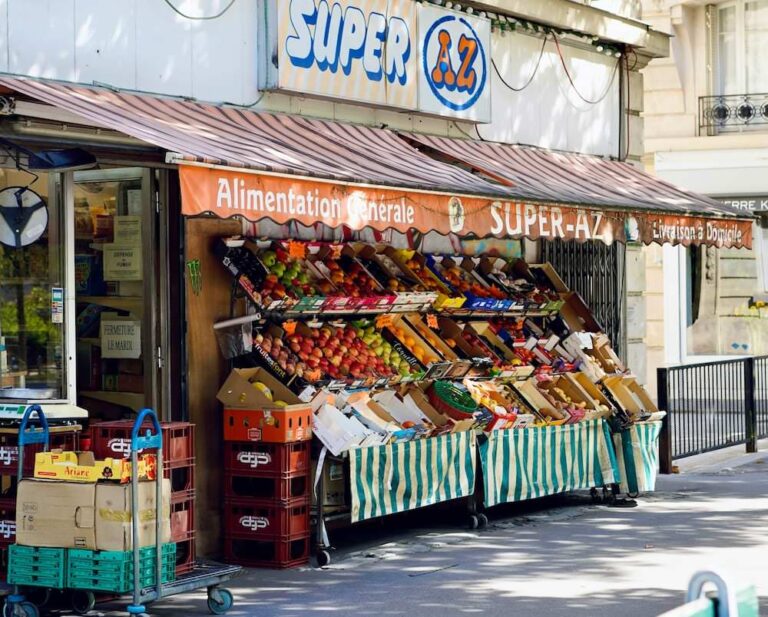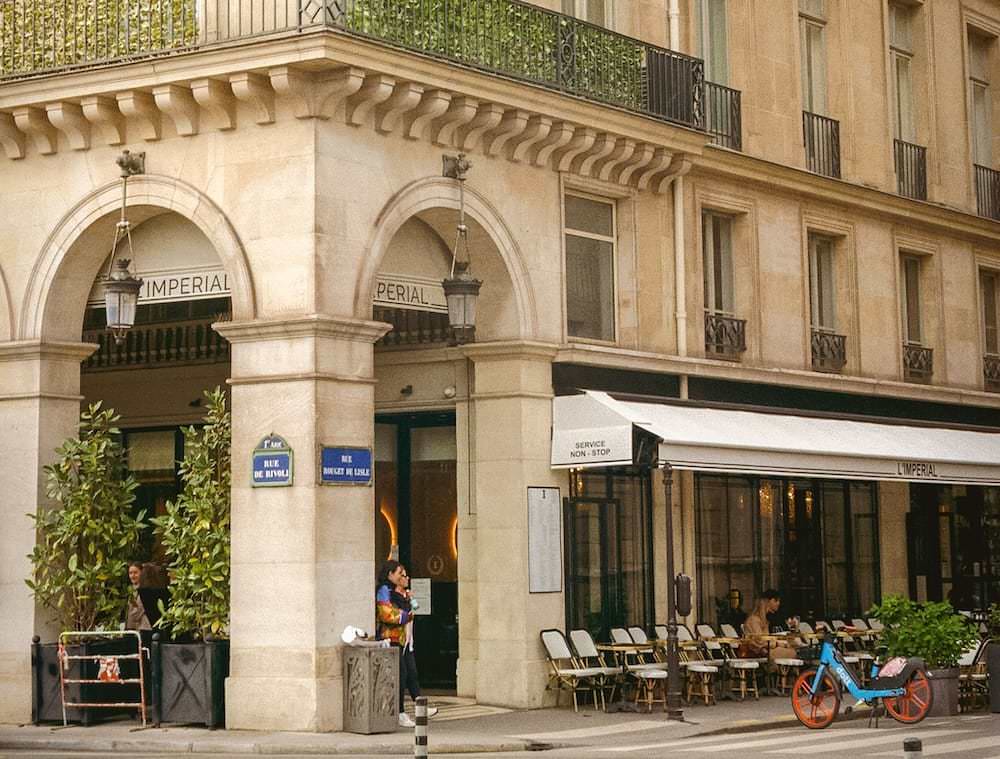
corner
English uses the word corner in several ways. It can mean the place where two walls meet, the point where two streets meet, the edge of a room, or a quiet or hidden spot. French does not rely on a single word for all these uses. The most common translations are le coin and l’angle. They overlap in some cases but often describe different things.
Le coin
Le coin is the most common word for corner in everyday speech. It usually refers to a place or spot, not to the geometric shape itself.
It often means a small area, edge of a room, street corner, or local area.
Common meanings
Corner of a room or object
Le coin is widely used for the corner of a room, table, or box.
Examples:
- Le chat dort dans le coin de la pièce. “The cat sleeps in the corner of the room.”
- Il s’assoit dans le coin de la salle. “He sits in the corner of the room.”
- Le coin de la table est abîmé. “The corner of the table is damaged.”
Street corner
French normally uses coin for the place where two streets meet.
Examples:
- Je t’attends au coin de la rue. “I wait for you at the corner of the street.”
- Le café est au coin de la rue. “The café is on the corner.”
Small area or part of a place
Coin can also mean a small part or area.
Examples:
- C’est un coin tranquille. “It is a quiet corner.”
- Je connais un bon coin pour nager. “I know a good spot for swimming.”
- Nous visitons un joli coin de France. “We visit a lovely part of France.”
Figurative uses
French uses coin in many expressions meaning a place or part of something.
Examples:
- Il connaît chaque coin de la ville. “He knows every corner of the city.”
- Il fouille chaque coin de la maison. “He searches every corner of the house.”
Related expressions
Common expressions with coin include:
- le coin de la rue “the street corner”
- un coin tranquille “a quiet corner”
- le coin du feu “the fireside corner”
L’angle
L’angle refers mainly to the angle or geometric corner formed when two lines or surfaces meet. It is more technical and more precise than coin.
It often describes the physical angle itself, rather than the place.
Geometric or physical angle
Examples:
- L’angle du mur est droit. “The angle of the wall is right.”
- Il mesure l’angle avec une règle. “He measures the angle with a ruler.”
Edge or corner of an object
In careful language, angle may refer to the sharp corner of an object.
Examples:
- L’angle de la table est dangereux. “The corner of the table is dangerous.”
- Il se cogne contre l’angle du mur. “He bumps into the corner of the wall.”
Street intersection
In formal or written language, angle can describe the point where two streets meet.
Examples:
- Le magasin est à l’angle de deux rues. “The shop is at the corner of two streets.”
- Il habite à l’angle de la rue Victor Hugo. “He lives at the corner of Victor Hugo Street.”
This usage is more formal than au coin de la rue.
Key difference between coin and angle
The main difference is conceptual.
Coin usually refers to the place or spot.
Angle refers to the geometric angle or the physical point where surfaces meet.
Examples:
- Je m’assois dans le coin de la pièce. “I sit in the corner of the room.”
- L’angle du mur est très aigu. “The angle of the wall is very sharp.”
In most everyday situations involving rooms or street corners, French speakers prefer coin.
Other related French expressions
French also uses several other words or phrases for specific kinds of corners or edges.
L’intersection
This word refers to the crossing point of roads or streets.
Examples:
- L’accident a lieu à l’intersection. “The accident takes place at the intersection.”
- La police bloque l’intersection. “The police block the intersection.”
Le carrefour
Carrefour means road junction or crossroads.
Examples:
- Le carrefour est très fréquenté. “The crossroads are very busy.”
- Tourne à gauche au carrefour. “Turn left at the crossroads.”
Le recoin
Recoin means a hidden corner or nook, often small or out of sight.
Examples:
- Le chat se cache dans un recoin. “The cat hides in a nook.”
- Il explore chaque recoin de la cave. “He explores every nook of the cellar.”
Summary
French uses several words where English uses corner.
The two main ones are:
- le coin, the most common word for a corner as a place or spot
- l’angle, the geometric corner or angle
Other related words include:
- l’intersection, a road crossing
- le carrefour, a junction or crossroads
- le recoin, a hidden or small corner
In everyday speech, coin is the word most often used for the corner of a room, a street corner, or a small area of a place.