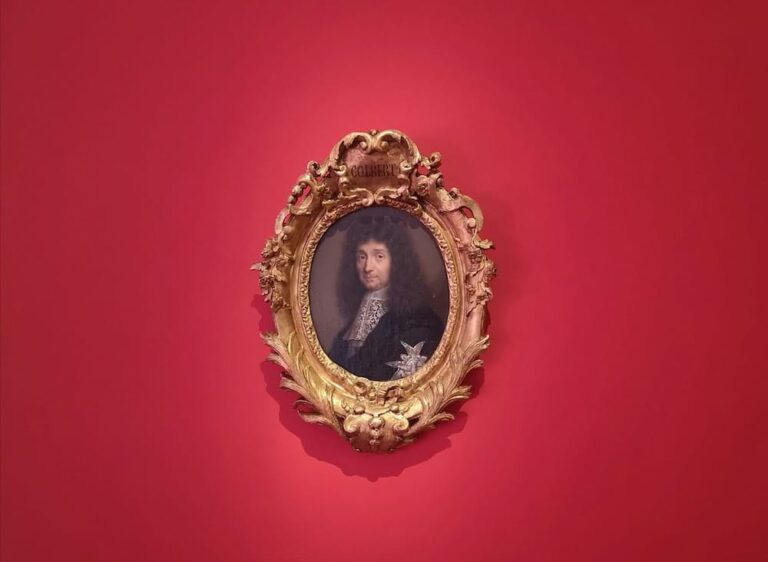
faire la mauvaise tête
The French phrase faire la mauvaise tête means to show your anger or bad mood by refusing to speak, cooperate, or be pleasant. It is about sulking. It is about being stubborn in your unhappiness. It is something children do. It is also something adults do, though they should know better.
The words are simple. Faire means to make or to do. La mauvaise tête means the bad head. The picture is of someone with a bad attitude stuck in their head. They put on a face that shows they are not happy. They shut down.
You use this phrase when someone is upset and they want you to know it, but they will not talk about it. They just sit there, quiet and angry. They are being difficult on purpose.
Usage examples
- Ne fais pas la mauvaise tête, ce n’est qu’un jeu.
“Don’t sulk, it’s only a game.” - Il a fait la mauvaise tête toute la soirée parce que je suis arrivé en retard.
“He sulked the whole evening because I arrived late.” - Pourquoi tu fais la mauvaise tête ? Dis-moi ce qui ne va pas.
“Why are you sulking? Tell me what is wrong.” - Elle a fait la mauvaise tête dans la cuisine après avoir cassé un plat.
“She sulked in the kitchen after breaking a dish.” - Arrête de faire la mauvaise tête et viens manger.
“Stop sulking and come eat.”
Synonyms and alternatives
The phrase is common. But there are other ways to say the same thing. Some are stronger. Some are softer.
- bouder
This is the most direct synonym. It means to sulk or to pout.- Il boude dans son coin. “He is sulking in his corner.”
- faire la tête
This is very close. It means to make or do the head. It is perhaps even more common than the full phrase.- Elle fait la tête parce que je ne veux pas aller au musée. “She is sulking because I do not want to go to the museum.”
- prendre la mouche
This means to take the fly. It means to get suddenly offended or upset over something small.- Il a pris la mouche quand j’ai critiqué sa chemise. “He got huffy when I criticized his shirt.”
- se vexer
This means to get offended or to take something personally.- Ne te vexe pas, ce n’était pas une insulte. “Do not get offended, it was not an insult.”
- être de mauvaise humeur
This means to be in a bad mood. It is more general and does not always include the stubborn silence.- Il est de mauvaise humeur ce matin. “He is in a bad mood this morning.”
- tirer la gueule (informal)
This is crude slang. It means to pull the face/mouth. It is like saying “to pull a long face.”- Arrête de tirer la gueule. “Stop pulling a long face.”
Summary
Faire la mauvaise tête is a fixed French expression for sulking or showing displeasure by being stubbornly silent or uncooperative. It is a common phrase for describing someone who is in a bad mood and wants others to know it without saying so directly.