a place
In French, there are multiple words to describe a location or place. Choosing the right word depends on the context, formality, and meaning.
1. Endroit (Masculine)
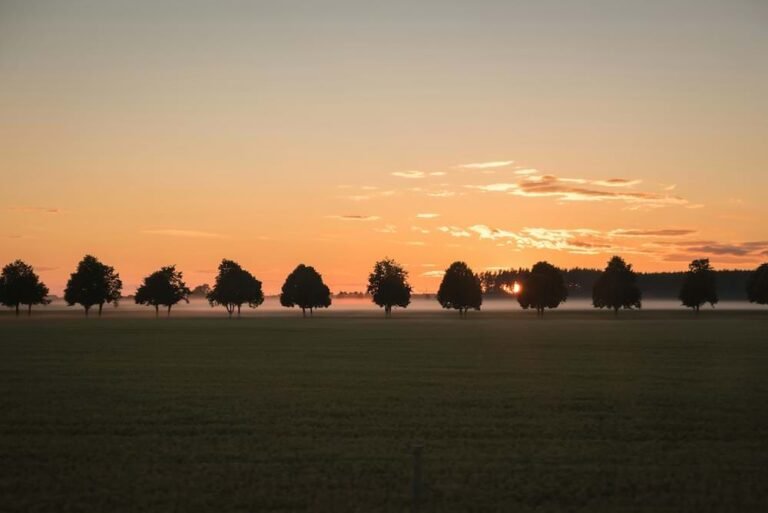
Endroit refers to a specific place in a general sense. It is commonly used in everyday speech and can describe a physical location without implying any formal designation.
- Nous avons trouvé un bel endroit pour pique-niquer.
(We found a beautiful place to have a picnic.) - Cet endroit est parfait pour se reposer.
(This place is perfect for resting.)
2. Lieu (Masculine)
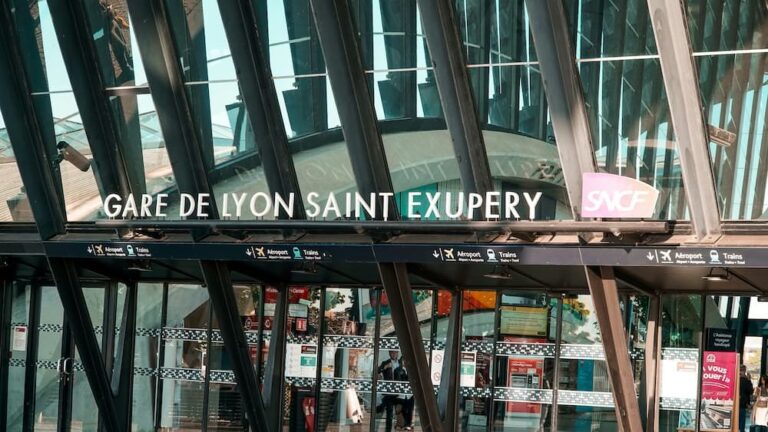
Lieu is more formal than endroit and often refers to a defined or official place, such as venues, historical sites, or locations of events.
- Le lieu du crime est encore sous enquête.
(The crime scene is still under investigation.) - C’est un lieu historique important.
(It’s an important historical site.)
The phrase avoir lieu is frequently used to mean “to take place”:
- Le concert aura lieu demain soir.
(The concert will take place tomorrow evening.)
3. Place (Feminine)
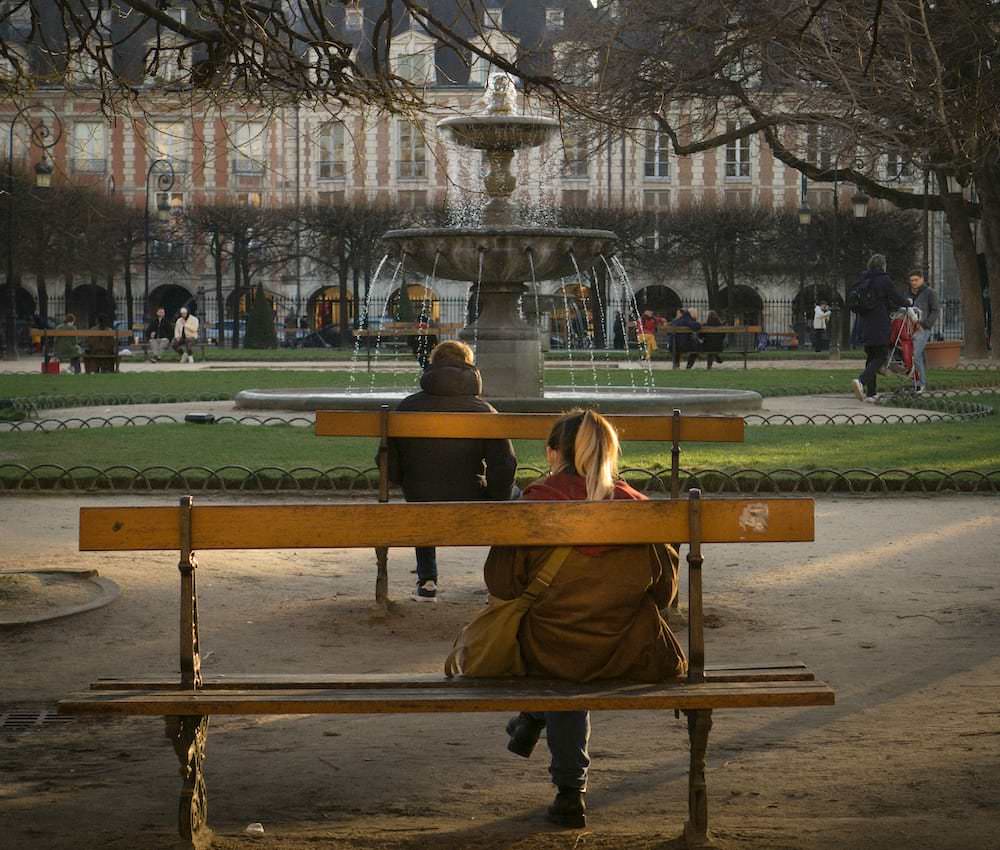
Place has multiple meanings, often referring to an open space, a seat, or a spot in a lineup.
- Nous nous sommes retrouvés sur la grande place du village.
(We met in the large village square.) - Il reste encore des places pour le spectacle ?
(Are there still seats available for the show?) - Garde-moi une place dans la file.
(Save me a spot in the line.)
4. Emplacement (Masculine)
Emplacement is a precise term often used in architectural or town planning contexts. It refers to the exact location of something, such as a parking spot, a campsite, or a business location.
- L’emplacement du nouvel hôtel est idéal.
(The location of the new hotel is ideal.) - Nous avons réservé un bon emplacement pour notre tente.
(We booked a good spot for our tent.)
5. Site (Masculine)
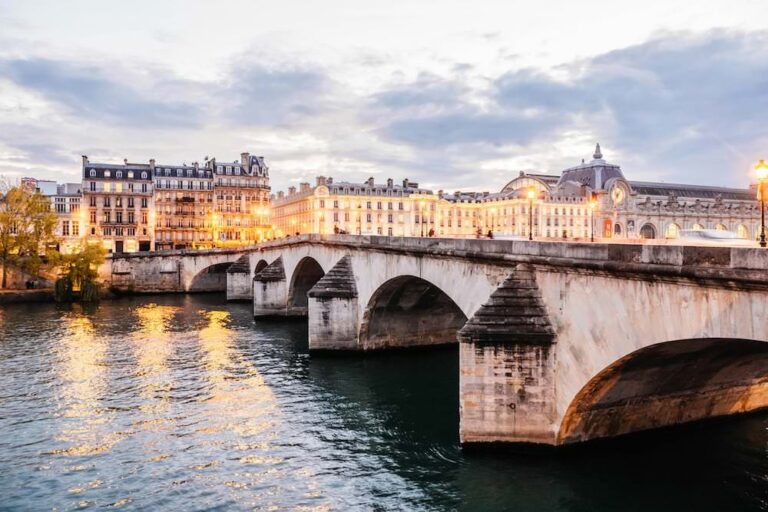
Site is used for specific locations, often with an emphasis on aesthetics, history, or tourism.
- Ce site est classé au patrimoine mondial de l’UNESCO.
(This site is listed as a UNESCO World Heritage site.) - Le site offre une vue magnifique sur la mer.
(The site offers a magnificent view of the sea.)
6. Coin (Masculine)
Coin literally means “corner,” but in informal speech, it can refer to a small, cozy place or a particular area.
- C’est un petit coin tranquille pour lire.
(It’s a quiet little spot for reading.) - Il habite dans un coin sympa de la ville.
(He lives in a nice part of town.)
Choosing the Right Word
- Use “endroit” for a general place in everyday speech.
- Use “lieu” for official locations or events.
- Use “place” for open spaces, seats, or designated spots.
- Use “emplacement” for exact locations, particularly in architecture.
- Use “site” for significant historical or aesthetic locations.
- Use “coin” for an informal or cozy area.