montrer patte blanche

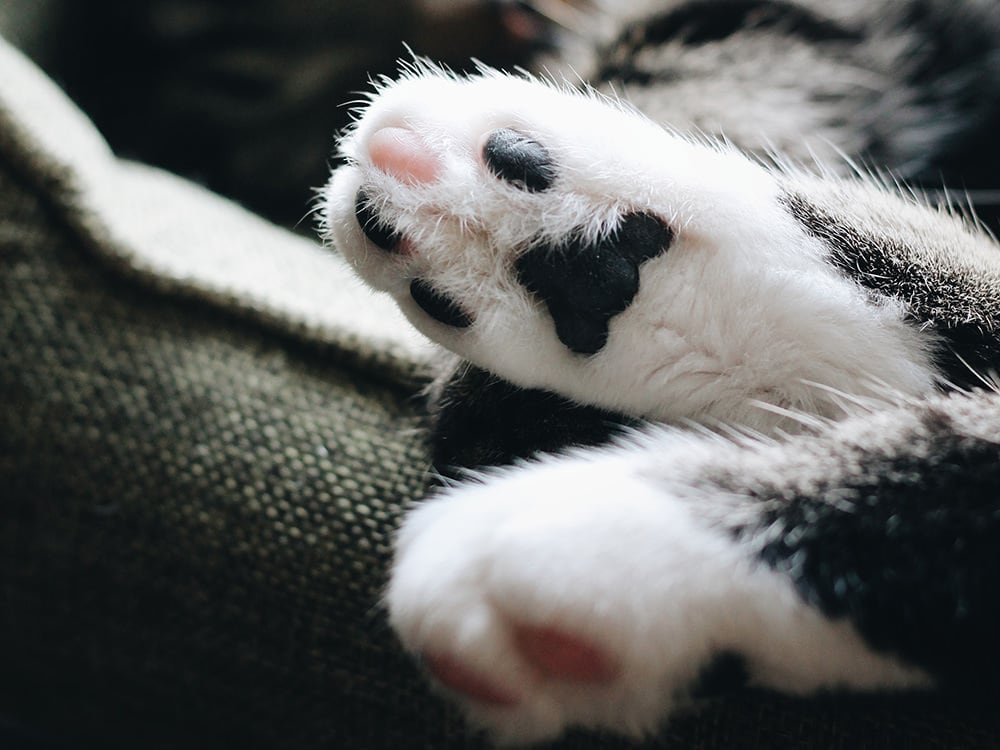
The French idiom “montrer patte blanche” translates literally as “to show white paw.” What it really means is “to prove your identity,” “to present authorisation to enter a place,” or “to be recommendable.”

This saying dates back to the time of Jean de La Fontaine. He was a poet and a writer of fables who lived in the mid 17th century.

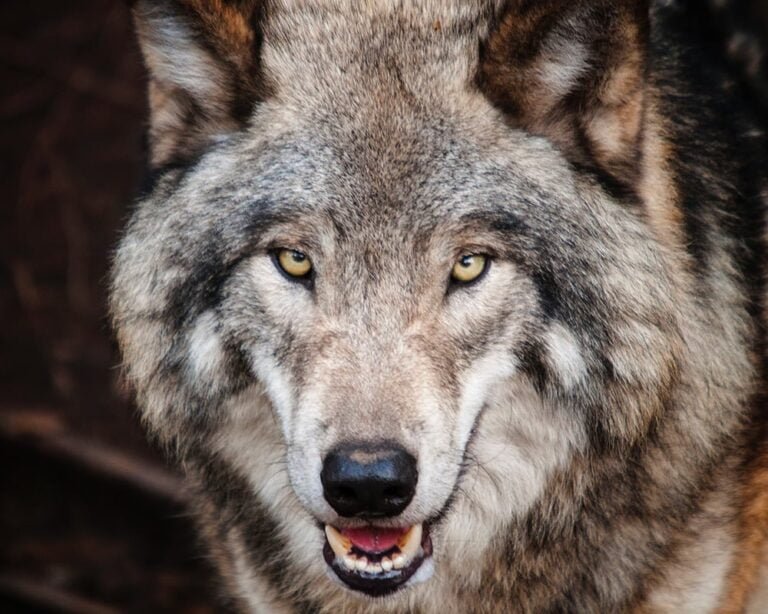
One of his fables was called “The wolf, the goat and the baby goat.” The baby goat, known as a kid, was left at home, alone, by its mother. The kid’s mother had white paws. The mother told the kid not to open the door to anyone who didn’t have white paws.

While the mother was out, a wolf came to the door. The kid asked the wolf to show its white paws. Being unable to do this, the wolf was angry and frustrated. But the kid remained safe.

There is no equivalent expression in English.
Don’t miss new articles!

Get 1 email a week with new articles about French

We don’t spam! Read more in our privacy policy

Similar Posts

  • mouche expressions

    The word “la mouche” means “the fly” in French. Here is a summary of French idiomatic expressions that use “mouche.” Faire mouche Literal meaning: To hit the flyFigurative meaning: To hit the target exactly; to be spot onOrigin: From archery or shooting. La mouche was the black center of the target.Example: Son commentaire a fait…

  • verb: toucher

    The French verb “toucher” has a few different meanings. Not all of them are obvious. It can mean “to touch,” “to hit,” “to affect,” “to be next to,” “to get,” “to receive,” or “to win.” “Le toucher” is also a masculine noun meaning “the touch” or “the sense of touch.” to touch to hit to…

  • Christmas

    The French word for Christmas is “Noël.” It is a masculine noun, but you don’t have to use the article “le” before it, in most situations. “Christmas time” is “la période de Noël.” If you want to say “at Christmas,” it is simply “à Noël.” To wish someone “Merry Christmas,” you say (or write) “Joyeux…

  • Thanking

    The way to say “thank you” in French involves words like “merci,” “remerciements” and “remercier.” Most people are familiar with “merci,” but may not have heard of the other two words. Merci “Merci” is either an exclamation or a masculine noun meaning “thanks” or “thank you.” Remerciements “Les remerciements” (masculine plural) is a noun meaning…