une bête de somme

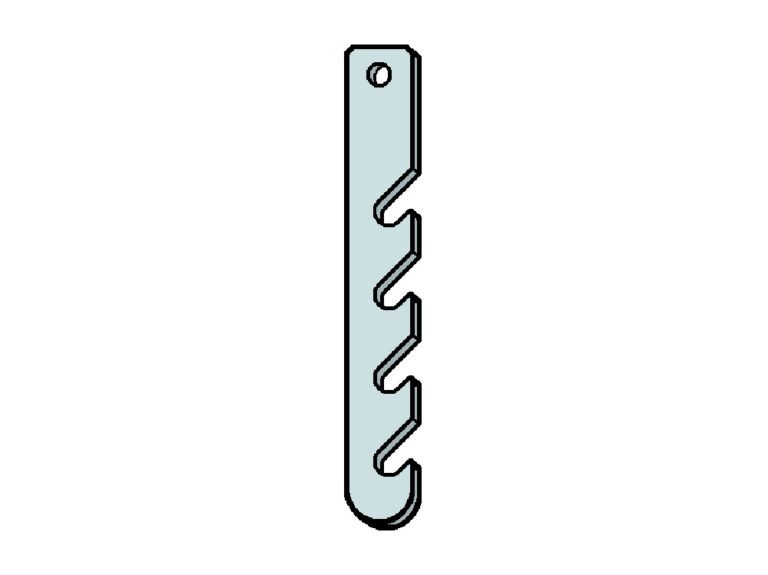
Une bête de somme means a workhorse or a beast of burden. Back in the 12th century, “une somme” meant the load that a horse or a mule could carry. Then, in the 16th century, the term “bête de somme” arrived. These days, the more common word for burden is “un fardeau,” but the term “bête de somme” survives in its original form.

Don’t miss out on new posts – subscribe now!

Don’t miss new articles!

Get 1 email a week with new articles about French

We don’t spam! Read more in our privacy policy

Similar Posts

  • être en train de

    In French, there is no direct equivalent to the English present continuous (“I am eating”) or past continuous (“I was eating”). Instead, French speakers use the construction “être en train de” + infinitive to emphasize that an action is (or was) in progress. This guide will cover how to use it in both the present…

  • Thanking

    The way to say “thank you” in French involves words like “merci,” “remerciements” and “remercier.” Most people are familiar with “merci,” but may not have heard of the other two words. Merci “Merci” is either an exclamation or a masculine noun meaning “thanks” or “thank you.” Remerciements “Les remerciements” (masculine plural) is a noun meaning…

  • verb: dessiner

    Meaning The primary meaning of the French verb “dessiner” is “to draw,” “to design,” “to map out,” “to outline,” “to depict” or even “to portray.” For example, “Il a su dessiner un tableau vivant de la scène.” Conjugation “Dessiner” is a regular “-er” verb, meaning it follows the typical conjugation patterns for this type of…

  • to happen

    There are few different ways of translating the verb “to happen” into French. You can use the French verbs “se passer,” “arriver” or “se produire.” Let’s look at some examples of each, in order of most frequent usage. se passer arriver se produire

  • faire le malin

    The French phrase “faire le malin” translates literally as “to make the clever (person),” but it really means “to show off,” “to play it smart,” “to try to be clever,” “to get cute,” or “to boast.” It can also mean “to con” or “to cheat.” Examples Expression A saying that is derived from this phrase…