débarrasser
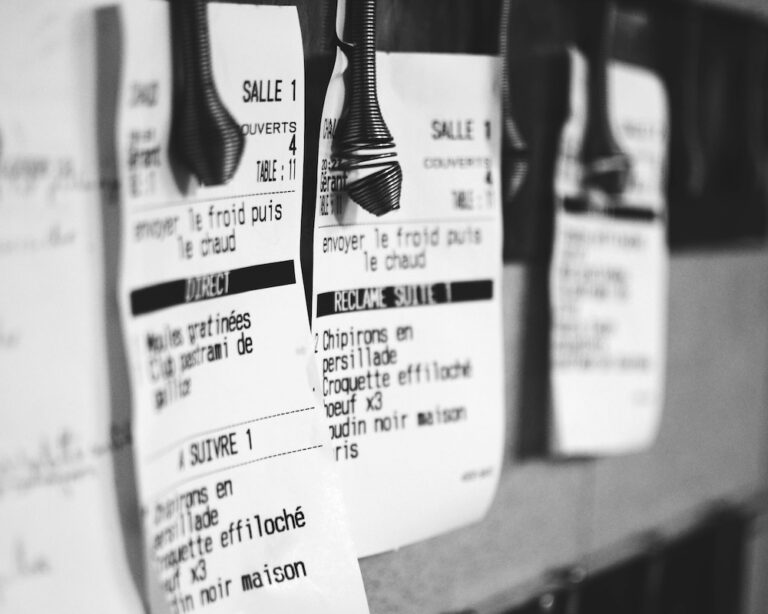
The verb “débarrasser” is a regular -er conjugation verb that means “to clear or remove what clutters or obstructs.” It is also used in its pronominal form, “se débarrasser”, which means “to get rid of.”
Meaning and Usage
- “Débarrasser” (transitive): means to clear or remove something from a surface or place.
- Can you clear the table, please? (remove plates, cutlery, etc.)
- You need to clear the desk of all this clutter. (remove what is obstructing it)
- “Se débarrasser de” (pronominal): means to rid oneself of something or someone.
- He is trying to get rid of his old belongings. (dispose of useless objects)
- She wants to get rid of this bad habit. (stop a habit)
- The king got rid of his political enemies. (eliminate troublesome people)
Conjugation of “Débarrasser”
The verb “débarrasser” follows the regular conjugation pattern of first-group verbs.
Present Tense:
| “Débarrasser” | “Se débarrasser” |
|---|---|
| je débarrasse | je me débarrasse |
| tu débarrasses | tu te débarrasses |
| il débarrasse | il se débarrasse |
| nous débarrassons | nous nous débarrassons |
| vous débarrassez | vous vous débarrassez |
| ils débarrassent | ils se débarrassent |
Past Tense (Passé Composé):
| “Débarrasser” | “Se débarrasser” |
|---|---|
| j’ai débarrassé | je me suis débarrassé |
| tu as débarrassé | tu t’es débarrassé |
| il a débarrassé | ils s’est débarrassé |
| nous avons débarrassé | nous nous sommes débarrassés |
| vous avez débarrassé | vous vous êtes débarrassés |
| ils ont débarrassé | ils se sont débarrassés |
⚠ Note: With “se débarrasser,” the past participle agrees with the subject in number and gender (e.g., We got of the the plates → Nous nous sommes débarrassés des assiettes; She got rid of her coat → Elle s’est débarrassée de son manteau, ).
Etymology
The verb “débarrasser” comes from Old French “desbarrasser”, derived from the prefix “des-“ (indicating removal) and “barras”, which meant “obstacle” or “barrier.” “Barras” itself has Occitan and Old French roots.
Common Expressions
- Se débarrasser d’un poids → To relieve oneself of a burden.
- Se débarrasser d’un intrus → To get rid of an unwanted person.
- Débarrasser le plancher (informal) → To leave quickly.