changer
Changer is a regular -er verb meaning “to change.” It covers most of the same ground as its English counterpart, including changing an object, changing one’s mind, changing clothes, changing trains, and changing as in becoming different over time. The verb takes a small spelling adjustment before a and o to keep the soft “j” sound, and it pairs with several different prepositions depending on what is being changed.
Spelling note
Because changer ends in -ger, an e is added before endings that start with a or o, so the “g” keeps its soft sound. This affects the nous form in the present tense and several forms in other tenses.
- Nous changeons – “we change” (not changons)
- Je changeais – “I was changing” (imperfect tense keeps the e throughout, since the ending starts with a)
Basic meaning: to change something
Used with a direct object, changer means to change, replace, or alter something.
- Je dois changer mes chaussures – “I have to change my shoes.”
- Il a changé la date de la réunion – “He changed the date of the meeting.”
- Nous allons changer le mot de passe – “We are going to change the password.”
- Elle change les draps chaque semaine – “She changes the sheets every week.”
- Ce restaurant change son menu tous les mois – “This restaurant changes its menu every month.”
To change, in a general or intransitive sense
Used without an object, changer means to change, alter, or become different, referring to the subject itself.
- Les temps changent – “Times are changing.”
- Elle a beaucoup changé depuis l’école – “She has changed a lot since school.”
- Le temps va changer ce week-end – “The weather is going to change this weekend.”
- Rien n’a changé ici – “Nothing has changed here.”
- Tout peut changer du jour au lendemain – “Everything can change overnight.”
Changer de + noun
This is one of the most common patterns with changer. When the sentence describes switching from one thing to another within a category, French uses changer de followed by the noun, with no article.
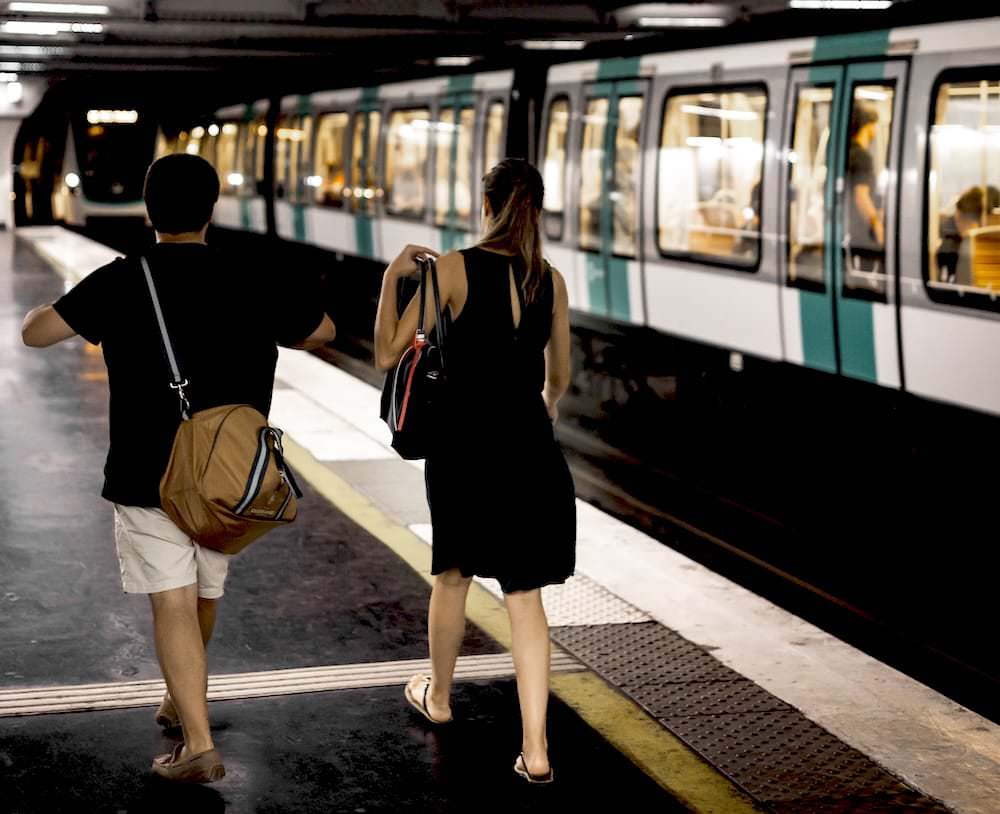
- Changer de train – “to change trains”
- Il faut changer de train à Lyon – “You have to change trains at Lyon.”
- Elle a changé de travail – “She changed jobs.”
- Nous avons changé d’avis – “We changed our minds.”
- Je vais changer de coiffure – “I am going to change my hairstyle.”
- Ils ont changé d’adresse – “They changed address.”
- Tu devrais changer de sujet – “You should change the subject.”
- Elle change souvent de téléphone – “She often changes phones.”
Note that de becomes d’ before a vowel sound, as in changer d’avis and changer d’adresse.
Changer en
Changer en means “to change into” or “to turn into,” describing a transformation from one thing into another.
- La grenouille s’est changée en prince – “The frog turned into a prince.”
- L’eau se change en glace à zéro degré – “Water turns into ice at zero degrees.”
- Le succès l’a changé en une autre personne – “Success turned him into a different person.”
Se changer: to get changed
The reflexive form se changer means to change one’s clothes.
- Je vais me changer avant de sortir – “I am going to get changed before going out.”
- Elle s’est changée en dix minutes – “She got changed in ten minutes.”
- Va te changer, tu es trempé – “Go and get changed, you are soaked.”
- Ils se sont changés après le match – “They got changed after the match.”
Changer pour
Changer pour means to swap or exchange one thing for another, often at a shop or when trading items.
- J’ai changé mon billet pour un aller plus tard – “I changed my ticket for a later one.”
- Elle a changé sa voiture pour un modèle plus récent – “She changed her car for a newer model.”
Common expressions with changer
- Changer d’avis – “to change one’s mind”
- Changer de vie – “to change one’s life”
- Changer de sujet – “to change the subject”
- Changer d’air – “to get a change of scenery” (literally “to change air”)
- Ça me changera les idées – “that will take my mind off things”
- Pour changer – “for a change”
- Ça change tout – “that changes everything”
- Ça ne change rien – “that changes nothing”
- Autant que ça change – “so much for that changing” (used ironically when nothing has changed)
Examples in full sentences:
- J’ai besoin de changer d’air – “I need a change of scenery.”
- On va au cinéma ce soir, pour changer – “We are going to the cinema tonight, for a change.”
- Ça change tout, maintenant que je sais la vérité – “That changes everything, now that I know the truth.”
- Une promenade te changera les idées – “A walk will take your mind off things.”
Changer conjugated in key tenses
Present tense:
- Je change – “I change”
- Tu changes – “you change”
- Il/elle change – “he/she changes”
- Nous changeons – “we change”
- Vous changez – “you change”
- Ils/elles changent – “they change”
Passé composé:
- J’ai changé – “I changed” or “I have changed”
- Elle a changé – “she changed”
Imperfect:
- Je changeais – “I was changing” or “I used to change”
- Nous changions – “we were changing”
Future:
- Je changerai – “I will change”
- Ils changeront – “they will change”
Changement: the related noun
The noun changement means “change” or “a change,” and often appears alongside the verb in everyday speech.
- Il y a eu un changement de programme – “There has been a change of plan.”
- C’est un grand changement pour elle – “That is a big change for her.”
- Le changement climatique – “climate change”
Summary
- Changer means “to change,” and it can be used with or without a direct object.
- Changer de plus a noun describes switching from one thing to another, such as changer de train or changer d’avis, and no article follows de.
- Changer en means “to turn into” or “to change into.”
- Se changer means to change one’s clothes.
- Changer pour means to swap one item for another.
- The related noun changement means “a change.”