l’oeil de Moscou

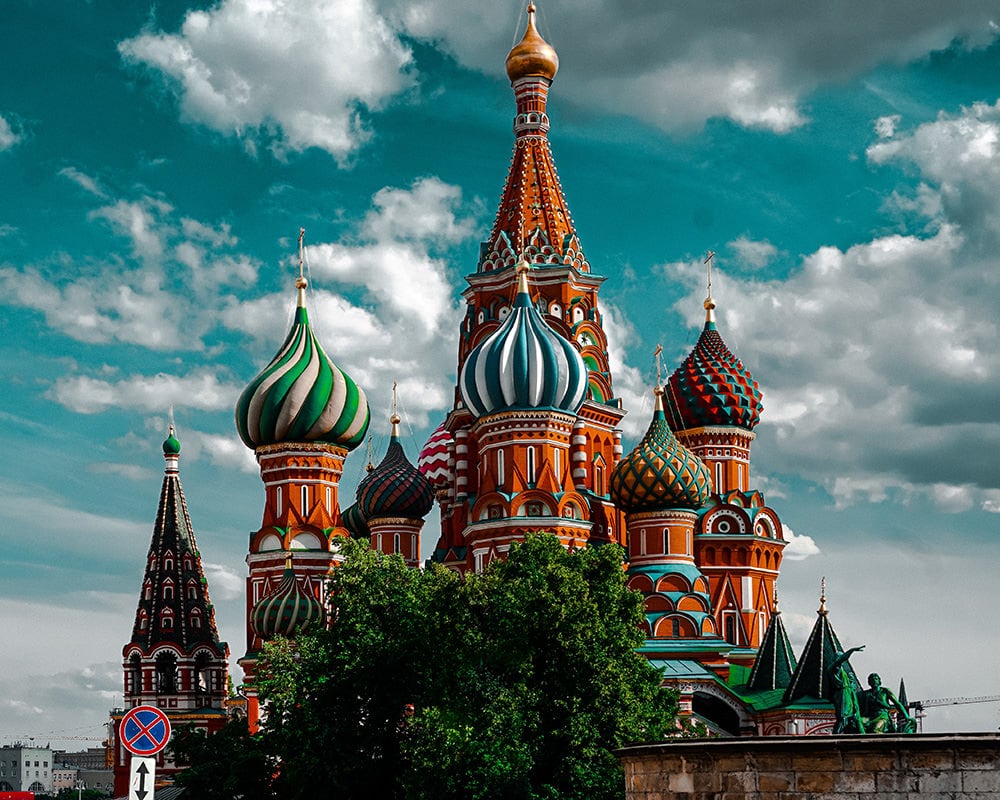
“L’oeil de Moscou” is a French idiom that literally means “the eye of Moscow.” It refers to an organisation or an individual who spies on other people for the benefit of others. It also refers to technical equipment used to spy on people.

It dates back to the era of the USSR, the Union of Soviet Socialist Republics. Inside the USSR, people were spied on by their government and by agents of their own government.

An equivalent English expression would be “Big Brother,” which is a term that comes from George Orwell’s novel “1984,” which is itself a critique of authoritarian (communist) regimes.

Don’t miss out on new posts – subscribe now!

Don’t miss new articles!

Get 1 email a week with new articles about French

We don’t spam! Read more in our privacy policy

Similar Posts

  • à bâtons rompus

    This phrase means “without continuity,” “with frequent interruptions,” “in a disordered fashion,” “informal,” or “in an irregular way.” The origins of this French expression are shrouded in mystery. Some believe it comes from a traditional tapestry design that contained an irregular mix of sticks or long, thin rectangular shapes. It is more likely that this…

  • un coup

    The French noun “un coup” is versatile and widely used in various contexts. It can mean “a blow” or “a stroke,” but its meanings extend far beyond these basic definitions. Basic Meanings Idiomatic Expressions “Un coup” appears in many idiomatic expressions, each with its own unique meaning. Here are some common ones:

  • faire long feu

    The French idiom “faire long feu” literally translates as “to make long fire.” What it really means is “to drag on,” “to not have the desired effect,” “to last longer than expected” or “to miss your goal.” It comes from the era of of muzzle-loading rifles, before the invention of waterproof cartridges that enclosed the…

  • que dalle

    “que dalle” is a French saying that means “nothing” or “nothing at all.” In modern French, “une dalle” is a paving stone, but this has nothing to do with “que dalle.” The origins of this expression are unclear, with a few theories in existence. One is that it comes from the word for a five franc…

  • Franchir le Rubicon

    “Franchir le Rubicon” means to cross the Rubicon. It means to take a decisive and irreversible step, to take a decision and accept all its consequences, to make an irreversible choice, or to take an irrevocable decision. The Rubicon is a river that in 49 BC separated Gaul from the Roman Empire. Julius Caesar, the great…

  • la mode, le mode

    “Mode” is a French noun that can either be masculine or feminine. Its meaning changes depending on whether it is the masculine version of the noun or the feminine version. In its masculine form, it means “mode” or “way.” In the feminine, it means “fashion.” So you can remember the difference by remembering that women…