il pleut bergère
The French saying “il pleut bergère” is actually the first line of a well-known traditional French song, “Il pleut, il pleut, bergère” (It’s raining, it’s raining, shepherdess). While it simply translates to “it’s raining, shepherdess,” the song itself has a fascinating and much deeper historical context.
The Story Behind the Song
The lyrics were written in 1780 by the French dramatist and revolutionary Fabre d’Églantine, with music by Louis-Victor Simon . It comes from a one-act comic opera called Laure et Pétrarque .
The song became highly popular around the time of the French Revolution. The “shepherdess” (la bergère) is widely believed to be a reference to Queen Marie Antoinette, who famously played at being a shepherdess in a mock village, the Hameau de la Reine, built on the grounds of the Palace of Versailles . The “rain” and “storm” mentioned in the lyrics are thought to be a metaphor for the political turmoil and the coming revolution that would eventually consume the monarchy .
The song’s revolutionary connections don’t end there:
- It was reportedly sung on July 15, 1789, the day after the storming of the Bastille, to celebrate the creation of the new National Guard .
- In a striking historical irony, its author, Fabre d’Églantine, was himself a victim of the Revolution. Legend has it that he hummed the song on his way to the guillotine in 1794 .
The Meaning of the Lyrics
Today, the song is often considered a nursery rhyme, but its original full text is not entirely innocent. The story follows a young man who invites a shepherdess to take shelter from the storm in his family’s home .
The first verse is an urgent invitation:
Il pleut, il pleut, bergère,
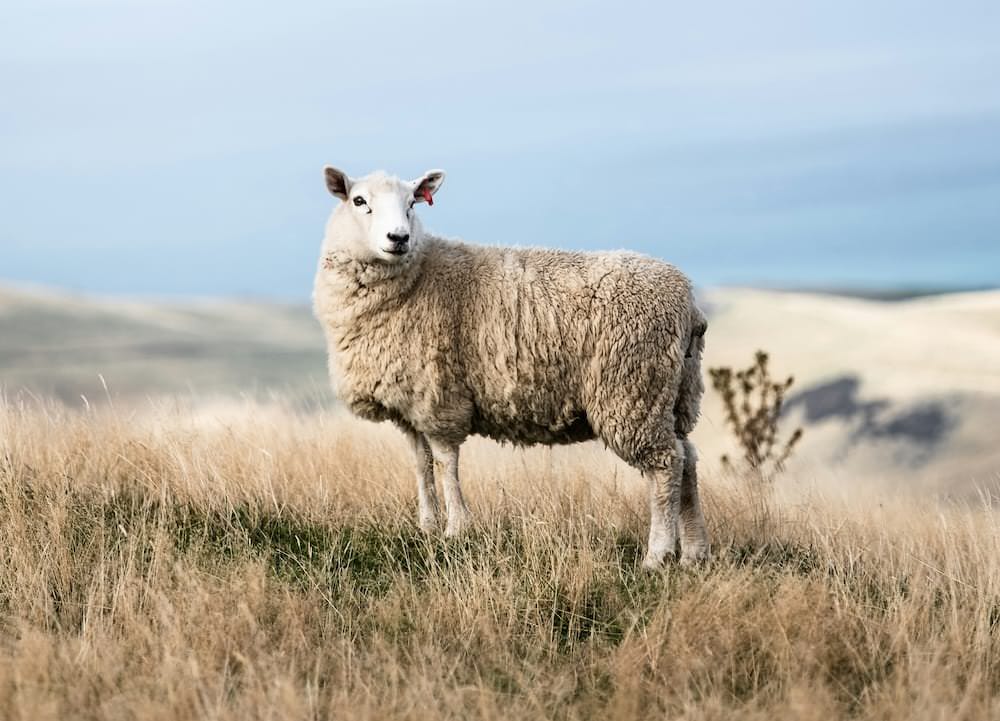
Rentre tes blancs moutons,
Allons sous ma chaumière,
Bergère, vite, allons !
(It’s raining, it’s raining, shepherdess, / Bring in your white sheep, / Let’s go into my cottage, / Shepherdess, quick, let’s go!)
The song continues with the couple arriving, being welcomed by his family, and the young man’s clear, romantic intentions becoming apparent. In the final verse, he declares his love and his plan to ask for her hand in marriage :
…Ne rougis pas, bergère,
Ma mère et moi demain
Nous irons chez ton père
Lui demander ta main.
(Do not blush, shepherdess, / My mother and I tomorrow / We’ll go to your father / To ask for your hand.)
It’s a story of courtship and marriage, layered with the dramatic political metaphors of its time.
So, while “il pleut bergère” might simply mean “it’s raining, shepherdess,” when used in the context of this song, it refers to a piece of French history that is far more than a simple weather report. It connects a Queen’s whimsical folly, a poet’s revolutionary spirit, and the oncoming storm of a nation’s upheaval.