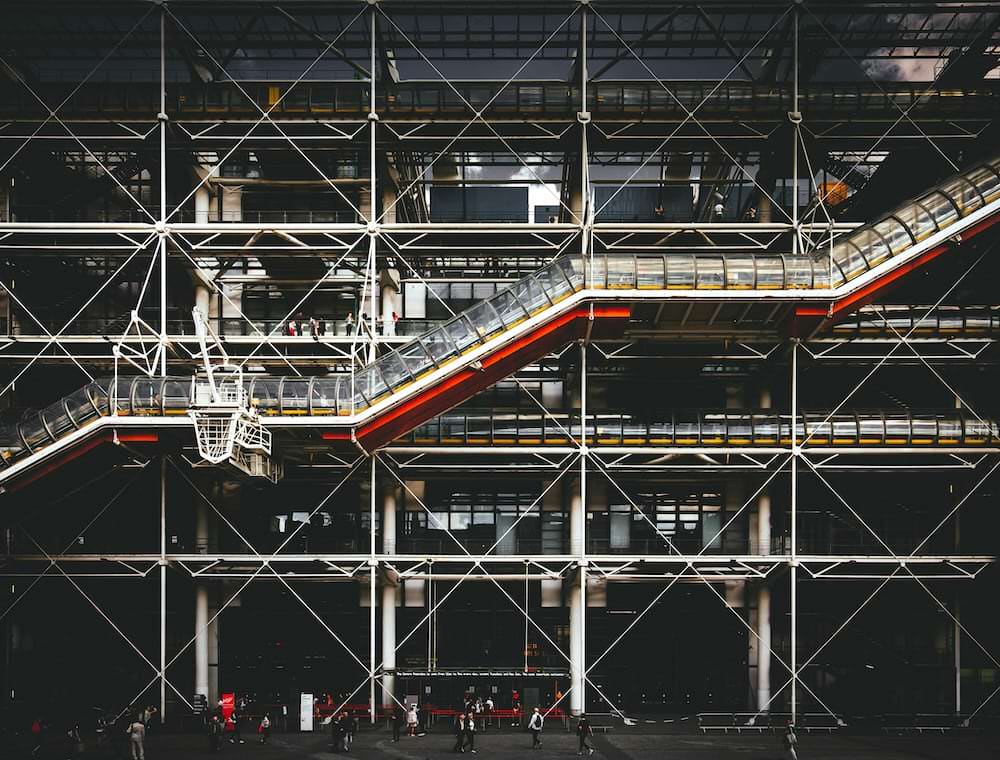
archi
The word “archi” is used in French as a prefix to intensify the meaning of an adjective (and also nouns and other adjectives), much like “super,” “mega,” or “uber” in English. However, it’s important to understand the contexts in which it’s used.
1. Common and Colloquial Use
In informal, spoken French, “archi-” is extremely common and used for emphasis. It means “extremely,” “totally,” or “overly.”
- C’est archi-facile ! – It’s super easy!
- Il est archi-connu, ce film. – That film is super well-known.
- Je suis archi-fatigué. – I’m dead tired. / I’m super tired.
- La salle était archi-comble. – The room was packed to the rafters.
In this context, it’s very similar to “super” or “hyper.” It’s part of modern, casual speech.
2. “Faux Amis” Alert: Not for People
A key difference from English is that you generally cannot use “archi” before an adjective describing a person’s character or temporary state in the same way you use “arch” in English.
- Incorrect:
Il est archi-méchant.(To mean “He is arch-evil.”) - Incorrect:
Une archi-criminelle.(To mean “An arch-criminal.”)
In these cases, “archi” is not understood as an intensifier for the adjective (méchant, criminelle). Instead, it’s interpreted as the prefix for the noun related to architecture, which creates confusion.
3. The Literal Meaning: “Chief” or “Principal”
This is the original and formal meaning of the prefix “archi-“, derived from Greek, meaning “chief,” “principal,” or “first.” It’s used in a more learned or technical vocabulary.
- L’archi-enemi – The arch-enemy
- L’archi-tecte – The chief/head builder (the literal root of “architect”)
- Un archi-duché – An archduchy
- L’archi-pretre – The archpriest
In these compound words, “archi-” is not a modifier you can freely detach; it’s an integral part of the word.
4. As a Noun (L’archi)
In very modern and professional slang, “archi” is also used as a standalone noun, short for “architecture.”
- Il étudie l’archi. – He’s studying architecture.
- Je travaille dans l’archi. – I work in architecture.
Summary Table
| Context | Meaning | Example | Register |
|---|---|---|---|
| Colloquial Modifier | Super, mega, extremely | C’est archi-cher. (It’s super expensive.) | Informal, Spoken |
| Learned/Fixed Prefix | Chief, principal | L’archi-enemi (The arch-enemy) | Formal, Literary |
| Standalone Noun | Architecture | Son projet d’archi. (His architecture project.) | Very Informal, Professional Slang |
Conclusion
So, “archi” is absolutely used in French to modify adjectives, but primarily in informal speech to mean “super” or “extremely.”
Just remember the key exception: avoid using it to modify adjectives describing a person’s character (like méchant, gentil, intelligent), as it won’t be understood correctly and might sound strange. For those, stick with more standard intensifiers like très, vraiment, or super (which is very versatile in informal French).